How Much Sunlight Do Butterfly weed Need?
1
Butterfly weed flourishes optimally with a minimum of 6 hours of direct sun each day.
2
Excessive shade may impede its beautiful bloom development.
3
Employing reflective ground cover can aid in boosting its sun exposure.
The Importance of Sunlight for Butterfly Weed
Photosynthesis and Development
Sunlight is vital for photosynthesis, the process where Butterfly weed transforms light, water, and carbon dioxide into energy. This energy supports the plant's development, fostering robust roots, stems, and foliage. Without adequate sunlight, the overall health of Butterfly weed would significantly decline, leading to weak and underdeveloped plants.
Blossom Production
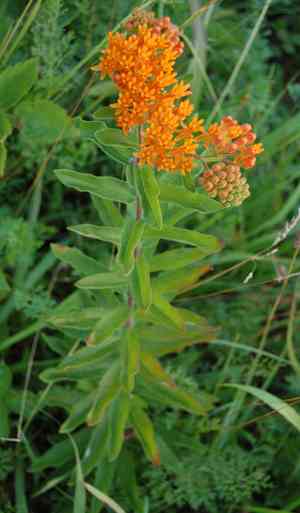
Beyond growth, sunlight directly influences Butterfly weed's flowering. Sufficient sunlight ensures this plant yields vibrant and abundant clusters of bright orange blooms. Insufficient light can result in fewer and less vivid flowers, reducing its aesthetic appeal and its role in attracting butterflies and other pollinators.
Optimal Sunlight Conditions for Butterfly Weed
Full Sun Requirements
Butterfly weed thrives best in full sun. This means it needs at least 6 to 8 hours of direct sunlight daily. Full sun exposure guarantees the plant receives the necessary energy for photosynthesis and peak flower production.
Partial Shade Tolerance
While Butterfly weed prefers full sun, it can endure partial shade. However, placing it in an area receiving less than 6 hours of sunlight per day might affect its blooming capacity and general well-being. Therefore, it's crucial to aim for locations that offer mostly sunny conditions throughout the day.
Daily Sunlight Needs for Butterfly Weed
Minimum Hours of Sunlight
For healthy growth and vibrant blossoms, Butterfly weed requires a minimum of 6 hours of direct sunlight daily. Anything less could hinder its development, resulting in weaker plants and fewer flowers.
Best Time for Sun Exposure
The ideal time for Butterfly weed to receive sunlight is during the morning and early afternoon. This period provides optimal light intensity, crucial for photosynthesis. Afternoon sunlight can be more intense, especially in summer, so some light shade in the late afternoon can help prevent excessive heat stress.
How to Ensure Proper Sunlight for Butterfly Weed
Choosing the Best Planting Spot
Select a garden location that receives ample sunlight throughout the day. Open areas free from shade cast by tall structures, trees, or shrubs are perfect. This will ensure your Butterfly weed gets the full sunlight it requires.
Pruning and Spacing Strategies
Proper spacing and occasional pruning can help maximize sunlight exposure for Butterfly weed. Ensure each plant has enough room, approximately 30 to 60 cm (12 to 24 inches) apart, to prevent overcrowding. Trimming nearby bushes or trees that create shadows can also improve light penetration.
Using Reflective Mulch
Reflective mulch is an excellent way to increase the amount of light your Butterfly weed receives. This type of mulch bounces sunlight onto the plant, boosting its exposure. It's especially useful in gardens where full sun is limited.
Common Sunlight-Related Issues with Butterfly Weed
Signs of Excessive Sunlight
While Butterfly weed loves the sun, too much intense sunlight can lead to leaf scorching and wilting, particularly in extremely hot weather. You'll notice browning of the leaf edges and an overall droopy appearance.
Symptoms of Insufficient Sunlight
When Butterfly weed doesn't receive enough sunlight, it exhibits slow growth, fewer blooms, and pale, weakened leaves. The plant may also become leggy, stretching towards available light sources.
Solutions for Sunlight Problems
If your Butterfly weed is getting too much sunlight, consider providing light shade during the hottest part of the day. For insufficient sunlight, relocate the plant to a sunnier spot or prune surrounding vegetation that may be casting shadows.
Seasonal Sunlight Considerations for Butterfly Weed
Managing Sunlight Across Seasons
Butterfly weed's sunlight needs vary slightly with the seasons. In spring and summer, ensure it gets the full amount of direct sunlight. As daylight shortens in fall and winter, monitor its exposure and adjust as needed.
Winter Care Advice
During winter, Butterfly weed enters dormancy, so its sunlight needs decrease. However, if it's an unusually sunny winter day, the plant can still benefit from some light. Ensure its location receives as much light as possible during the shorter days.
Summer Protection Methods
In the heat of summer, Butterfly weed may benefit from some afternoon shade to prevent excessive heat stress. Using a lightweight shade cloth during particularly hot spells can help mitigate potential damage.



