How Much Sunlight Do British columbia wild ginger Need?
1
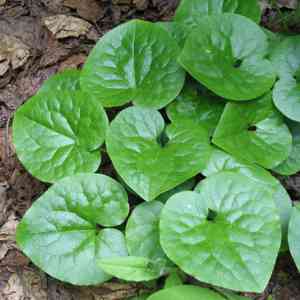
British Columbia wild ginger flourishes optimally in dappled light, getting approximately 3-6 hours of sun each day.
2
Intense sun exposure can burn the foliage of British Columbia wild ginger, thus providing shaded environments is crucial.
3
British Columbia wild ginger is able to withstand complete shade, making it an ideal choice for forested garden areas.
What are the Light Requirements for British columbia wild ginger?
Optimal Light Conditions
To ensure your British columbia wild ginger flourishes, understanding its light needs is crucial. This plant thrives in partial shade, meaning it should receive approximately 3-6 hours of daylight daily. Morning or late afternoon light is often best, as it's less intense and less likely to harm the plant.
Partial Shade Preference
Partial shade is the ideal environment for British columbia wild ginger. This light level promotes vigorous growth, keeping the plant vibrant and full. If your garden gets too much sun, consider placing your wild ginger where it benefits from natural shade from trees or taller plants.
Avoiding Direct Sun Exposure
Direct sun can damage British columbia wild ginger leaves, causing them to droop or scorch. To prevent this, ensure your plant is protected from the sun's full intensity. Using garden screens or planting it in naturally shaded areas can help shield it from excessive light.
How to Place British columbia wild ginger in Your Garden?
Selecting the Correct Location
When placing British columbia wild ginger in your garden, choose a spot that receives filtered sunlight. Ideal locations include areas beneath tree canopies or next to taller shrubs that offer natural shade throughout the day. This placement helps shield the plant from too much direct sun and maintains cooler soil temperatures, which benefits its roots.
Compatibility with Other Flora
British columbia wild ginger pairs well with other shade-loving plants such as ferns, hostas, and woodland flowers. This plant coexists effectively in shared habitats where it can benefit from the mutual shade provided by its companions. This compatibility also aids in creating a lush, green ground cover that enhances your garden's appeal.
Impact on Development and Vitality
Proper placement significantly affects the growth and health of British columbia wild ginger. When situated in an optimal location, the plant grows robustly, displaying vibrant green foliage and healthy root systems. Conversely, incorrect placement, such as too much sun exposure, can hinder its growth and increase its susceptibility to diseases.
What Happens if British columbia wild ginger Receives Too Much or Too Little Light?
Indicators of Excessive Light
Exposing British columbia wild ginger to too much light can lead to various stress signals. Look for scorched leaves, particularly edges turning brown and brittle. The plant might also appear wilted and weak despite consistent watering.
Symptoms of Insufficient Light
Conversely, inadequate light can also negatively impact the plant's well-being. Symptoms include elongated growth where the plant stretches towards available light, resulting in weak and thin stems. The leaves might lose their vivid green color, becoming pale as a sign of poor health.
Corrective Measures
If you observe your British columbia wild ginger suffering from either too much or too little light, it's crucial to act promptly. For excess light, consider moving the plant to a more shaded spot or providing artificial shade. In cases of insufficient light, try relocating it to a brighter area where it can receive those essential 3-6 hours of indirect sunlight.



