How Much Sunlight Do Dutchman's pipe Need?
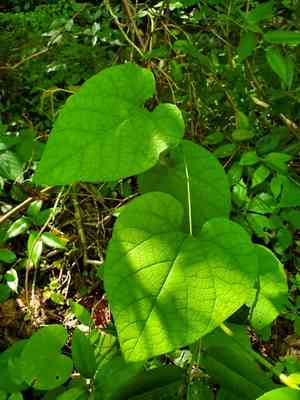
1
Dutchman's pipe flourishes with moderate sun exposure, around 3-6 hours of direct light each day.
2
Too much direct sun may lead to burned leaves and drying out.
3
Utilizing light meters assists in providing your Dutchman's pipe with optimal light levels.
Optimal Illumination for Dutchman's Pipe
Ideal Light Exposure
The Dutchman's pipe, recognized for its distinctive pipe-shaped blooms, thrives with approximately 3-6 hours of daily sunlight, which is considered partial sun. This plant is versatile and can endure various light levels, making it a great option for gardens with diverse lighting.
Morning vs. Afternoon Light
Morning light is typically milder and preferred for Dutchman's pipe. It delivers the necessary light intensity without the harshness of afternoon sun, which can be too strong and cause scorching. Positioning the plant where it gets morning light and shade during the hottest parts of the day can encourage healthier development.
Light Intensity Levels
The strength of the light is vital for Dutchman's pipe. While it performs well in partial sunlight, full sun exposure can lead to leaf burn, and complete shade can hinder its growth. Thus, balanced light intensity, such as filtered sunlight or a mix of direct and indirect light, ensures robust and healthy foliage.
Impact of Insufficient Light on Dutchman's Pipe
Indicators of Low Light Stress
If your Dutchman's pipe isn't receiving enough sunlight, you'll observe signs of low light stress. Symptoms include elongated, weak stems as the plant reaches for the nearest light source, and its overall growth can appear thin and delicate.
Growth Impairment
Inadequate sunlight can significantly impede the growth of Dutchman's pipe, resulting in stunted development. The plant may struggle to produce its characteristic pipe-shaped flowers, diminishing its visual appeal in your garden.
Leaf Discoloration and Shedding
A clear sign of insufficient sunlight is the discoloration or yellowing of leaves, followed by leaf drop. The foliage might lose its vibrant green color, turning pale or yellowish, indicating that the plant isn't photosynthesizing effectively.
Impact of Excessive Light on Dutchman's Pipe
Sunburn and Leaf Damage
Too much sunlight can cause sunburn and leaf scorch in Dutchman's pipe. You might notice brown spots on the leaves where the sun's rays are most intense. These damaged areas can significantly affect the plant's appearance and vitality.
Dehydration Symptoms
Excessive direct sunlight can also lead to dehydration, evidenced by wilting, and dry, brittle leaves. The plant may struggle to retain moisture, leading to broader health issues if not addressed promptly.
Potential Solutions
To counteract excessive sunlight, consider moving your Dutchman's pipe to a more shaded location or employing shading techniques like garden netting or planting beneath larger, overarching plants. Consistent watering can also help alleviate the effects of dehydration.
Selecting the Optimal Location for Your Dutchman's Pipe
Indoor vs. Outdoor Placement
When choosing between indoor and outdoor placement, evaluate the lighting conditions each environment provides. Outdoors, select a spot with partial sun, while indoors, a bright room with indirect sunlight is ideal for Dutchman's pipe.
Seasonal Light Adjustments
Modifying light exposure throughout the seasons is crucial. In winter, move the plant closer to windows for increased light, and in summer, shield it from the harsh midday sun to prevent leaf scorch.
Utilizing Artificial Light Sources
If natural light is insufficient, especially indoors, employing artificial light sources like grow lights can be beneficial. Position grow lights approximately 30-60 centimeters (12-24 inches) above the plant to replicate optimal sunlight conditions.
Tips for Monitoring Dutchman's Pipe Sunlight Exposure
Using Light Measurement Devices
Light meters are useful tools for assessing the amount of light your Dutchman's pipe receives. They provide precise readings of light intensity, helping you adjust the plant's position as needed.
Observing Plant Vitality
Regularly check your Dutchman's pipe for indicators of good health, such as vibrant green leaves and consistent growth. Any deviations may signal lighting problems that require correction.
Adjusting Based on Plant Response
Respond to the plant's cues by altering its location if you notice any signs of stress. This proactive approach ensures the long-term health and beauty of your Dutchman's pipe.



