How Much Sunlight Do Guinea-fowl aloe Need?
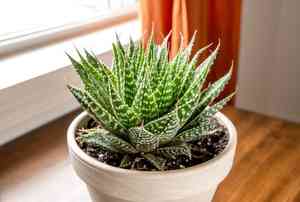
1
Aloe maculata flourishes in direct sunlight but can endure some shade.
2
Provide a minimum of six hours of daily sun for best development.
3
Observe alterations in leaf hue to gauge light levels.
Ideal Illumination Needs for Guinea-fowl aloe
Preferred Light Environment
The Guinea-fowl aloe thrives in bright, indirect light to full sun. Ideally, it should be situated where it receives ample natural illumination throughout the day. South-facing windows are excellent for indoor specimens, while outdoor Guinea-fowl aloe benefits from an unshaded garden spot.
Daily Light Duration
For optimal development, Guinea-fowl aloe requires approximately 6 to 8 hours of sunlight daily. This resilient succulent enjoys significant sun exposure but can also endure partial sun if necessary. Balancing its light intake is crucial to avoid issues like scorching or stunted growth.
Seasonal Light Adjustments
Seasonal shifts affect the amount of light your Guinea-fowl aloe receives. During summer, it will experience longer daylight periods, whereas winter brings shorter days. Relocate indoor plants to the brightest available spot in winter to compensate for reduced light. For outdoor plants, consider supplemental grow lights during darker months to ensure adequate light exposure.
Indicators of Appropriate Light Exposure for Guinea-fowl aloe
Healthy Development Signs
When your Guinea-fowl aloe receives sufficient light, you'll observe vigorous, consistent growth. Its leaves will be thick, firm, and arranged in an attractive rosette. Well-lit aloes often develop a more compact and pleasingly symmetrical form.
Optimal Leaf Hue
A thriving Guinea-fowl aloe exhibits vibrant, deep green foliage. With adequate sunlight, the leaf tips might develop a slight reddish tint, which is normal and signifies the plant is happily absorbing sun. This vivid coloration is a strong indication of your plant's well-being.
Excessive Sunlight Exposure
Sunburn Symptoms
Despite their sun-loving nature, Guinea-fowl aloe can suffer from too much exposure. Sunburn symptoms include brown or white scorched areas on the leaves. These patches may appear dry and brittle, indicating tissue damage from excessive UV rays. If these signs appear, prompt adjustment of lighting conditions is essential.
Preventative Measures
To prevent sunburn, gradually introduce your Guinea-fowl aloe to more intense light if it has been in a shaded or low-light area. Move your plant to a partially shaded location before transitioning to full sun. For outdoor plants, consider providing temporary shade during peak sunlight hours (10 AM to 4 PM) in summer. Mulching around the plant can also help keep the root zone cool.
Insufficient Sunlight Exposure
Signs of Inadequate Light
If your Guinea-fowl aloe isn't getting enough light, it will show it. Indicators of insufficient light include elongated, stretched growth as the plant reaches for a light source. The leaves may become pale and lose their vibrant color. Over time, the plant will appear weak and less robust.
Improving Light Conditions
To enhance light conditions, move your Guinea-fowl aloe to a brighter spot. If grown indoors, place the plant near a south-facing window, or use grow lights to supplement natural light. Outdoors, ensure the plant isn't overshadowed by larger plants or structures. Aim to provide a consistent 6 to 8 hours of sunlight daily to encourage healthy, dense growth.



