How Much Sunlight Do Alexandra Palm Need?
1
Alexandra Palm flourishes optimally in partial sunlight, getting approximately 3-6 hours of sun each day.
2
It can endure full sun, but this might lead to some strain unless it's slowly accustomed.
3
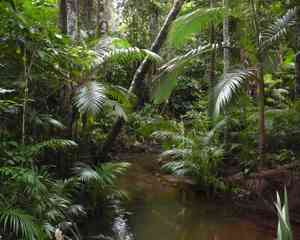
Originating from Australia's tropical areas, the Alexandra Palm inherently prefers sunlight filtered by the forest's overhead foliage.
Optimal Illumination for Alexandra Palms
Preferred Sun Exposure
Alexandra Palms flourish in conditions of partial sun, meaning they should receive approximately 3-6 hours of daylight daily. This light level promotes healthy development without the dangers of excessive direct sun. Ideally, position your Alexandra Palm where it can enjoy morning light, which is less harsh than afternoon rays. In regions with hot summers, providing afternoon shade can prevent leaf damage and stress.
Native Environment and Light Needs
In its natural Australian tropical habitat, the Alexandra Palm is accustomed to filtered sunlight passing through the canopy of taller trees. This indicates that while it appreciates light, it rarely experiences extended periods of direct sun. Replicating these conditions in your garden or indoors can help your palm thrive. Partial shading, especially from midday sun, can create an environment similar to its natural setting.
Can Alexandra Palms Endure Dimly Lit Conditions?
Low Light's Impact on Development
While Alexandra Palms can withstand low light, prolonged exposure to insufficient illumination can negatively affect their growth. Dim light can result in slower development, thinner stems, and overall reduced vitality. It's crucial to find a balance, ensuring the plant receives enough indirect sunlight to maintain peak health.
Indicators of Insufficient Light
If your Alexandra Palm isn't getting adequate light, it will display several signs. These may include yellowing foliage, elongated or stretched growth, and a general lack of vigor. Should you observe these symptoms, it's advisable to gradually relocate your plant to a brighter spot to prevent shock.
Adjusting Indoor Sunlight for Alexandra Palms
Selecting the Right Indoor Location
When cultivating an Alexandra Palm indoors, choosing the correct placement is vital. Position it near a window where it can receive bright, indirect light. East or west-facing windows are ideal, offering the appropriate amount of morning or late afternoon sun. Avoid placing it in direct sunlight, especially through glass, which can intensify light and cause leaf burn.
Supplementary Lighting Solutions
If natural light is inadequate, consider using additional lighting. Fluorescent bulbs or LED grow lights can provide the necessary light spectrum for an Alexandra Palm. Place the lights about 30 cm (12 inches) above the plant and keep them on for approximately 12-14 hours daily to mimic natural daylight conditions.
Effects of Direct Sunlight on Alexandra Palms
Potential Sunburn and Heat Stress
Direct sunlight can lead to sunburn and heat stress for the Alexandra Palm. Signs of sunburn include brown, crispy leaf edges, and in severe cases, leaf scorching. Furthermore, continuous exposure to intense heat can dry out the soil more quickly, increasing the plant's water requirements. It's important to monitor the palm and provide some shade during the hottest parts of the day.
Optimal Periods for Sun Exposure
For ideal growth without the risk of sunburn, expose your Alexandra Palm to direct sunlight during the early morning or late afternoon. During these times, the sun's rays are less intense, reducing the chance of overheating. Morning sun exposure helps the plant dry off any morning dew, which can prevent fungal issues.
Tips for Proper Outdoor Sunlight for Alexandra Palms
Garden Placement
When planting your Alexandra Palm in the garden, select a location that offers partial sun. The spot should ideally receive morning sunlight and be shaded during the harsh afternoon hours. Planting near larger trees or structures can provide the necessary shade during peak sunlight times. Ensuring good air circulation around the plant can also prevent overheating.
Seasonal Light Considerations
Seasonal changes can impact the amount of sunlight your Alexandra Palm receives. In summer, sun intensity and duration are higher, so extra shade might be necessary. During winter, the plant should still get as much indirect sunlight as possible. Be prepared to adjust the plant's location or provide temporary shade as needed to accommodate seasonal shifts in sunlight patterns.



