How Much Sunlight Do Zebra plant Need?
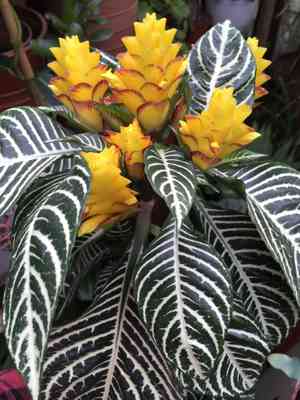
1
Zebra plants flourish in filtered light, receiving 3-6 hours of sun each day.
2
An east or west-facing window is the perfect spot for a Zebra plant.
3
Sheer drapes can diffuse strong sun rays, safeguarding your Zebra plant.
Grasping the Illumination Requirements of Zebra plant
Why Proper Light is Essential
Supplying the appropriate amount of light for your Zebra plant is vital for its well-being and vigor. Correct light exposure aids in regulating the plant's internal functions, including photosynthesis and nutrient absorption. A balanced light setting ensures your Zebra plant grows robust and vibrant, with its distinctive striped leaves looking their finest.
Photosynthesis and Development
Photosynthesis is the process by which plants transform light energy into chemical energy. For Zebra plants, ample sunlight powers this process, fostering growth and overall health. Without sufficient light, photosynthesis decelerates, leading to stunted growth and less vivid foliage. Proper illumination guarantees your Zebra plant remains lush and lively, ready to brighten any space.
What is the Optimal Light for Zebra plant?
Ideal Light Type
Zebra plants prefer bright, indirect illumination. Direct sunlight can be excessively strong and may scorch the leaves, causing harm. Position your Zebra plant near an east or west-facing window where it can receive ample filtered light. If you observe the leaves beginning to fade or burn, try providing some shade or using a curtain to soften the intensity.
Preferred Light Duration
Your Zebra plant will flourish with approximately 3-6 hours of indirect sunlight daily. This duration balances the plant's need for light while preventing potential harm from excessive exposure. Monitor your plant's appearance; if it starts to become leggy or the leaves lose their luster, adjusting the light exposure might be necessary.
How to Ascertain Appropriate Lighting for Zebra plant
Indicators of Excessive Light
Too much light can cause your Zebra plant to display signs of distress. Look for bleaching or browning on the leaves, which signifies sunburn. The leaves might also become brittle or develop brown tips. If you notice these indicators, move your plant to a less sunny location or use a sheer curtain to filter the sunlight.
Indicators of Insufficient Light
If your Zebra plant isn't receiving enough light, you might observe slower growth, elongated stems, or a fading of the vibrant striped pattern on the leaves. The plant might also begin shedding its lower leaves. To remedy this, move your Zebra plant to a brighter spot where it can get more indirect sunlight.
Advice for Modifying Light Conditions for Zebra plant
Utilizing Sheer Curtains for Diffusion
Sheer curtains are an excellent method to filter excessive sunlight and create a more controlled environment for your Zebra plant. They help disperse intense rays, establishing an ideal condition of bright, indirect light. Simply hang the curtains in windows where the plant is situated to prevent any potential sun scorch while maintaining adequate light exposure.
Adjusting Placement Within Your Home
Sometimes, the simplest solution is to modify your Zebra plant's position. Try placing it near an east or west-facing window for optimal light. If these areas receive too much direct sunlight, consider moving the plant a few feet back or to another room where the lighting conditions are more suitable. Regularly observe the plant's reaction to ensure it's thriving in its new spot.
Additional Lighting Recommendations for Zebra plant
Employing Artificial Grow Lights
During darker months or if your home lacks natural light, artificial grow lights can be a savior for your Zebra plant. These lights emulate the natural light spectrum, supporting healthy photosynthesis and growth. Position the grow lights about 12-18 inches (30-45 cm) above the plant, and use them for around 12-14 hours daily to compensate for inadequate natural light.
Seasonal Adjustments
As the seasons change, so do the lighting conditions in your home. In winter, when daylight hours are shorter, you might need to supplement with artificial lights or adjust the plant's placement to a brighter spot. Conversely, in the height of summer, be mindful of intense light and potentially relocate the plant to prevent sunburn. Regular seasonal adjustments will help maintain a consistent and healthy light environment for your Zebra plant.



