How Much Sunlight Do Garden snapdragon Need?
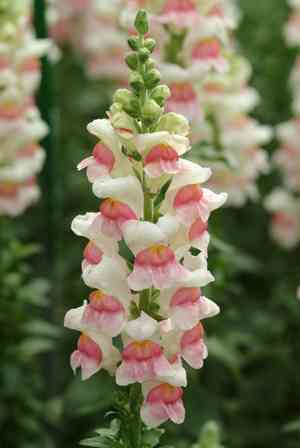
1
Garden snapdragon flourishes optimally with a minimum of six hours of direct solar exposure each day.
2
Although it favors abundant sunlight, Garden snapdragon is capable of enduring partial shade, especially in regions with elevated temperatures.
3
Strategic placement and adapting to seasonal changes can considerably improve the development and flowering of your Garden snapdragon.
The Vital Role of Sunlight for Garden Snapdragon
Photosynthesis and Overall Plant Vigor
Sunlight acts as the primary catalyst for photosynthesis, the fundamental process through which plants convert light energy into chemical energy, enabling them to synthesize food and develop. For Garden snapdragon, sufficient light ensures robust health, vivid blossoms, and stronger stems. Photosynthesis not only fuels growth but also facilitates flower production, making sunlight indispensable for both the aesthetic appeal and functional vitality of your plant.
Significance of Light Duration
Garden snapdragon requires a specific period of daily sun exposure to flourish. Ideally, the plant should receive at least 6 hours of direct sunlight every day. This duration supports the plant's metabolic functions and encourages prolific blooming. Light duration impacts flowering cycles and overall plant strength, making it crucial to monitor the daily sun exposure your plant receives.
Optimal Sunlight Requirements for Garden Snapdragon
Full Sun Conditions
Garden snapdragon thrives when exposed to full sun, meaning direct sunlight for most of the day. Full sun, which translates to a minimum of 6 hours of light, is ideal for vigorous growth and abundant flowering. Full sun helps the plant sustain its energy levels, providing ample resources for blooming and development.
Tolerance for Partial Shade
While Garden snapdragon prefers full sun, it can endure partial shade. In regions with exceptionally hot summers, some afternoon shade can prevent leaf scorching and enhance overall plant well-being. However, excessive shade can lead to reduced blooming, necessitating a balance between adequate sunlight and protection from intense heat stress.
Optimal Placement Strategies for Garden Snapdragon
Prime Garden Locations
To maximize available sunlight, position your Garden snapdragon in a spot that receives morning sun and some shelter from the intense afternoon rays. Excellent locations include south-facing garden beds or areas near reflective surfaces that can redirect light onto the plant. Assessing your garden layout and selecting the best spot can significantly impact your snapdragon's development.
Leveraging Reflective Surfaces
Reflective elements such as white walls or light-colored fences can help by bouncing sunlight onto the Garden snapdragon, maximizing light exposure without needing to move the plant. This approach is particularly effective in gardens with limited space or irregular natural light patterns. By utilizing reflective surfaces, you can boost the light your plant receives, promoting superior growth and blooms.
Consequences of Inadequate or Excessive Sunlight for Garden Snapdragon
Indications of Insufficient Light
If your Garden snapdragon does not receive enough sunlight, you might observe leggy growth, pale foliage, and diminished flowering. The plant will stretch towards the light source, becoming weak and thin. Ensuring sufficient sunlight is crucial to prevent these symptoms and maintain a healthy, vibrant specimen.
Symptoms of Overexposure to Sun
Conversely, too much sunlight can result in leaf burn, yellowing, and wilting despite adequate hydration. Especially in extremely hot climates, providing some afternoon shade can shield your Garden snapdragon from heat stress and sun damage. Observing the plant for signs of distress can help you adjust its environment as needed.
Seasonal Sunlight Considerations for Garden Snapdragon
Spring and Summer Requirements
During the active growth periods of spring and summer, Garden snapdragon will benefit from the extended daylight hours and more intense sunlight. Ensure the plant receives ample morning sun and is shielded from the harshest afternoon rays. Consistent watering and fertilization can also support the plant's heightened growth demands during these seasons.
Fall and Winter Adjustments
As daylight diminishes in fall and winter, it's vital to make adjustments to ensure your Garden snapdragon still gets sufficient light. This might involve relocating potted plants to brighter areas or using artificial grow lights to supplement natural sunlight. With shorter days, maintaining proper light exposure becomes critical to prevent the plant from entering dormancy prematurely.



