How Much Sunlight Do Flamingo flower Need?
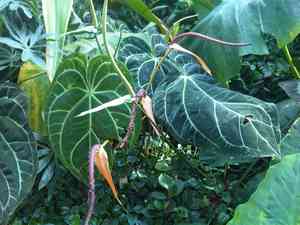
1
Anthurium andreanum flourishes optimally with approximately 3-6 hours of filtered light each day.
2
Provide your Anthurium andreanum with diffused illumination to prevent damage to its foliage.
3
Periodically inspect your Anthurium andreanum for indications of excessive light exposure, like a loss of vibrant coloration.
Ideal Light Requirements for Anthurium
Optimal Illumination Levels
Anthurium thrives in moderate indirect light, receiving approximately three to six hours of diffused sunlight daily. This balance provides sufficient energy for growth without overwhelming the plant.
Preferred Spotting
Position your Anthurium near a luminous window where it can get filtered illumination. East or west-facing windows are perfect, offering gentle morning rays or softer afternoon light for the plant.
Diffused vs. Direct Light
Anthurium prefers indirect illumination over direct exposure, which can scorch its delicate foliage. Use sheer drapes to soften intense beams or place the plant a few feet from the window for ideal conditions.
Consequences of Insufficient Light on Anthurium
Indications of Low Light
When your Anthurium lacks adequate light, it will display signs such as stretched stems, faded or yellowing leaves, and a failure to bloom. These clues suggest the plant requires more light to flourish.
Potential Issues
Inadequate light can cause several issues, including stunted development, frail stalks, and increased vulnerability to pests and diseases. It's crucial to remedy low light conditions quickly to maintain a vigorous plant.
Enhancing Light Conditions
If natural light is scarce, consider using supplemental artificial lighting. Position LED grow lights above or beside the plant, ensuring they are active for 12-16 hours per day to mimic natural daylight.
Typical Lighting Difficulties for Anthurium
Excessive Light Exposure
Too much direct sun can result in leaf burn and desiccation, leading to brown, brittle edges. Always monitor the intensity of light your Anthurium receives, moving its position if necessary to prevent overexposure.
Coping with Seasonal Shifts
Seasonal changes significantly affect the amount of natural light your plant gets. During shorter winter days, move your Anthurium to a brighter location or extend artificial lighting to compensate for reduced daylight hours.
Utilizing Supplemental Lighting
Artificial grow lights are excellent alternatives to natural light, particularly during months with less sunlight. Select full-spectrum LED lights that simulate natural illumination and place them approximately 30-50 centimeters (12-20 inches) above the plant for optimum coverage.
Light's Role in Anthurium Growth
Influence on Photosynthesis
Light is vital for photosynthesis, allowing your Anthurium to convert light into the energy required for growth. Sufficient light enhances the plant’s capacity to produce vibrant leaves and stems.
Light and Flowering
Anthurium needs adequate light to produce flowers. With proper lighting, you'll observe vivid flower spathes that add a burst of color to your indoor garden. A lack of light often results in poor or no blooming.
Maintaining Robust Foliage
Healthy leaves are directly linked to the amount of light your plant receives. Ensure your Anthurium gets the correct light for strong, glossy leaves and stems that are less susceptible to pests.
Observing and Modifying Anthurium's Light
Regular Light Assessments
Consistently observe your plant to confirm it’s receiving appropriate illumination. Check the leaf coloration and structure, and adjust the plant's placement as needed to optimize light exposure.
Adjusting for Peak Growth
If your Anthurium shows signs of insufficient or excessive light, promptly alter its location. Rotate the plant weekly to ensure even light distribution and prevent leaning or uneven development.
Leveraging Technology for Light Monitoring
Various applications and light meters are available to assist you in tracking the light levels around your Anthurium. These tools can provide data and insights, enabling more precise adjustments to achieve the best growing conditions.



