How Much Sunlight Do Angelonia Need?
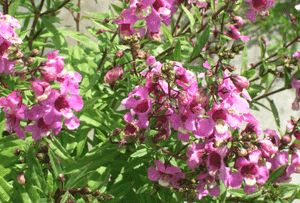
1
Angelonia flourishes optimally with over six hours of direct sunlight each day.
2
Although it can endure some partial sun, insufficient light may hinder its flowering capacity.
3
In areas experiencing strong sun, afternoon shade could help avoid leaf burn.
Optimal Solar Exposure for Angelonia
Ideal Sun Duration
For Angelonia plants to flourish, they should receive over six hours of direct sunlight daily. Generally, these plants are heliophilic and perform best in environments where they can absorb sunlight for most of the day. Flowers grown under these conditions typically exhibit greater vibrancy and abundance.
Daylight Period and Light Strength
The duration of daylight and the intensity of light significantly influence Angelonia's development. These plants are well-suited to the extended daylight hours common in summer, allowing them to absorb ample light throughout the day. However, in regions with exceptionally strong sunlight, providing some midday shade can prevent leaf scorching. Conversely, locations with shorter winter days will necessitate adjustments to maintain their vitality.
Achieving Proper Sunlight Exposure for Angelonia
Outdoor Cultivation Advice
When planting Angelonia outdoors, select a garden spot that receives at least 6-8 hours of direct sun daily. Ensure the soil drains well to prevent waterlogging, which can be harmful despite sufficient sunlight. In extremely hot weather, a bit of afternoon shade can safeguard the plant without compromising its light requirements.
Indoor Placement
Cultivating Angelonia indoors demands a slightly different strategy. Position your Angelonia near a south or west-facing window to ensure consistent direct sunlight. Rotating the plant weekly helps all sides receive equal light, fostering balanced growth. If natural light is insufficient, consider supplementing with grow lights to meet its solar needs.
Common Sunlight-Related Issues for Angelonia
Signs of Insufficient Sunlight
When Angelonia lacks adequate sunlight, several key symptoms may appear. These include etiolated growth, where stems become elongated and weak, and a decrease in flower quantity or vibrancy. Leaves might also yellow or drop off more rapidly than usual. Ensuring proper light exposure is crucial to avert these problems.
Signs of Excessive Sunlight
Conversely, too much sunlight can also cause issues. Symptoms of overexposure include leaf burn, where foliage appears scorched or browned at the edges, and wilting despite moist soil. Providing some midday shade or using a light fabric cover can help shield Angelonia from the harshest rays, especially in very hot climates.
Adjusting Sunlight for Seasonal Variations
Summer Sunlight Modifications
During summer, the sun is more intense, and daylight hours are longer. In these conditions, ensure your Angelonia gets the necessary sunlight but also watch for signs of overexposure. Implementing midday shading can help without reducing overall light intake. Regular watering is also vital as higher temperatures can increase evaporation rates.
Winter Sunlight Modifications
Winter presents a distinct challenge with shorter days and less intense sunlight. If your Angelonia is indoors, moving it to the brightest window can maximize light exposure. Supplementing with artificial grow lights can also ensure your plant continues to receive the equivalent of full sun, keeping it healthy and ready to rebloom in spring.
How to Augment Natural Sunlight for Angelonia
Utilizing Artificial Grow Lights
Artificial grow lights can be an excellent addition to ensure your Angelonia receives enough light, particularly during shorter winter months or if your indoor location lacks direct sunlight. LED grow lights are energy-efficient and can be programmed to mimic the natural day-night cycle, providing your plants with consistent light exposure.
Combining Natural and Artificial Illumination
For optimal growth, consider integrating natural and artificial light sources. Place your Angelonia where it can get natural light during the day and use grow lights to extend light exposure in the morning and evening. This combination can help maintain a healthy growth cycle, especially in regions with fluctuating sunlight availability.



