How Much Sunlight Do Poppy anemone Need?
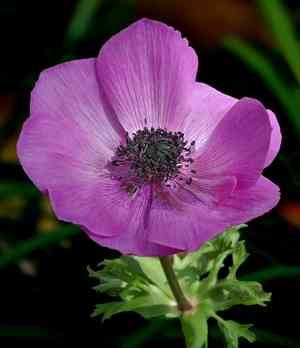
1
Poppy anemone flourishes optimally in direct sunlight, though it can endure some dappled light.
2
Confirm your Poppy anemone receives a minimum of 6 hours of sun each day for peak development.
3
Modifying sun exposure helps avoid problems such as scorching or inadequate illumination.
Optimal Light Conditions for Poppy Anemone
Abundant Sun Exposure
For the most vigorous Poppy anemones, aim to provide ample sun exposure. This means situating the plant where it receives direct sunlight for the majority of the day. Full sun is vital for encouraging vibrant blooms and strong development. Without sufficient light, the Poppy anemone may not flower as profusely.
Partial Shading
While Poppy anemone prefers full sun, it can also endure partial shade, especially in regions with extremely hot summers. In partial shade, Poppy anemone still gets significant light but is shielded from the intense midday sun, which can help prevent overheating and leaf burn.
Daily Light Duration
For peak growth, ensure your Poppy anemone receives at least 6 hours of sunlight daily. This amount of light guarantees adequate energy for photosynthesis, leading to healthy development and beautiful flowers. If you are cultivating your Poppy anemone indoors, consider placing it near a south-facing window that gets abundant sunlight.
Selecting the Best Location for Poppy Anemone
Evaluating Your Garden or Indoor Area
To locate the perfect spot for your Poppy anemone, begin by assessing your garden or indoor space. Observe areas that receive the most sunlight throughout the day. Outdoor gardens with southern orientation tend to get the best light. For indoor settings, utilize rooms with large, unobstructed windows.
Utilizing Natural Light Patterns
Understanding natural light patterns in your outdoor or indoor environment can significantly impact your Poppy anemone's health. Note how sunlight traverses your space from morning to evening. This pattern can help you identify the best locations with consistent light for your Poppy anemone.
Seasonal Light Variations
Remember that sunlight patterns shift with the seasons. In summer, the sun is higher, providing more intense and prolonged light. During winter, sunlight can be less direct and shorter in duration. Adjust your Poppy anemone's placement accordingly to ensure it gets enough light year-round.
Warning Signs: Excessive or Insufficient Light?
Indicators of Sun Damage
Just like people, plants can experience sun damage. For Poppy anemone, signs of sun damage include scorched or bleached foliage, brown edges, and spots on petals. If you observe these symptoms, consider providing your plant with some shade during the hottest parts of the day.
Symptoms of Inadequate Light
Conversely, if your Poppy anemone isn't receiving enough sunlight, it may display symptoms such as elongated stems (a sign of stretching for light), sparse blooming, and pale or yellowing leaves. Ensuring it gets the recommended 6 hours of daily sunlight can help rectify these issues.
Tips for Modifying Light Exposure
Employing Shade Cloth
During particularly hot or sunny periods, you can use shade cloth to shield your Poppy anemone from intense sunlight. Shade cloth can reduce the amount of direct light and heat, preventing sun damage and overheating while still allowing the plant to receive sufficient illumination.
Relocating Containers
If you are cultivating your Poppy anemone in a container, take advantage of its portability. Move the container to different spots to ensure your plant receives optimal sunlight. This flexibility is especially useful for adjusting light exposure as the seasons change.
Trimming Nearby Vegetation
Pruning nearby plants or trees can help increase sunlight availability for your Poppy anemone. Removing branches or thinning out overgrown plants can allow more light to filter through, giving your Poppy anemone the necessary sunlight to flourish.



