How Much Sunlight Do Broomsedge bluestem Need?
1
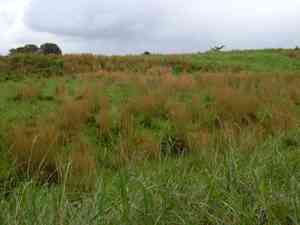
Broomsedge bluestem flourishes in bright, direct light, requiring a minimum of six hours of sun each day.
2
This resilient grass endures some shade, allowing it to fit into diverse garden locations.
3
Observing light exposure aids in positioning your Broomsedge bluestem for peak vitality.
Optimal Light Requirements for Broomsedge bluestem
Ideal Daily Light Exposure
For Broomsedge bluestem care, understanding its light needs is vital. This resilient grass ideally requires at least 6 hours of direct sunlight daily. Full sun conditions promote vigorous growth and maintain its vibrant green hue. Insufficient light may lead to leggy and less robust development. A sunny garden spot is perfect for Broomsedge bluestem to flourish.
Light Intensity and Duration
Not all light is equivalent. The strength and length of light exposure are key factors. Broomsedge bluestem prefers the bright, strong rays from mid-morning to early afternoon. These are the most potent hours of sunlight, providing the energy needed for photosynthesis. However, in extremely hot climates, some afternoon shade might be beneficial to prevent leaf burn. Always aim for balanced sun exposure for optimal plant health.
How to Position Broomsedge bluestem for Optimal Sun Exposure?
Outdoor Placement Recommendations
Correctly positioning Broomsedge bluestem in your garden is crucial. Ensure it's planted in an open area where it can receive ample sunlight throughout the day. Avoid placing it near tall structures, trees, or other plants that might cast shadows. A south-facing location generally works best in the Northern Hemisphere, ensuring maximum possible sunlight for the plant.
Seasonal Considerations
As seasons change, so do the angle and duration of sunlight. During spring and summer, the sun is higher, leading to longer exposure. Conversely, fall and winter bring shorter days and lower sun angles. Adjusting the placement of potted Broomsedge bluestem seasonally can help maintain adequate light. During colder months, consider moving it to a spot that captures the lower-lying sunlight more effectively.
Monitoring Light Levels
Regularly monitoring light levels is essential for Broomsedge bluestem's health. Use a light meter to measure how much light the plant receives in different garden spots. This helps determine if adjustments are needed. If you lack a light meter, simply observe the plant's growth patterns and overall health. Signs of insufficient light can quickly become apparent through changes in appearance and growth rate.
Indicators Your Broomsedge bluestem Needs More or Less Light
Symptoms of Excessive Sunlight
While Broomsedge bluestem thrives in sunlight, too much can be detrimental. Watch for signs of overexposure like brown leaf tips, scorched foliage, or a dry appearance. If these symptoms occur, consider providing some afternoon shade or moving the plant to a slightly less intense sunny spot.
Symptoms of Insufficient Sunlight
Conversely, inadequate sunlight can also impede Broomsedge bluestem's health. Symptoms include elongated growth, pale leaves, and reduced vigor. If you notice these signs, try relocating the plant to a sunnier garden area. Ensuring at least 6 hours of direct sunlight can help the plant regain its health and vibrancy.
Adjusting Light Exposure
Adjusting sunlight exposure is a simple task that can greatly benefit your Broomsedge bluestem. Gradually introduce changes to prevent shocking the plant. Begin by moving it to a brighter location for a few hours longer each day until it adapts to the new light levels. Monitoring and fine-tuning exposure will help your plant remain healthy and robust year-round.



