How Much Sunlight Do Pearly everlasting Need?
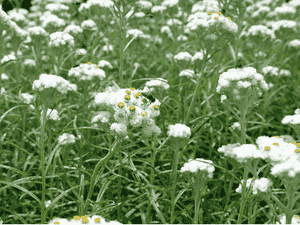
1
Pearly everlasting flourishes optimally with a minimum of 6 hours of direct sunlight daily.
2
Partially sunny conditions are also acceptable, particularly in warmer regions where excessive sun exposure might be harmful.
3
While it can endure some shade, Pearly everlasting will not flower as profusely as it does when exposed to full sun.
Optimal Light Conditions for Pearly everlasting
Abundant Sunshine
Abundant sunshine represents the perfect illumination for Pearly everlasting. This plant thrives when exposed to direct sunlight for more than six hours daily. Extensive sun exposure promotes vibrant flower production and robust development. In areas with mild to moderate summers, positioning your Pearly everlasting in full sun guarantees it receives necessary energy.
Partial Sunshine
Pearly everlasting can also flourish in partial sun if full sun isn't an option. This implies it can receive between three to six hours of direct sunlight. Partial sun conditions are especially advantageous in regions with extremely hot weather, where excessive sun might stress the plant. Providing morning sun and afternoon shade can effectively balance its light requirements.
Diffused Sunlight
Diffused sunlight, where light is scattered through tree canopies or sheer curtains, is another possibility. While not ideal, Pearly everlasting can still endure these circumstances. However, limited light exposure might result in fewer blossoms and slower development. Diffused sunlight is best as a temporary solution or for areas where direct sun could scorch the plant.
Daily Sunlight Requirements for Pearly everlasting
Optimal Daily Light Duration
Pearly everlasting ideally needs at least six hours of sunlight daily to flourish. For peak growth and bloom production, ensuring the plant gets ample light is crucial. In full sun conditions, the plant can photosynthesize efficiently, leading to healthier foliage and more abundant flowers.
Seasonal Light Demands
Seasonal variations can impact the amount of sunlight Pearly everlasting requires. During the height of summer, you might need to shield it from intense afternoon sun to prevent leaf scorch. In spring and autumn, the plant typically tolerates full sun without issues. Adjusting the plant's exposure based on the season ensures its health and longevity.
Can Pearly everlasting Withstand Shade?
Tolerance for Partial Shade
While full sun is preferred, Pearly everlasting exhibits a reasonable tolerance for partial shade. In partially shaded areas, it will receive indirect or dappled sunlight, which can be sufficient for survival. This adaptability makes it a versatile plant for various garden settings, but anticipate a reduction in flower size and quantity.
Effects of Complete Shade
Pearly everlasting is less suited for completely shaded environments, where it gets less than three hours of sunlight daily. Extended periods in full shade can lead to leggy growth and significantly fewer blooms. While the plant may survive, it will not thrive or reach its full potential under such conditions.
Pearly everlasting Sunlight Placement Recommendations
Selecting the Appropriate Spot
Choosing the correct location for your Pearly everlasting is vital. Aim for a spot that offers full morning sun and partial afternoon shade, especially in warmer climates. South or west-facing positions usually provide the best light conditions. Ensure the location isn't overly crowded with other plants that could obstruct sunlight.
Managing Light Exposure in Diverse Settings
Pearly everlasting adapts to various environments, but managing its sun exposure is key. In dry, arid regions, consider placing the plant where it receives filtered afternoon sun to prevent dehydration. Conversely, in cooler climates, full-day sun will encourage better growth and flower production. Adjust your watering schedule based on sun exposure.
Seasonal Adjustments for Light Needs
Adjustments may be necessary as seasons change. In winter, if you bring potted Pearly everlasting indoors, position it near south-facing windows to maximize light exposure. During the growing season, observe the plant's reaction to sunlight and provide temporary shading if signs of sunburn appear, such as yellowing or browning leaves.



