How Much Sunlight Do Prince's feather Need?
1
Prince's feather flourishes optimally when exposed to direct sunlight for a minimum of six hours daily.
2
Supplemental artificial light can be beneficial, particularly during periods of reduced daylight.
3
Excessive sun exposure may lead to leaf burn, whereas insufficient light can hinder development and flowering.
Optimal Illumination for Prince's feather
Direct Sun vs. Partial Shade
For Prince's feather, achieving the right light balance is crucial for robust growth and vivid blooms. Typically, this plant thrives in full sun exposure, meaning it should ideally be situated where it receives direct sunlight for most of the day. However, Prince's feather can also endure partial shade, particularly in regions with extremely hot summers. Partial shade implies it will get roughly 3-6 hours of direct sunlight, usually in the morning or late afternoon, with some protection during the day's hottest periods.
Daily Light Exposure
Prince's feather flourishes with over six hours of consistent daily sunlight. If you live in an area with shorter daylight, be mindful of the light your plant receives and consider placing it in the brightest available spot. During seasons with extended daylight, like summer, ensure it isn't overexposed to harsh midday sun, which can damage its leaves. Positioning your Prince's feather to receive a steady six to eight hours of gentle morning sunlight is a good strategy.
Why Is Light Essential for Prince's feather?
Photosynthesis and Development
Sunlight is a vital element for photosynthesis, the process by which Prince's feather generates the food and energy required for growth. When this plant gets enough sunlight, its leaves can absorb light, carbon dioxide, and water, producing glucose, which fuels its development. Without adequate sunlight, photosynthesis slows, leading to stunted growth and less vigorous plants.
Flowering and Bloom Period
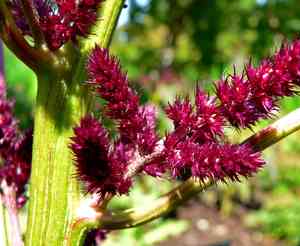
Sunlight also plays a critical role in the blooming phase of the Prince's feather. Sufficient light encourages the plant to produce its distinctive vibrant red or maroon flowers. These blooms generally appear in late summer but can be affected by the amount and quality of light the plant receives. Insufficient sunlight can delay blooming or result in fewer, smaller flowers, diminishing the plant's overall visual appeal.
Adjusting Prince's feather to Various Light Conditions
Transitioning from Indoor to Outdoor Light
If you're moving your Prince's feather from an indoor environment to outdoor light, it's crucial to acclimate it gradually to prevent shock. Begin by placing the plant in a shaded outdoor area for a few days, then slowly increase its exposure to direct sunlight over one to two weeks. This gradual transition helps the plant adapt to the brighter, more intense outdoor light without suffering from sunburn or stress.
Supplementing with Artificial Illumination
When natural sunlight is insufficient, you can supplement with artificial lighting. Use grow lights that mimic the spectrum of natural sunlight to provide Prince's feather with the light it needs. Position the lights approximately 15-30 centimeters (6-12 inches) above the plant, ensuring it receives about 12-16 hours of light daily. This setup can help maintain its growth and blooming cycles, especially during winter months or in areas with limited natural light.
Common Issues Due to Incorrect Sunlight
Signs of Excessive Sun
Too much sunlight can cause several problems for Prince's feather. Look for indicators like browning or scorched leaf edges, wilting during the day's hottest part, or a general browning of the foliage. If you observe these symptoms, consider providing some afternoon shade or moving the plant to a slightly more protected location.
Signs of Insufficient Sun
Conversely, not enough sunlight can lead to yellowing leaves, elongated or leggy growth, and poor blooming. The plant may appear weak and fail to produce significant flowers. If your Prince's feather shows these signs, move it to a sunnier spot or consider augmenting with artificial light sources to meet its light requirements.



