How Much Sunlight Do Saint Martin's lily Need?
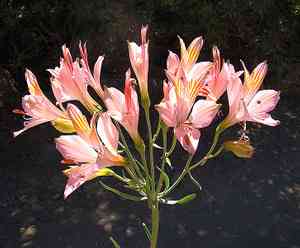
1
For peak development, the Saint Martin's lily requires approximately 3 to 6 hours of daily sun exposure.
2
Although the Saint Martin's lily endures direct sun, some afternoon shade helps avoid leaf scorching.
3
The Saint Martin's lily flourishes in both indoor and outdoor settings with appropriate light handling.
Optimal Lighting Conditions for Saint Martin's Lily
Full Sun Versus Partial Shade
Saint Martin's lily flourishes best with partial sun exposure. This entails providing the plant with roughly 3 to 6 hours of direct sunlight each day. It can endure full sun, though partial shade is preferable, particularly during intense afternoon periods. This helps prevent leaf scorch and promotes more vigorous, healthier development.
Morning Versus Afternoon Light
Morning light is typically less harsh than afternoon light, making it perfect for Saint Martin's lily. Positioning your plant to capture the early sun's rays will enhance photosynthesis while minimizing the chance of leaf damage. Conversely, shielding it from the stronger afternoon sun can help preserve its vibrant look.
Indoor Versus Outdoor Light Exposure
Whether cultivating Saint Martin's lily inside or outside, managing its light exposure is crucial. Outdoors, select a spot with filtered light or morning sun. Indoors, position it near east or south-facing windows for ample brightness without overwhelming the plant.
Achieving Ideal Sun Exposure for Saint Martin's Lily
Choosing the Proper Site
Selecting the perfect location for your Saint Martin's lily is essential. For outdoor planting, choose an area that receives morning sun and afternoon shade. If indoors, a spot near east-facing windows can be beneficial. Remember, the goal is consistent yet moderate sunlight exposure.
Effective Use of Grow Lights
When natural sunlight is insufficient, grow lights offer a practical solution. Configure these lights to mimic natural daylight, ensuring your Saint Martin's lily receives the necessary light spectrum. Position the lights approximately 30-45 centimeters (12-18 inches) above the plant and use timers for 12-16 hours of light daily.
Seasonal Adjustments for Sunlight
Seasonal shifts can influence the amount of light your Saint Martin's lily receives. During summer, more intense light might require additional shading, while in winter, moving the plant closer to windows or using supplemental grow lights can be beneficial. Attending to these changes ensures your plant receives adequate light throughout the year.
Indications of Excessive or Insufficient Sunlight for Saint Martin's Lily
Symptoms of Sun Damage
If exposed to too much direct sunlight, Saint Martin's lily may experience sunburn. Signs include browned or crisped leaf edges, bleached areas, and a generally droopy appearance. To remedy this, move the plant to a shadier location and trim damaged foliage to stimulate new growth.
Signs of Inadequate Light
Conversely, too little sunlight can result in etiolated growth, pale or yellowing foliage, and reduced flowering. If you observe these symptoms, gradually increase the plant's light exposure to prevent shock while ensuring it receives enough illumination for healthy development.
Corrective Actions
Balancing light exposure requires observation and modification. For sunburn, providing an appropriate mix of sun and shade is crucial. If the plant lacks light, progressively increase its exposure, utilize reflective surfaces or extra light sources, and consider regular rotation for uniform light distribution.
Common Errors and How to Prevent Them
Overexposure to Direct Sunlight
A frequent mistake is subjecting Saint Martin's lily to prolonged direct sunlight. This can lead to leaf harm and stress the plant. To prevent this, aim for morning light and provide shade during peak afternoon hours, ensuring balanced light intake.
Neglecting Seasonal Variations
Ignoring seasonal changes can impair your Saint Martin's lily's health. As seasons shift, so do light intensity and duration. Adjust your plant's placement and light source to maintain optimal conditions year-round. Repositioning it closer to light in winter and offering shade in summer is recommended.
Overlooking Indoor Light Sources
When growing Saint Martin's lily indoors, relying solely on natural light might be insufficient, especially in dimmer homes. Employ grow lights or strategically placed mirrors to boost available light. Ensuring consistent and sufficient exposure is vital for indoor health and development.
Frequently Asked Questions About Saint Martin's Lily and Sunlight
Can Saint Martin's Lily Survive in Low Light?
While Saint Martin's lily can persist in low light, it will not flourish. Furthermore, you might notice less blooming and leggy growth. Always aim to give it 3-6 hours of sunlight to keep it thriving.
Is Artificial Illumination a Good Replacement for Natural Sunlight?
Yes, artificial light, particularly full-spectrum grow lights, can serve as an effective substitute. Ensure to position the lights correctly and establish a consistent schedule to mimic natural daylight, supporting the plant's optimal growth and well-being.
How Can I Protect My Saint Martin's Lily from Sunburn?
To safeguard Saint Martin's lily from sunburn, avoid placing it in direct afternoon sun. Instead, choose a spot with filtered light or morning sun. If cultivated indoors, use sheer curtains to diffuse the light and prevent burning.



