How Much Sunlight Do Elephant's ear Need?
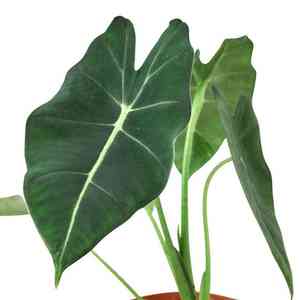
1
Alocasia prefers optimal growth with three to six hours of daily, dappled sunlight.
2
Indirect or filtered light helps protect the foliage from sun damage.
3
Modifying light levels throughout the year promotes continuous well-being for your Alocasia.
The Importance of Sunlight for Elephant's Ear
Energy Production and Development
Solar radiation is vital for Elephant's ear because it powers photosynthesis, the process by which plants transform light into usable energy. This energy is critical for development, enabling the plant to produce expansive, robust foliage and subterranean corms. Without sufficient light, photosynthesis diminishes, hindering growth and diminishing the plant's overall vigor.
Leaf Pigmentation and Vitality
Appropriate exposure to sunlight also significantly impacts the lively green hue and general wellness of the foliage. Inadequate light can cause leaves to appear dull, whereas excessive direct sun exposure can lead to leaf scorching, resulting in unattractive brown marks. Maintaining equilibrium is essential for your Elephant's ear to look its best.
Optimal Sunlight Conditions for Elephant's Ear
Desired Light Strength and Duration
Elephant's ear generally prefers partial sun, meaning it thrives with approximately 3-6 hours of daily sunlight. This provides ample light for photosynthesis without the risk of leaf scorching. Morning sun followed by afternoon shade often delivers the perfect light environment.
Understanding Diffused and Indirect Illumination
Diffused sunlight, such as light filtered through translucent curtains or the dappled light beneath a tree canopy, is ideal for Elephant's ear. Indirect light, where the plant is close to but not directly in the path of sunlight, works well, especially for indoor settings. Both options help prevent leaf burn while ensuring the plant receives adequate light.
Indoor vs. Outdoor Light Requirements
Elephant's ear can thrive both indoors and outdoors with suitable light conditions. When kept inside, position the plant near an east or west-facing window to receive bright, indirect light. Outdoors, select a spot that offers morning sun and afternoon shade, such as beside a building or larger plants that offer some cover during the hottest parts of the day.
Indicators of Inappropriate Sunlight Exposure
Symptoms of Excessive Exposure
Leaf scorch is a common indicator of too much sunlight. You might observe brown, brittle edges on the leaves, or faded, bleached spots where the sun has damaged them. If these signs appear, try to offer some shade or relocate the plant to a less sunny area.
Identifying Signs of Insufficient Illumination
When Elephant's ear does not receive enough light, it can become leggy with elongated stems and smaller, paler leaves. The plant's development will also be significantly slower, and it might begin shedding leaves. If these symptoms emerge, consider moving your plant to a brighter spot or supplementing with artificial lighting.
Adjusting Sunlight Exposure for Elephant's Ear
Seasonal Adjustments
As seasons change, so should your strategy for light exposure. In winter, when natural light is weaker, you might relocate your Elephant's ear to a spot with more direct light to compensate. During the warm summer months, ensure the plant is shielded from intense afternoon sun, perhaps by moving it to a shadier location or utilizing shade cloth.
Utilizing Supplemental Light Sources
If natural light is inadequate, particularly for indoor plants, consider employing artificial grow lights. LED grow lights are a suitable choice, as they provide the necessary light spectrum without generating excessive heat. Position the lights approximately 30-60 cm (12-24 inches) above the plant, aiming for about 12-16 hours of light daily.
Creating Shaded Environments
For outdoor Elephant's ear, establishing shaded areas can be as simple as planting them near taller vegetation or structures that cast a shadow during peak sunlight hours. If greater flexibility is required, use portable shade cloths or garden umbrellas to offer temporary relief from intense sunlight.



