How Much Sunlight Do Black alder Need?
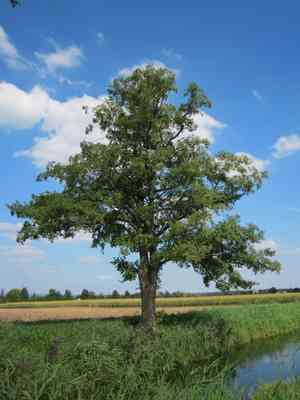
1
The black alder flourishes with abundant sunlight, needing a minimum of six hours of direct sun each day.
2
Although the black alder is resilient, it exhibits distress when not receiving adequate sunlight.
3
Observe the shifting seasons to modify your black alder's light exposure and ensure its vitality.
What is the Optimal Sunlight Exposure for Black alder?
Full Sun Requirements
Black alder thrives in full sun, meaning it needs at least six hours of direct, unobstructed sunlight daily. In regions with extended daylight, this tree will flourish, reaching its full growth potential with abundant foliage.
Partial Sun Considerations
Although Black alder performs best in full sun, it can tolerate partial sun. This entails the tree receiving 3-6 hours of direct sunlight, supplemented by some shade. However, note that these conditions might slightly limit its growth rate and overall vitality.
Seasonal Sunlight Variations
Different times of the year bring varying sunlight strengths and durations. During summer, ensure your Black alder is well-hydrated to cope with intense sun. In winter, even though the sun is weaker, the tree's dormant state requires less light, simplifying your plant care.
How Does Sunlight Influence Black alder Development?
Photosynthesis and Energy Production
Sunlight is crucial for photosynthesis, the process where Black alder converts light into energy. With sufficient sunlight, the tree efficiently produces the fuel needed for growth, resulting in healthier and stronger branches and leaves.
Impact on Leaf Health
Adequate sunlight exposure ensures Black alder leaves stay vibrant and green. Under ideal light, the foliage is lush and dense. Conversely, insufficient sunlight can cause leaves to become sparse and pale, indicating poor health.
Growth Rate and Height Development
Sunlight directly impacts the growth rate of the Black alder. Trees exposed to full sun gain ample energy for rapid growth, reaching impressive heights. In contrast, limited sun exposure can hinder growth, resulting in a shorter and less robust tree.
What are the Indicators of Excessive or Insufficient Sunlight for Black alder?
Symptoms of Sunburn or Sunscald
Too much sunlight, particularly during extremely hot weather, can lead to sunburn or sunscald on the Black alder. You might observe scorched, brown spots on the leaves, signifying overexposure. Providing some shade during peak sun hours can prevent this.
Indications of Insufficient Sunlight
When lacking adequate sunlight, Black alder will display specific signs of stress. Look for elongated, weak growth, frail branches, and light green leaves. These symptoms suggest the tree is stretching for light and not receiving enough energy.
How to Optimize Sunlight Exposure for Black alder in Various Climates
Best Practices for Sunny Climates
In areas with abundant sunlight, Black alder will thrive. Ensure the tree is consistently watered to balance the intense sun exposure, especially in summer. Mulching around the base can help retain moisture and keep roots cool.
Strategies for Shady Areas
If your garden or planting site is primarily shaded, select a location where the Black alder can receive at least 3-6 hours of direct sunlight. Avoid deeply shaded spots to prevent stunted growth and poor health. Pruning nearby plants or trees can help maximize sunlight access.
Adjusting for Seasonal Changes
Monitor the changing sun patterns throughout different seasons. In winter, moving potted Black alder to the sunniest spots can maintain its light intake. Pruning in spring ensures the tree stays healthy and prepared for the growing season's sunlight requirements.



