How Much Sunlight Do Chives Need?
1
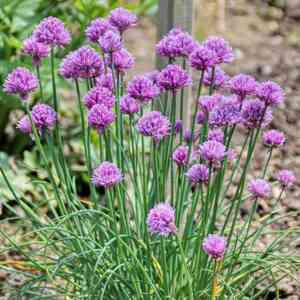
Chives flourish in abundant sunlight, requiring over six hours of direct sun exposure daily.
2
A partially sunny location, providing between four to six hours of sunlight, can also support Chives' development.
3
Chives are suitable for cultivation inside or outside, given appropriate light conditions.
What Light Exposure Do Chives Need?
Best Light Conditions
For robust Chive growth and vibrant green foliage, aim for full sun exposure. This means they should receive at least six hours of direct sunlight daily. Placing them in a south-facing garden area or window is ideal. Full sun not only promotes strong development but also enhances the flavor of the leaves, making them perfect for cooking.
Minimum Light Required
Chives can tolerate partial sun if absolutely necessary. If a full sun spot isn't available, aim for a minimum of 4-6 hours of sunlight each day. Morning sun is generally better if light is limited, as it's typically less intense than afternoon sun.
Can Chives Get Too Much Sun?
While Chives thrive in light, excessive exposure can be detrimental. In areas with very strong sunlight or high temperatures, offering some afternoon shade can prevent leaf scorch. Mulching around the plant base also helps maintain soil moisture and shields roots from extreme heat.
Optimal Locations for Growing Chives
Indoor Growing Spots
Chives are adaptable and can be successfully cultivated indoors. Position them on a sunny windowsill where they can absorb at least six hours of direct sunlight daily. South-facing windows are perfect, but east or west-facing windows can also work with sufficient exposure. If natural light is lacking, consider using fluorescent or LED grow lights to provide the necessary illumination.
Outdoor Planting Areas
Outdoors, Chives flourish in garden beds, containers, or even as border plants in your vegetable patch. Select a site that receives full sun for most of the day. Raised beds can be particularly advantageous for ensuring good drainage. When planting in pots, ensure they have drainage holes and use suitable potting soil for best results.
How to Ensure Chives Get Adequate Light
Utilizing Supplemental Lighting
When natural sunlight is scarce, especially during winter, grow lights can be very helpful. Use full-spectrum fluorescent or LED grow lights to provide the required illumination. Position the lights 6-12 inches above the plants and keep them on for approximately 12-16 hours per day. This artificial light setup can support healthy Chive growth when natural light is low.
Adjusting Plant Position
Regularly checking the light your Chives receive helps ensure optimal growth. If you notice plants stretching towards the light, it might be time to reposition them. Rotate pots or move them to a brighter spot periodically to ensure even light distribution and vigorous development.
Seasonal Light Changes
Sunlight availability changes with the seasons. During winter, when light is weak or sparse, indoor Chives may require supplementary light from grow lights. In summer, when sunlight is plentiful and intense, you might need to provide some shade during peak afternoon hours, especially in warmer climates, to prevent leaf burn.
Common Light-Related Problems with Chives
Symptoms of Insufficient Light
If Chives do not receive enough light, they may become elongated with thin, weak stems and pale green to yellowing leaves. Growth may slow, and the flavor of the leaves can become less potent. If you notice these signs, consider moving your Chives to a brighter location or adding artificial lighting.
Addressing Sunburn on Chives
Excessive sunlight and high temperatures can lead to sunburn, where Chives might develop white or brown spots on their leaves. If this occurs, move the plants to a slightly shadier spot, particularly during the hottest part of the day. Applying mulch can also help protect the roots from direct heat.



