How Much Sunlight Do Lady's mantle Need?
1
Lady's mantle flourishes optimally in areas with some shade.
2
Excessive direct sun exposure may lead to scorched leaves and drooping in Lady's mantle.
3
Local environmental conditions significantly impact the light requirements of Lady's mantle.
Optimal Light Conditions for Lady's Mantle
Partial Shade
Lady's mantle thrives in partial shade. This light level means the plant receives three to six hours of daily sunlight. The most suitable time for this sun exposure is during the morning or late afternoon when rays are softer, reducing the chance of leaf scorching. Partial shade ensures optimal growth without sun damage.
Morning Sun
A few hours of morning sun greatly benefits Lady's mantle. Morning light, typically before 11 a.m., is less intense than midday or afternoon sun. This gentler illumination aids effective photosynthesis without risking leaf burn or wilting. Early sun exposure helps the plant flourish and maintain its vibrant green leaves.
Indirect Light
If partial shade or direct morning sun isn't feasible, indirect light is the next best option for Lady's mantle. Indirect light, like that found on a covered patio or under a tree canopy, is diffused yet still reaches the plant effectively. It's particularly useful in very hot climates where direct sun might be too strong, even early in the day.
Impacts of Excessive Sun Exposure on Lady's Mantle
Leaf Burn
Too much direct sunlight can cause leaf burn on Lady's mantle. This appears as browning or scorched edges on the foliage. Leaf burn not only detracts from the plant's appearance but also impairs its overall health and photosynthetic capacity. Limiting harsh sun exposure is crucial to prevent this issue.
Wilting
Another negative effect of excessive sun is wilting. When Lady's mantle is exposed to intense sunlight, it can lose water faster than it can absorb it, leading to a droopy appearance. Wilting clearly signals plant stress, indicating a need for more shade and moisture. Regular checks during peak heat can help assess its sun tolerance.
Ideal Growing Zones for Sun Exposure
Zone Preferences
Lady's mantle typically performs well in USDA Hardiness Zones 3 through 8. These zones offer perfect conditions, balancing temperature and sunlight. Gardeners in these areas can easily manage sun exposure with some planning. Always consider your local climate when choosing a spot for your Lady's mantle.
Microclimates
Garden microclimates can influence the amount of sunlight Lady's mantle receives. For instance, areas near walls, fences, or beneath large trees can provide varying degrees of shade. These small climatic differences help Lady's mantle adapt better to its environment. Evaluate your garden's microclimates to create the most favorable growing conditions.
Methods to Adjust Sunlight Exposure for Lady's Mantle
Using Shade Cloth
If natural shade isn't available, a shade cloth can be very helpful. Shade cloths come in different densities, allowing you to control light penetration. A cloth blocking about 30-50% of sunlight can prevent leaf burn on Lady's mantle. These are especially useful during peak summer months when the sun is strongest.
Positioning in Garden
Thoughtfully placing your Lady's mantle in the garden can make a significant difference. Position it behind taller plants, near structures like sheds or fences, or in naturally shaded spots. This provides filtered sun exposure, reducing the risk of leaf burn and wilting. Remember, the location should ideally allow for morning sunlight.
Companion Planting
Consider planting taller species alongside your Lady's mantle. Plants such as hostas or tall grasses can create an excellent canopy, shielding Lady's mantle from midday sun while allowing it to enjoy gentler morning rays. This fosters a more balanced light environment, promoting healthier growth and more vibrant foliage.
Indicators of Proper Sun Exposure for Lady's Mantle
Healthy Leaf Color
A key sign that your Lady's mantle is getting appropriate sunlight is its leaf color. Healthy Lady's mantle leaves are a vivid green. If leaves turn yellow or brown, it might indicate too much or too little sun. Observing and adjusting based on leaf color helps provide ideal lighting conditions.
Robust Growth
Another indicator of suitable sunlight is the plant's overall growth. A Lady's mantle growing in ideal sun conditions will exhibit strong, healthy development. The plant should appear full, with lush foliage and no signs of stress like wilting or leaf burn. Consistent growth reliably shows your plant is content with its sun exposure.
Flower Production
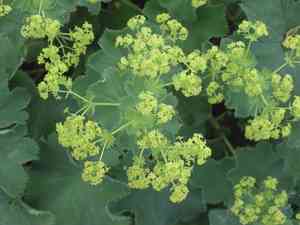
Flowers clearly signal a thriving Lady's mantle. When the plant receives the correct amount of sunlight, it produces charming, frothy clusters of yellow-green blooms. These typically appear from late spring to early summer. If your plant isn't flowering, re-evaluate its sun exposure and make necessary adjustments.



