How Much Sunlight Do Persian silk tree Need?
1
Persian silk trees flourish optimally with ample sunlight, needing over six hours of direct sun each day.
2
They can endure some shade, though this could lead to less robust development and fewer flowers.
3
Indications of light issues include foliage turning yellow (insufficient light) or leaf margins browning (excessive light).
Understanding the Sunlight Requirements of the Persian Silk Tree
Native Habitat and Natural Light Conditions
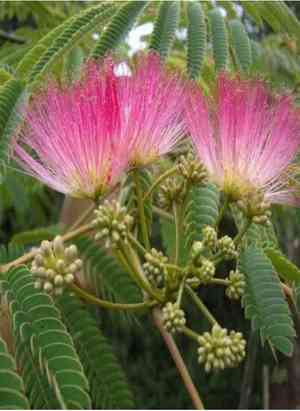
The Persian silk tree, an appealing deciduous specimen noted for its delicate pink blossoms and fern-like foliage, originates from warm regions spanning from Iran to China. In its native environment, this tree typically experiences full sun exposure, absorbing ample sunlight throughout the day. These inherent conditions render the tree well-suited for locations where it can soak in prolonged periods of direct solar radiation.
Photosynthesis and Growth Cycle
Photosynthesis is vital for the Persian silk tree, just as it is for all botanical life. This process demands sunlight to convert carbon dioxide and water into nutrients and oxygen, thereby fueling the tree's development and flowering cycle. To flourish and produce its characteristic beautiful blooms, the Persian silk tree requires a daily minimum of 6 hours of sunlight. This copious light sustains its development, aiding its flower clusters in bursting into vibrant displays during the summer months.
How Do You Ensure Proper Sunlight for a Persian Silk Tree?
Ideal Locations for Planting
To guarantee your Persian silk tree receives sufficient sunlight, selecting the correct planting site is crucial. The best spots are generally open areas with unhindered sun exposure. Consider your garden's arrangement — locations facing south or west often receive abundant sunlight throughout the day. Steer clear of shaded spots beneath large trees or close to structures that might obstruct sunlight during part of the day.
Seasonal Sunlight Variations
Seasonal changes significantly influence the sunlight your Persian silk tree obtains. During summer, the tree typically enjoys extended daylight hours, powering its active growth phase. However, in winter, shorter days result in reduced sunlight. While the tree is deciduous and dormant at this time, situating it where winter sunlight is maximized can help prepare it for a robust resurgence in spring. Notably, areas with severe winters might benefit from safeguarding the tree against harsh conditions.
Signs of Too Much or Too Little Sunlight
Recognizing sunlight-related issues is essential for maintaining a healthy Persian silk tree. Indications of insufficient sunlight include stretched, spindly growth and yellowing leaves, pointing to inadequate photosynthesis. Conversely, excessive direct sunlight can scorch the foliage, leading to burnt edges or bleached leaves. Regularly observing these symptoms can help you adjust the tree's position or light exposure as necessary to ensure optimal health.
What Type of Sunlight is Best for the Persian Silk Tree?
Direct Sunlight vs. Indirect Sunlight
The Persian silk tree thrives best with direct sunlight, where it receives the full strength of the sun's rays. Indirect sunlight, while beneficial for many indoor plants, is less effective for this hardy outdoor tree. Direct exposure enables the tree to maximize its photosynthetic efficiency, promoting stronger growth and prolific flowering. If cultivated indoors or in partly shaded settings, supplementary artificial illumination may be necessary.
Morning Sun vs. Afternoon Sun
Morning sun tends to be less intense, making it ideal for the Persian silk tree. While the tree enjoys full sunlight, the stronger afternoon rays can sometimes be overly harsh, especially during the height of summer. Positioning the tree to receive morning sunlight ensures it gets ample light without the potential leaf scorching that afternoon sun might cause. This equilibrium is particularly vital in regions with exceptionally hot climates.
Artificial Light Options for Indoor Persian Silk Trees
Suitable Artificial Light Sources
If growing a Persian silk tree indoors, providing sufficient artificial light is critical. Opt for full-spectrum LED grow lights, as they effectively mimic natural sunlight. These lights support the tree's photosynthesis process, ensuring vigorous development. Correctly positioning these lights and setting them on a timer to provide at least 6 hours of illumination can compensate for indoor light deficiencies.
How to Position Artificial Lights
Properly placing artificial lights ensures the tree receives maximum advantages. Position the lights 12-18 inches (30-45 cm) above the plant to emulate natural sunlight without causing heat damage. Ensure uniform light distribution across the tree's canopy to prevent uneven growth. Regularly adjusting the lights' height as the tree matures helps maintain optimal exposure, fostering balanced and strong development.



