How Much Sunlight Do Chinese alangium Need?
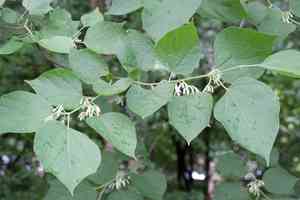
1
Chinese alangium flourishes optimally with more than 6 hours of daily sun exposure.
2
Although it can withstand partial shade, intense, diffused illumination promotes robust development.
3
Observing the state of its leaves offers insights into the light levels your Chinese alangium is experiencing.
Optimal Light Conditions for Chinese Alangium
Full Sun Requirements
For optimal health, your Chinese alangium needs a minimum of six hours of direct sun daily, often referred to as 'full sun'. This light exposure promotes sturdy stems and a robust structure, vital for its well-being.
Tolerance to Partial Shade
Though Chinese alangium thrives in full sun, it is adaptable and can endure partial shade. A location offering dappled sunlight or afternoon shade is suitable if full sun isn't available. However, extended periods of low light can inhibit blooming and lead to stretched growth.
Recognizing Ideal Sunlight Exposure
Indicators of Sufficient Sunlight
A healthy Chinese alangium displays vibrant green leaves and a strong form when receiving adequate sunlight. You'll observe vigorous development, abundant foliage, and consistent flowering, signaling satisfaction with its light conditions.
Signs of Insufficient Light
If your Chinese alangium lacks enough light, it might show symptoms like elongated stems, pale leaf coloration, and reduced flowering. Such signs suggest moving the plant to a brighter area or supplementing with artificial illumination during shorter daylight periods.
Evidence of Too Much Sunlight
Excessive sun exposure can cause leaf scorch, where foliage develops brown, brittle edges or spots. Providing some shade during the hottest part of the day can help prevent this problem.
Seasonal Light Adjustments for Chinese Alangium
Managing Summer Sunlight
During summer, sun intensity can be very high. If you notice signs of overexposure, such as burned leaves, consider providing afternoon shade. A potted plant can be relocated to an area that gets morning sun but is shielded from intense afternoon rays.
Winter Light Management
In winter, daylight hours are shorter and the sun is less powerful. Ensure your Chinese alangium continues to get ample light by placing it in the brightest available spot. South-facing windows are an excellent indoor option during colder months.
Best Practices for Indoor vs. Outdoor Cultivation
Indoor Placement for Light Access
When growing Chinese alangium indoors, position it near a south-facing window to receive bright, indirect light for most of the day. Rotating the plant monthly ensures uniform light distribution and balanced development.
Outdoor Siting Recommendations
For outdoor planting, select a spot for your Chinese alangium that receives full morning sun with some afternoon shade. This optimizes exposure to gentler morning light while protecting it from potentially damaging midday and afternoon heat.
Improving Sunlight Exposure: Tips and Strategies
Utilizing Reflective Materials
Boost sunlight exposure for your Chinese alangium by placing reflective surfaces, like mirrors or whiteboards, near the plant. These items help direct more light onto your plant, especially useful on cloudy days or in dimly lit indoor environments.
Pruning for Enhanced Light Penetration
Regular pruning improves air circulation and light penetration. By removing dense or overgrown branches, you ensure that sunlight reaches the inner parts of your Chinese alangium, promoting even growth and overall plant vitality.
Selecting the Optimal Garden Spot
Choosing the ideal location for your Chinese alangium in your garden involves observing daily sun patterns. Opt for an area that gets abundant morning sunshine but offers some protection from afternoon heat. Monitor the plant's reaction over several weeks and adjust its position if necessary.



