How Much Sunlight Do Tree of heaven Need?
1
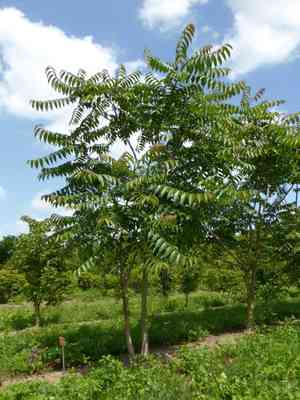
Ailanthus altissima flourishes in locations receiving at least six hours of direct sunlight each day.
2
While the Tree of heaven can endure some partial shade, it achieves its most vigorous growth in full sun.
3
Signs of insufficient sunlight, such as burned foliage and restricted development, should be monitored.
Optimal Sunlight Requirements for the Tree of heaven
Full Sun Exposure
The Tree of heaven (Ailanthus altissima) is a hardy, fast-growing species that flourishes in full sun. This means the tree benefits most from at least 6 hours of direct sunlight daily. Full sun exposure helps the Tree of heaven develop strong stems and vibrant leaves, ensuring it reaches its maximum growth potential. When deciding where to plant, select an unshaded spot where it can absorb the sun's rays.
Partial Shade Toleration
Although the Tree of heaven thrives in full sun, it can also withstand partial shade. However, be aware that growth may be slower, and the tree's overall vigor might be reduced in shaded conditions. Partial shade indicates the tree will receive direct sunlight for 3 to 6 hours daily or filtered sunlight throughout the day. For those with limited full sun areas, situating the Tree of heaven where it gets morning sun but afternoon shade can be a viable option.
How to Identify Proper Lighting Conditions for Tree of heaven
Morning Sun vs. Afternoon Sun
The Tree of heaven can do well with both morning and afternoon sun; however, each offers distinct advantages. Morning sun is typically less intense, aiding in moisture retention, making it a good choice if dehydration is a concern. Afternoon sun, conversely, is stronger and lasts longer, providing the necessary energy for ideal growth. Balancing these can help ensure your Tree of heaven receives balanced light exposure.
Seasonal Sunlight Variations
Seasonal shifts can influence the amount of sunlight your Tree of heaven receives. During spring and summer, the sun is higher and more direct, offering ample light for your tree. In contrast, fall and winter bring a lower sun angle, resulting in fewer hours of daylight. To help your Tree of heaven thrive all year, observe seasonal sun patterns and adjust its position or provide supplemental lighting during shorter days, if needed.
Common Sunlight Problems for Tree of heaven
Symptoms of Sun Stress
Even though the Tree of heaven is robust, it can still suffer from sun stress. Symptoms include scorched leaves, which appear burnt or crispy at the edges, and stunted growth. If your tree shows these signs, it might be getting too much sun or experiencing other environmental stressors, such as insufficient water.
Overexposure Risk
While sunlight is essential, overexposure can harm the Tree of heaven. Extended periods of intense sunlight without adequate water can lead to leaf scorch and dried-out roots. To prevent this, ensure your tree is well-hydrated, especially during peak sun hours and warmer seasons. Mulching around the base can also help retain soil moisture.
Underexposure Issues
Conversely, insufficient sunlight can hinder the Tree of heaven's growth and result in leggy, weak branches. If you notice your tree struggling to grow or its foliage losing its vibrant color, it may be due to underexposure. Try relocating it to a brighter spot or pruning nearby plants/tree branches to allow more sunlight to reach it.
Improving Sunlight Access for Your Tree of heaven
Strategic Planting Locations
Choosing the correct location is crucial for ensuring your Tree of heaven receives sufficient sunlight. Look for open areas away from tall buildings or dense forests that cast significant shadows. Planting on the south or west side of your yard typically provides the most direct sunlight throughout the day, especially in northern latitudes.
Pruning for Better Light Penetration
Regular pruning can significantly improve sunlight penetration for your Tree of heaven. By trimming overgrown branches and removing foliage that blocks light, you can ensure sunlight reaches the tree's inner parts. Additionally, pruning enhances air circulation, which is beneficial for overall plant health and growth.
Using Reflective Surfaces
Another effective method to improve your Tree of heaven's light access is by utilizing reflective surfaces. Placing reflective materials like aluminum foil or white-painted boards around the tree can help direct additional light onto shaded sections. This technique is particularly useful in urban gardens or areas with limited direct sunlight.
FAQ: Sunlight Needs for the Tree of heaven
Can Tree of heaven Grow Indoors?
While the Tree of heaven is typically cultivated outdoors where it can access unrestricted sunlight, it is not advisable for indoor growth. The tree demands a substantial amount of direct sunlight, and replicating these conditions indoors can be challenging. However, if attempted, place the tree in the sunniest available spot and consider using grow lights to supplement natural light.
What Time of Day is Best for Sunlight Exposure?
For optimal sunlight exposure, the Tree of heaven benefits most from morning and mid-day sun. Morning sun is gentle and helps the tree initiate photosynthesis early, while mid-day sun provides the intense energy boost required for growth. If afternoon sun is too harsh due to the climate, offering some shade during peak hours can help alleviate potential heat stress.



