How Much Sunlight Do Century plant Need?
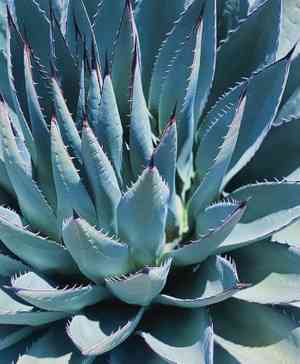
1
Century plants flourish optimally when receiving over six hours of direct sun each day.
2
Although it can withstand some shade, the Century plant might not achieve its fullest growth potential.
3
Excessive light exposure manifests as burned leaves, whereas drooping or yellowing foliage suggests inadequate illumination.
Optimal Illumination for Century Plant
Full Sunlight Requirements
The Century plant, a well-known succulent, prospers under direct sunlight. To genuinely thrive, this species requires at least six hours of unobstructed solar exposure daily. This makes it an excellent choice for luminous gardens, patios, and any outdoor area with abundant light. Intense sun helps maintain the plant's robust structure and vibrant hues.
Partial Shading Considerations
While the Century plant can endure some partial shade, these are not ideal conditions for peak growth. Partial shade implies the plant receives a mix of direct sunlight and some obstruction, typically less than six hours of direct sun daily. In such environments, the plant may not develop as vigorously, often leading to slower growth and potentially less striking foliage. If you reside in a region with extremely hot summers, offering partial shade during the most intense afternoon sun can prevent leaf burn.
Indoor Versus Outdoor Light Needs
Cultivating a Century plant indoors presents unique challenges and requirements. While indoor growth is feasible, ensuring sufficient light is critical. Position them near a south-facing window to ensure ample solar exposure. If natural light is inadequate, consider supplementing with grow lights. Outdoors, these plants naturally receive more direct sunlight, simplifying the fulfillment of their light demands.
How to Ensure Peak Illumination for Century Plant
Monitoring Light Levels
To guarantee your Century plant receives the correct amount of sunlight, actively observe its light exposure. You can employ a light meter to gauge light intensity, aiming for over 10,000 lux for robust development. Alternatively, consistent daily observation will help you determine the hours of direct sunlight the plant receives.
Utilizing Reflective Surfaces
Reflective surfaces can be an effective strategy for maximizing sunlight for your Century plant. Position the plant near light-colored walls or use reflective materials such as aluminum foil to direct extra light onto the plant. This is particularly beneficial in interior settings or shaded areas where natural light might be insufficient.
Adjusting Plant Placement
Another method to ensure optimal light conditions is by altering your Century plant's position. If grown indoors, periodically rotate the plant to ensure all sides get equal sunlight. For outdoor plants, consider relocating the pot to different spots throughout the year to align with the sun's seasonal movements.
Signs of Excessive or Insufficient Light for Century Plant
Symptoms of Overexposure
Excessive exposure to direct sunlight can result in leaf scorching for Century plants. Indications include browning or crisping along the edges of the foliage. In severe instances, leaves can become excessively dry, brittle, and even cracked. If these symptoms are observed, consider providing some afternoon shade, especially during intense summer days.
Indicators of Inadequate Light
Conversely, insufficient light can lead to several issues. If your Century plant isn't getting enough sun, you might notice it becoming etiolated—meaning the stems are longer than usual and appear stretched. Additionally, the plant may begin to yellow or droop. Should you encounter these signs, it's time to find a brighter spot for your plant.
Corrective Actions
If your Century plant exhibits signs of light-related stress, remedial actions can help restore its health. For overexposure, move the plant to a partially shaded area, particularly during peak sun hours. Barriers like sun shades can also be used to lessen intensity. For insufficient light, boosting the plant's exposure by relocating it to a sunnier spot or investing in artificial grow lights can be beneficial.
Seasonal Light Changes for Century Plant
Summer Sun Requirements
During summer, your Century plant will thrive in abundant sunlight, but be wary of extreme heat. Too much intense sunlight combined with high temperatures can cause scorched leaves. Offering some afternoon shade can prevent potential damage while maintaining the plant's optimal health.
Winter Light Adaptations
As winter arrives, sunlight diminishes in intensity and daylight hours shorten. If growing outdoors, ensure the plant remains in a location that receives the maximum possible light. For indoor plants, you might need to supplement with grow lights to guarantee they receive enough illumination to stay healthy during the darker months.



