How Much Sunlight Do Indian mint Need?
1
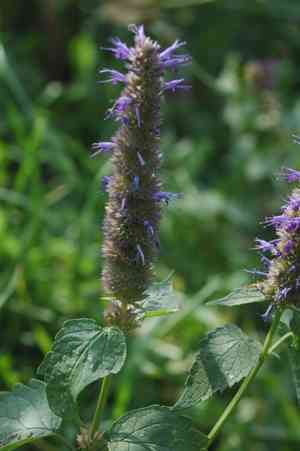
Indian mint thrives with approximately six hours of sun exposure each day.
2
Employing reflective materials can enhance the amount of light received.
3
Watch for indicators of overexposure to sun, such as scorched leaves or drooping.
Deciphering Indian Mint's Illumination Requirements
The Indispensable Role of Light for Indian Mint
Light is crucial for photosynthesis, allowing Indian mint to generate the energy required for its development and growth. Sufficient light promotes vibrant foliage and robust stems, enhancing the plant's overall health. It also boosts essential oil production, which is vital for Indian mint's distinctive aroma and taste.
Optimal Light Conditions for Indian Mint
Indian mint flourishes best in full sun, meaning it ideally receives over 6 hours of direct sunlight daily. This exposure helps the plant reach full maturity and produce flavorful leaves. Nonetheless, it's quite adaptable and can endure varying light conditions, making it a flexible garden addition.
Quantifying Indian Mint's Sunlight Needs
Indian Mint in Abundant Sunlight
Cultivating Indian mint in full sun is highly advisable. More than 6 hours of daily sunlight encourages vigorous growth, rich coloration, and peak essential oil yield. However, it's essential to ensure consistent watering to prevent dehydration during warm summer periods.
Indian Mint in Moderate Sunlight
While Indian mint favors full sun, it can still thrive adequately in partial sun. Partial sun areas receive 3-6 hours of daily sunlight. Under these conditions, the plant might not achieve its maximum potential in terms of leaf size and oil concentration but will remain healthy and functional.
Indian Mint in Shaded Areas
Indian mint may struggle in complete shade, defined as less than 3 hours of direct sunlight daily. In such environments, you might observe elongated growth and diminished leaf production. If planting in shaded spots is necessary, consider moving it periodically or employing reflective surfaces to augment light exposure.
Strategies for Enhancing Indian Mint's Light Exposure
Selecting the Appropriate Site
For prime growth, choose a garden location that receives continuous sunlight throughout the day. South-facing spots are generally preferred in the Northern Hemisphere. Steer clear of areas obscured by structures, trees, or other large flora.
Employing Reflective Materials
To amplify light exposure, particularly in partially shaded zones, you can utilize reflective materials such as aluminum foil or walls painted white. These surfaces redirect additional light onto the plant, helping to increase its total light absorption.
Managing Light Across Seasons
Be cognizant of seasonal variations in light. During winter months, when light is scarcer, you might need to relocate your Indian mint to a brighter position or even consider supplemental grow lights to sustain healthy development.
Typical Light-Related Issues and Their Resolutions
Indicators of Excessive Light
Indian mint subjected to too much light might display symptoms such as browning or crisping leaf edges. This suggests sunburn, and the plant may require increased watering or temporary shading during peak sunlight hours.
Indicators of Insufficient Light
When Indian mint lacks adequate light, it can become leggy, characterized by stretched stems and small, sparse foliage. In such instances, move the plant to a brighter location for improved growth.
Adjusting Light Exposure Gradually
If you need to modify light exposure, do so progressively. Abrupt alterations can shock the plant. For example, transition it gradually into more shaded or sunny areas over several days to a week.
Frequently Asked Questions Regarding Indian Mint and Light
Can Indian mint be grown indoors without direct light?
Yes, Indian mint can be cultivated indoors, but it will necessitate indirect light or supplemental grow lights. Position it near a south or west-facing window to maximize natural light and consider additional lighting if natural illumination is inadequate.
What is the optimal time for Indian mint to receive light?
Morning light is often most beneficial for Indian mint, as it's less intense and reduces sunburn risk. However, ensuring a total of 6 hours spread throughout the day will greatly benefit the plant.
How can Indian mint be shielded from sunburn?
To protect Indian mint from sunburn, especially in extremely hot conditions, provide partial shade during peak sunlight hours. Consider using a lightweight garden fabric or strategically placing taller plants to offer some cover without entirely blocking light.



