How Much Sunlight Do Anise hyssop Need?
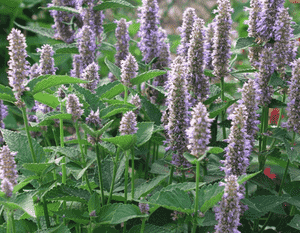
1
Anise hyssop flourishes optimally with a minimum of 6 hours of direct sun each day.
2
Although Anise hyssop can endure some shade, complete sun exposure promotes superior development.
3
Observe Anise hyssop for indications of too much sun, like burned leaves.
Ideal Light Conditions for Anise Hyssop
Full Sun Requirements
For flourishing Anise hyssop, ample sunlight is crucial. This plant thrives with a minimum of six hours of direct sun daily. Full sun exposure promotes vigorous development, vibrant leaves, and abundant blooms. It's best to plant Anise hyssop where no obstructions will block sunlight. Position the plant in a garden area with consistent, plentiful sunlight throughout the day. This ensures the plant has sufficient energy for growth and beautiful flowers.
Partial Shade Tolerance
Although Anise hyssop prefers full sun, it can endure partial shade, especially in regions with extremely high temperatures. If planting in partial shade, ensure the plant receives at least 4-6 hours of sunlight daily. Morning sun is particularly beneficial, as it helps the plant begin photosynthesis early, boosting its growth throughout the day.
Optimal Placement for Anise Hyssop
Ideal Garden Spots
Select a garden location that receives uninterrupted sunlight for most of the day. Flat, open areas are preferred to guarantee consistent light exposure. Furthermore, planting near light-reflecting structures, such as pale walls or fences, can maximize the light Anise hyssop receives. Careful site selection ensures optimal growth and a healthy plant.
Container Planting Tips
If garden space is limited, Anise hyssop can flourish in pots placed on sunny patios, balconies, or verandas. Ensure the container has good drainage and is large enough to accommodate the plant's root system. Movable containers allow you to adjust the plant's position for maximum sunlight exposure, adapting to seasonal light changes.
Seasonal Light Changes for Anise Hyssop
Spring and Summer Light Needs
During spring and summer, Anise hyssop should receive abundant sunlight as days are longer and brighter. Ensure the plant is in full sun during these months to encourage lush growth and flowering. Spring is also an excellent time to establish newly planted Anise hyssop, as increasing sunlight and warming soil provide ideal growing conditions.
Fall and Winter Adjustments
In fall and winter, sunlight diminishes, which can impact Anise hyssop's growth. If the plant is in a fixed garden spot, there's little you can do to alter natural daylight. However, for potted plants, consider moving them to the sunniest part of your home or garden. Using grow lights during darker months can also supplement natural sunlight, ensuring Anise hyssop maintains healthy foliage and prepares for the next growing season.
Common Sunlight Issues for Anise Hyssop
Signs of Excessive Sunlight
While Anise hyssop loves sunlight, too much exposure, especially in harsh climates, can cause leaf scorch and wilting. Indicators include browning edges and a 'crispy' texture to the leaves. Ensure adequate watering to prevent heat stress and consider providing light shade during peak sun hours in the hottest months.
Addressing Insufficient Light
Inadequate light can lead to leggy growth with fewer blooms. If Anise hyssop appears stretched and pale, it likely needs more light. Moving the plant to a sunnier location or supplementing with artificial grow lights can correct this. Regularly monitoring your plant's light exposure can prevent these problems from occurring.
Optimizing Sunlight for Anise Hyssop Growth
Strategic Planting Techniques
An effective way to ensure Anise hyssop gets ample sunlight is through strategic planting. Placing it on the south or west side of your garden can provide maximum sun exposure, especially in northern climates. Additionally, avoid planting Anise hyssop near large trees or structures that cast long shadows, compromising the necessary sunlight.
Using Reflective Surfaces
Boost sunlight exposure by employing reflective surfaces. Mirrors, white gravel, or light-colored walls can bounce extra light onto the plant. This method is particularly useful in urban gardens where space and direct sunlight might be limited. It can help ensure your Anise hyssop receives consistent light throughout the day.



