How Much Sunlight Do Red buckeye Need?
1
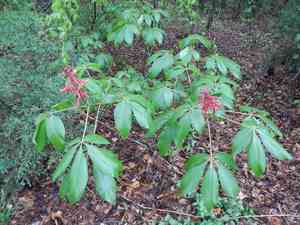
Red buckeye thrives in partial shade, performing optimally with morning light and afternoon cover.
2
Indications of excessive sun exposure involve scorched leaves and diminished development.
3
To modify light levels, contemplate choosing an appropriate planting site and employing a shade fabric.
Optimal Light Conditions for Red buckeye
Partial Shade Preference
The Red buckeye, a lovely and hardy tree, flourishes best in partial shade. It enjoys some sun exposure but also benefits from relief during intense midday light. While it can endure full sun to a degreeâespecially with over 6 hours of daily sunlightâit's best to provide some shelter from direct sun to enhance its development and blooming.
Morning Sun, Afternoon Shade
The perfect setting for a Red buckeye involves morning sun followed by afternoon shade. This combination allows the plant to utilize the gentler morning rays while avoiding the severity of the afternoon sun. Morning light aids processes like photosynthesis without overheating, thus promoting healthier leaves and flowers. Therefore, finding a spot with this specific light pattern is advantageous.
Signs Your Red buckeye is Receiving Too Much Sun
Leaf Burn Symptoms
One of the initial and most evident indicators that your Red buckeye might be getting too much sunlight is leaf scorch. Leaf scorch appears as browning or burning on the leaf edges and tips, sometimes covering larger areas. This can result in a dull and uneven appearance. If you observe these signs, it may suggest a need to re-evaluate your plant's sun exposure.
Diminished Growth
Another sign that your Red buckeye is experiencing excessive sunlight is reduced growth. If the tree begins to grow slower than usual, or new shoots and leaves appear less frequently or robustly, it could be a reaction to too much direct sunlight. A shade-intolerant tree under prolonged direct light can suffer stunted growth, making it crucial to monitor and adjust light conditions as necessary.
Indicators of Insufficient Sunlight for Red buckeye
Sparse Blooms
While too much sunlight can be problematic, inadequate sunlight can also cause issues for the Red buckeye. A clear sign of insufficient light is sparse flowering. The red blossoms of the Red buckeye are a major draw; however, if the tree isn't getting enough sunlight, it may produce fewer flowers or none at all. Ensuring sufficient light is crucial for promoting healthy and abundant blooming.
Leggy Development
Insufficient sunlight can also lead to leggy growth in your Red buckeye. Leggy growth means the plant stretches towards the light source, resulting in elongated and often weaker stems. This can make the tree look sparse and unhealthy. If you notice this stretching behavior, it indicates the plant is seeking more light and may need to be moved to a sunnier spot or have light-blocking obstacles removed.
Best Practices for Adjusting Light Exposure
Choosing the Ideal Planting Site
One of the most effective ways to ensure your Red buckeye receives the correct amount of sunlight is by selecting an optimal planting location. Look for an area that provides morning sun and afternoon shade, such as the eastern side of your home or beneath the filtered light of larger trees. This strategic placement will help the plant achieve ideal growth conditions from the outset.
Utilizing Shade Cloth
If creating the perfect natural light environment proves difficult, consider using a shade cloth. Shade cloth can be an excellent tool to shield your Red buckeye from overly harsh sunlight, especially during peak summer months. By draping shade cloth over the tree or creating a canopy, you can filter the sunlight, allowing enough through while providing necessary protection. This method is particularly useful in regions where intense sun exposure is unavoidable.
Seasonal Light Adjustments for Red buckeye
Spring and Autumn Considerations
As seasons change, so do the light requirements of your Red buckeye. In spring and autumn, sunlight intensity is generally milder, making these seasons perfect for ensuring the tree gets enough light without the risk of scorching. During these periods, you might not need to provide as much artificial shade, allowing your tree to absorb natural conditions.
Summer Protection Strategies
Summer demands extra vigilance when caring for your Red buckeye. The sun can be at its most intense, so protection strategies are essential. Applying mulch around the tree's base can help retain soil moisture and lower soil temperature. Additionally, maintaining consistent watering routines will help the tree cope with drier conditions. Implementing shade solutions, like shade cloth, will further protect the tree from the harsh midday sun, promoting healthier and more robust growth.



