How Much Sunlight Do Baobab Need?
1
Baobab trees flourish most effectively with abundant sunlight, requiring a minimum of 6 hours of direct solar exposure daily.
2
A lack of adequate light can result in your Baobab developing sparse leaves and inhibited development.
3
If growing Baobabs indoors, think about utilizing supplemental grow lamps to augment available natural light.
Optimal Solar Exposure for Baobab Trees
Ample Sunlight for Vigorous Development
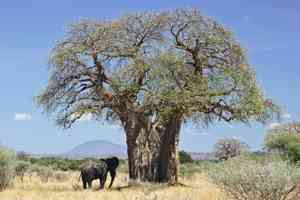
The Baobab tree, originating from African savannas, flourishes when exposed to full sunlight. This indicates your Baobab requires a minimum of 6 hours of direct sun daily to maintain robust health. Sunlight is crucial for photosynthesis, allowing the plant to generate the energy needed for growth and vitality. With sufficient solar exposure, a Baobab can cultivate a sturdy trunk, abundant foliage, and its signature bottle-like form.
Consequences of Insufficient Sunlight on Baobab
Without adequate sunlight, Baobab trees can suffer considerably. Their foliage might become sparse, and development could be stunted. A lack of light hinders the tree's capacity to produce energy via photosynthesis, leading to poor health and vigor. Frequently, the tree may develop an elongated appearance, with a stretched trunk and widely spaced leaves, which detracts from its distinct aesthetic and well-being.
How to Guarantee Proper Sunlight for Indoor Baobabs
Placing Your Baobab Near Windows
For those nurturing Baobabs indoors, positioning is vital. Placing your tree close to south-facing windows can offer the maximum amount of sunlight throughout the day. Windowsills or areas with plentiful natural illumination are ideal. Periodically rotating the tree is also beneficial to ensure all sides receive equal sun exposure, fostering balanced growth.
Employing Artificial Grow Lamps
In situations where your indoor area lacks sufficient natural light, artificial grow lamps can be transformative. Utilize full-spectrum LED grow lights positioned a few feet above the tree to replicate natural sunlight. Ensure the lights are active for approximately 12-14 hours daily to compensate for the natural light deficit, enabling your Baobab to thrive indoors.
Seasonal Sunlight Modifications for Baobab
Managing Sunlight During Warm Months
Summer brings an abundance of natural light, but correct management is essential. While Baobabs adore the sun, intense, direct midday sun can occasionally be excessive, especially for younger trees. Consider placing your plant where it receives morning sun and some afternoon shade. This approach helps prevent sunburn while still providing ample light for development.
Ensuring Sufficient Light in Colder Seasons
Winter months present shorter days and weaker sunlight, which can challenge your Baobab. Relocate the plant to the brightest spot in your home, ideally a south-facing window. However, this might not always be enough. To compensate, continue using artificial grow lights to ensure your plant receives the necessary illumination and remains healthy through the darker periods.
Common Sunlight-Related Issues and Remedies
Indicators of Sunburn in Baobab
Sunburn can be a legitimate concern for Baobab trees, particularly those cultivated in regions with extremely intense sunlight. Observe for signs such as brown or white patches on the leaves, which signify damaged tissue. To avert sunburn, gradually acclimatize your Baobab to full sun by slowly increasing its exposure over several weeks. If you notice sunburn signs, provide some midday shade and mist the leaves to aid recovery.
Addressing Elongated Growth Due to Low Light
When a Baobab does not receive enough sunlight, it can exhibit leggy growth, characterized by long, weak stems with spread-out leaves. To counteract this, first ensure the tree is situated in the brightest available location. Utilize grow lights as a supplement if natural light is inadequate. Prune leggy stems to encourage bushier growth and prevent the plant from wasting energy on feeble branches.



