How Much Sunlight Do Sweet flag Need?
1
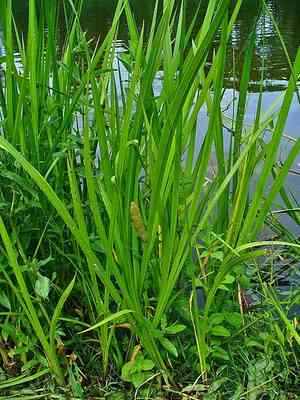
Acorus calamus flourishes in bright sun, needing more than six hours of direct light each day.
2
Although Acorus calamus tolerates some shade, it grows optimally with abundant illumination.
3
Indicators of insufficient light are diminished growth and foliage discoloration.
Optimal Light Requirements for Sweet flag
Preferred Light Intensity
For Sweet flag, light is a vital element of its upkeep. This hardy plant thrives in full sun, meaning it flourishes in settings where it receives over 6 hours of direct sunlight daily. If you plan to plant Sweet flag in your garden, choose a spot that gets abundant bright sun throughout the day. Providing sufficient light will promote vigorous development and help this plant reach its full potential.
Duration of Light Exposure
Regarding duration, Sweet flag benefits from consistent, extended periods of sun exposure. Aiming for at least 6-8 hours of sunlight daily will support healthy growth. Gardens and spots that get morning sun and some afternoon shade can still work well, but the more sunlight your Sweet flag receives, the better it will perform. Just ensure the plant isn't exposed to harsh, scorching afternoon sun without any protection, especially during peak summer heat.
Can Sweet flag Endure Shade?
Partial Shade Tolerance
Sweet flag shows considerable adaptability and can handle partial shade. This makes it suitable for environments where full sunlight isn't always guaranteed. Partial shade refers to situations where the plant might get around 4-6 hours of sunlight, typically in the morning or late afternoon, combined with shaded hours during midday. While the plant may not grow as strongly in these conditions compared to full sun, it will still remain healthy and relatively vibrant.
Full Shade Impact
Full shade is a different scenario for Sweet flag. Extremely low light conditions can negatively affect the plant's development and overall health. Full shade, generally defined as less than 3 hours of sunlight, may result in weaker stems, fewer blooms, and a dull appearance. If you notice your Sweet flag in a full-shade environment, consider relocating it to ensure it gets adequate light.
Effects of Insufficient Light on Sweet flag
Indicators of Low Light Stress
Inadequate sunlight can cause several stress signs in Sweet flag. Common indicators of low light stress include yellowing leaves and a general lack of vitality. The plant may appear weak or stunted, with fewer flowers and overall poor aesthetic appeal. If you observe these symptoms, it's crucial to assess if your plant is receiving enough sunlight and make necessary adjustments.
Growth Consequences
Insufficient sunlight doesn't just impact appearance; it also affects the growth rate. Sweet flag that doesn't get enough light will likely grow more slowly, fail to reach its full height, and produce fewer leaves and flowers. In severe cases, the plant may even become more vulnerable to diseases. Ensuring optimal sunlight conditions not only keeps your plant looking good but also supports its structural integrity and resistance to pests and diseases.
Adjusting Light Exposure for Optimal Growth
Indoor Cultivation Advice
For those wishing to grow Sweet flag indoors, placement is key. Position your plant near a south-facing window where it can absorb ample sunlight. If natural light is insufficient, consider using grow lights to supplement and ensure the plant gets its required light dose. Adjusting the light distance and duration can mimic natural sunlight conditions, helping your Sweet flag thrive indoors just as it would outside.
Outdoor Strategy
When cultivating Sweet flag outdoors, choose a spot that provides optimal sun exposure. Gardens with eastern or southern orientations are ideal as they receive extensive morning and early afternoon sun. If your garden has areas prone to intense afternoon sun, providing some form of shade, like a larger nearby plant or a shade cloth, can help reduce stress from excessive heat. Monitoring and adjusting the plant’s location based on seasonal light changes can also enhance growth.
Frequently Asked Questions about Sweet flag and Light
Can Sweet flag Flourish in Indirect Light?
Yes, Sweet flag can adapt to indirect light, though its growth might not be as vigorous. If you have a location that offers bright, indirect light for most of the day, the plant can still thrive. However, ensure it gets at least a couple of hours of direct sunlight to maintain optimal health and growth.
How to Prevent Sunburn on Sweet flag?
Despite its preference for full sun, excessive direct sunlight can sometimes cause sunburn, especially during extremely hot periods. To prevent this, gradually acclimate new plants to the outdoor environment, and consider using shade cloths during the peak midday sun. Regular watering and mulching can also help keep the roots cool and lessen the risk of sun damage.



