How Much Sunlight Do Shandong maple Need?
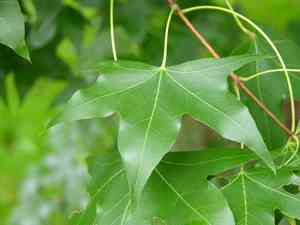
1
The Shandong maple is well-suited to flourish in environments ranging from full sun to dappled light.
2
For optimal development and intensely colored leaves, ensure it receives more than six hours of direct sunlight each day.
3
Excessive solar exposure may lead to heat stress and burn marks on the leaves.
Optimal Light Requirements for Shandong Maple
Abundant Sun Exposure
The Shandong maple flourishes best with ample sunlight, being a heliophilous tree. Full sun indicates the tree should receive at least six hours of direct solar radiation daily. This level of exposure fosters robust development, intensifies leaf coloration, and contributes to a strong arboreal form.
Adaptability to Partial Shade
Although the Shandong maple tolerates full sun, it also demonstrates notable versatility by prospering in partial shade. This adaptability is particularly beneficial for landscapes with varying illumination. In partial shade, the tree benefits from gentle, diffused light for part of the day, which can prevent excessive exposure to intense sunlight.
Seasonal Light Adaptations
The Shandong maple also adjusts effectively to seasonal shifts in light availability. During spring and early summer, the tree benefits from plentiful sunlight, which energizes new growth and the emergence of dense foliage. In autumn, as daylight decreases, the tree's requirements are less stringent, aligning with its natural preparation for winter dormancy.
Consequences of Excessive Sun for Shandong Maple
Symptoms of Heat Stress
One of the initial indicators that your Shandong maple is receiving too much sun is heat stress. Symptoms include leaf wilting, curling, and dry, brittle branches. Prolonged stress can render the tree more vulnerable to diseases and pests.
Leaf Scorch Damage
Leaf scorching is another frequent issue when the Shandong maple is exposed to extreme sun and heat. Leaf margins and tips turn brown, and the foliage may appear burned. This damage is often irreversible and can significantly impair the tree's overall vitality and aesthetic appeal.
Alleviating Sun Overexposure
To avert sun overexposure, consider providing your Shandong maple with some afternoon shade during the peak summer months. Applying mulch around the tree's base aids in retaining soil moisture and reducing thermal stress. Furthermore, appropriate irrigation practices, ensuring consistently moist (but not saturated) soil, can lessen the detrimental effects of excessive sunlight.
Shandong Maple Growth in Low Light Conditions
Minimum Light Tolerance
While the Shandong maple prefers bright conditions, it can endure minimal sunlight. However, this should not be equated with thriving. In low-light environments, the tree's growth rate significantly decelerates.
Impact on Growth in Shade
In heavily shaded locales, the Shandong maple might not achieve its full potential in terms of size and vigor. Its leaves could appear less vibrant, and the tree's overall structure may become sparse and weak. Extended periods in the shade can also hinder the tree's capacity to produce healthy, new growth.
Indicators of Insufficient Light
Key signs of inadequate light include elongated, spindly branches and sparse foliage primarily at the branch tips. If your tree looks pale or struggles to generate new leaves, it may be signaling a need for more light.
Optimizing Light for Shandong Maple
Location Selection Guidance
Selecting the correct planting site is vital for the Shandong maple. Choose a spot that receives ample morning sun while offering some defense from intense afternoon solar radiation. East or southeast-facing orientations are frequently ideal.
Adjusting Light Exposure
If your current Shandong maple is in a less-than-optimal position, consider relocating it to a more suitable site. Alternatively, you can prune nearby plants and trees that might be casting excessive shadow on your maple. This adjustment will help improve light penetration.
Protective Strategies
To safeguard your Shandong maple during extreme sunlight conditions, you can employ shade cloths or other temporary shading solutions. Mulching and regular watering also play a crucial role in maintaining the tree's health and resilience against harsh sun exposure.



