How Much Sunlight Do Sycamore Need?
1
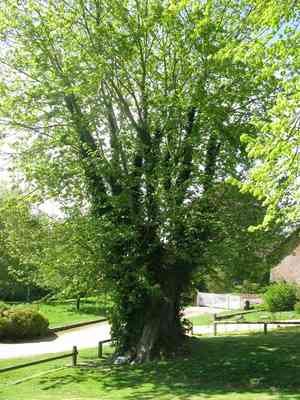
A Sycamore tree flourishes optimally with ample direct sun exposure, requiring more than six hours of daylight each day.
2
Sycamore trees can also tolerate conditions with some shade, though their development may be less vigorous.
3
If a Sycamore's leaves turn yellow, it could signal insufficient light exposure.
Optimal Light Conditions for Sycamore Trees
Full Sun Exposure
For best development, Sycamore trees should be situated where they receive ample direct sunlight. Full sun means at least six hours of direct sun daily. This level of exposure enables efficient photosynthesis, leading to vigorous growth and lush foliage.
Partial Shade Tolerance
While Sycamores prefer full sun, they can endure partial shade. This implies they can thrive in areas getting approximately 3-6 hours of daily sunlight. However, their growth and health might not be as robust as when they are in full sun conditions.
Daily Sunlight Hours
The amount of sunlight a Sycamore receives significantly impacts its development. Ideally, these trees require 6 to 8 hours of sunlight each day. In environments with less light, it's crucial to observe the tree for stress indicators and provide necessary light exposure.
The Importance of Sunlight for Sycamore Growth
Photosynthesis Process
Sunlight is vital for photosynthesis, the process by which plants convert light energy into chemical energy. For Sycamore trees, sufficient sunlight allows them to produce food, supporting their growth and development. Insufficient light hinders photosynthesis, potentially stunting growth.
Chlorophyll Production
Chlorophyll, the pigment in leaves, captures sunlight for photosynthesis. In Sycamore trees, consistent sunlight boosts chlorophyll production, maintaining vibrant and healthy leaves. Conversely, inadequate sunlight can decrease chlorophyll levels, causing leaves to yellow and lose their rich green hue.
Disease Resistance
Adequate sunlight helps Sycamore trees develop resistance to diseases. Sunlight supports the tree's overall health, making it more resilient to fungal infections and pest infestations. A healthy, well-lit tree can better ward off pathogens and flourish in its environment.
Indicators Your Sycamore Needs More Sunlight
Yellowing Leaves
Yellowing leaves often signal that your Sycamore may require more sunlight. If leaves begin to yellow, especially within the inner canopy, it could mean the tree isn't photosynthesizing effectively due to insufficient light.
Slow Growth
If your Sycamore tree exhibits slow growth, it might be due to inadequate sunlight. Insufficient light can impede the tree's development, resulting in a weaker and less healthy specimen over time. Monitoring the growth rate of new branches and leaves can help determine if the tree is receiving enough sunlight.
Lack of New Shoots
A scarcity of new shoots or buds on your Sycamore tree can indicate a need for more sunlight. New growth is essential for the tree's development and vitality. If you observe fewer new branches or leaves forming, it may suggest the tree isn't getting the sunlight it needs to thrive.
Ensuring Your Sycamore Receives Sufficient Sunlight
Site Selection
Choosing the correct planting location for your Sycamore is crucial for ensuring adequate sunlight. Select an open area in your yard, free from obstructions like buildings or other trees. An ideal spot receives direct sunlight for most of the day.
Pruning for Light Penetration
Pruning your Sycamore trees can improve light penetration to all parts of the tree. Remove overly dense or overlapping branches that might shade portions of the tree. This practice ensures sunlight reaches lower and inner branches, promoting uniform growth.
Avoiding Obstructions
Ensure no man-made structures, large trees, or other impediments block sunlight from reaching your Sycamore. This might involve trimming nearby trees or moving objects that cast significant shadows over your tree. Keeping the area clear allows for maximum sun exposure.
Consequences of Excessive Sun Exposure for Sycamore
Sunburn Signs
Indeed, trees can get sunburned! If your Sycamore is exposed to intense, prolonged direct sunlight, its leaves may develop sunburn spots. These appear as white or brown patches on the leaves and can negatively impact the tree's overall health.
Heat Stress
Excessive heat combined with too much sunlight can cause heat stress in Sycamore trees. Symptoms include wilting leaves, scorched leaf edges, and a general decline in vigor. Providing some shade during peak heat can help alleviate this issue.
Leaf Scorch
Leaf scorch is another condition resulting from too much sunlight, especially when coupled with hot, dry weather. Leaves may appear burnt around the edges and become crispy. Ensuring the tree is well-watered can help prevent leaf scorch, though avoiding overexposure to harsh sunlight is the best solution.



