How Much Sunlight Do Faber's maple Need?
1
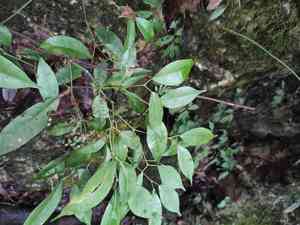
Faber's maple flourishes in direct sunlight yet can endure some dappled light.
2
Observe the hue and feel of leaves to identify problems related to sun exposure.
3
Seasonal shifts in light necessitate modifying care routines for Faber's maple.
How Much Sunlight Does Faber's maple Need?
Understanding the Light Requirements
For your Faber's maple to thrive and stay healthy, grasping its light needs is key. This plant flourishes best in full sun, meaning it requires at least 6 hours of direct sunlight daily. This light level ensures efficient photosynthesis, leading to robust growth and vibrant leaves. While it can endure partial shade (around 3-6 hours of sun), less light can hinder its development and diminish leaf color.
Optimal Sunlight Hours
For peak health, place your Faber's maple where it can get full sun. Ideally, the plant should receive this sunlight in the morning, as afternoon sun can be too strong. Morning light is typically gentler and provides essential energy without risking leaf scorch. This practice encourages stronger growth, better coloration, and overall tree vitality.
Adapting to Different Seasons
As seasons shift, the available sunlight can change considerably. In summer, with longer days, your Faber's maple will likely get its required 6 hours of sun. However, in winter, sunlight is weaker and days are shorter, meaning your plant might receive less light. It's vital to observe the tree and adjust care as needed. For instance, in winter, you might need to move the tree to maximize sun exposure or consider using supplementary artificial light if necessary.
What Happens if Faber's maple Gets Too Much Sunlight?
Signs of Sunburn in Leaves
Just like people, plants can suffer from excessive sun exposure. For Faber's maple, too much sunlight can cause leaf sunburn. Symptoms include browning or yellowing of leaves, especially at the edges or tips. The leaves might also become dry and brittle. Regularly check for these signs to ensure your plant isn't getting too much sun.
Preventing Sun Damage
To avoid sun damage, don't move your Faber's maple directly from a shaded area into full sun; this sudden change can shock the plant. Gradually introduce the tree to new light conditions, allowing it time to adjust. Additionally, during particularly hot periods, consider temporary shade solutions like a shade cloth to protect your plant from intense sun.
Providing Shade Solutions
If your garden spot tends to get extremely hot, providing semi-permanent or temporary shade can be beneficial. This could involve placing the plant near taller trees or structures that offer partial shade during the hottest part of the day. Alternatively, use garden umbrellas or install a shade cloth to shield your Faber's maple when needed. These solutions help balance light exposure and prevent sunburn.
Can Faber's maple Survive in Low Light Conditions?
Effects of Insufficient Light
While Faber's maple can endure partial shade, prolonged exposure to inadequate light can have detrimental effects. A lack of photosynthetic light can weaken the plant, leading to slow growth and poor overall health. The leaves may appear dull and less vibrant, and the tree might become more vulnerable to diseases and pests.
Symptoms of Light Deprivation
Signs of light deprivation in Faber's maple include stretched or leggy growth, where the plant grows tall and spindly as it seeks more light. Leaves may also be smaller, and the overall density of the foliage can decrease, making the tree look sparse. These indicators suggest the plant needs more light to flourish.
Supplementing With Artificial Light
When natural light is insufficient, especially indoors or during winter, supplementing with artificial light can help. Full-spectrum grow lights are an excellent option, as they mimic natural sunlight and provide the necessary wavelengths for photosynthesis. Ensure the artificial light is positioned close to the plant and is on for the required duration to compensate for the light deficit.
Best Practices for Positioning Faber's maple
Choosing the Right Location
Selecting the correct location for your Faber's maple is vital for its well-being. When planting outdoors, choose a spot that receives ample morning sunlight and some afternoon shade. This helps maintain a balance between necessary light and protection from intense heat.
North, South, East, or West?
In the U.S., a south or southeast-facing position generally offers the best light for Faber's maple. These directions provide abundant morning light, which is ideal. Be careful not to place the plant too far north, as it might not get enough sunlight, while a west-facing location could expose the tree to harsher afternoon rays.
Adjusting for Microclimates
Microclimates within your garden can impact sunlight exposure. These are areas where local conditions like wind, elevation, and nearby structures influence the climate. Pay attention to these unique zones to determine the optimal placement for your Faber's maple. For example, a spot next to a reflective wall might receive more intense light, which could be either beneficial or harmful depending on the situation.



