How Much Sunlight Do Trident maple Need?
1
Trident maples flourish in sites receiving more than six hours of direct solar exposure daily.
2
Though full sun is ideal, this maple species can tolerate and grow in locations with partial shade.
3
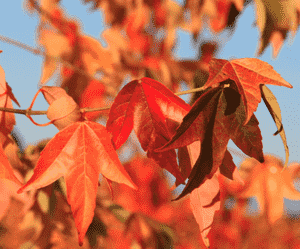
Sufficient light is crucial for the development of the striking autumn leaf colors characteristic of the Trident maple.
Optimal Sunlight Conditions for a Trident maple
Full Sun Requirements
The Trident maple (Acer buergerianum) is a lovely and adaptable tree that flourishes exceptionally when exposed to full sun. Full sun denotes a minimum of six hours of direct daylight daily. These circumstances enable the maple to fully develop its crown and display vivid leaves, especially in autumn when its foliage transforms into breathtaking shades of red and orange. Providing your Trident maple with full sun significantly impacts its health and growth rate.
Partial Shade Tolerance
While the Trident maple favors complete sunlight, it can endure partial shade, particularly in hotter climates where excessive sun exposure and heat can stress the plant. Partial shade implies the tree receives a mix of direct sun and shade throughout the day. In such conditions, the Trident maple might still grow well but may not reach its peak potential in terms of leaf density and color vibrancy. When planting in partial shade, select a spot that gets morning sun and afternoon shade to shield it from the most intense rays.
How to Identify Proper Sunlight Exposure
Morning Sun vs. Afternoon Sun
Morning sunlight is typically less intense than afternoon sunlight and is often preferred by many plants, including the Trident maple. Morning sun can assist the tree in drying off morning dew, thereby reducing the risk of fungal diseases. Afternoon sun, conversely, is more powerful and can sometimes be too harsh, especially in warm regions. Thus, if you are in a particularly hot area, ensuring your Trident maple receives more morning sun and some afternoon shade can be advantageous.
Sunlight Tracking Techniques
To confirm your Trident maple is receiving the correct amount of sunlight, consider monitoring the sunlight patterns in your garden. You can utilize sunlight tracking tools or applications, which can help you ascertain how much direct sunlight a specific area receives throughout the day. Furthermore, observing the shadow patterns over several days can provide a practical understanding of the sunlight exposure in various parts of your garden.
Effects of Inadequate Sunlight on Trident maple
Signs of Sunlight Deprivation
Without sufficient sunlight, a Trident maple might exhibit slower development, sparse foliage, and dull leaf coloration. The leaves may also become more susceptible to diseases and pests due to diminished vigor. One of the most apparent indicators is the absence of vibrant fall colors, as insufficient sunlight can hinder the leaves from achieving their bright autumn hues.
Corrective Measures
If you observe your Trident maple is not receiving enough sunlight, there are several actions you can take to rectify this. Consider pruning nearby plants or trees that might be casting excessive shade. Relocating the tree to a sunnier position might be necessary if it was initially planted in an area with insufficient sunlight. Supplemental artificial grow lights can also be helpful, especially during seasons when natural sunlight is scarce.
Best Locations for Planting Trident maple
Ideal Growing Zones
The Trident maple thrives in USDA hardiness zones 5 through 8, where it can enjoy the climatic conditions favorable for its growth. These zones offer the appropriate balance of seasonal changes, allowing the tree to flourish and display its characteristic fall foliage. Ensuring your garden is within these zones will provide the optimal environment for your maple.
Optimizing Garden Layout
When designing your garden layout, account for the future growth of the Trident maple. Plant it in a spot where it will receive ample sunlight without being overshadowed by larger trees or structures. Aim for an open area that permits both vertical and horizontal expansion, guaranteeing the maple can broaden its canopy without obstruction. This planning ensures the tree's optimal health and aesthetic appeal.
Seasonal Sunlight Considerations
Winter Sunlight Needs
During winter, the Trident maple will be dormant, requiring less sunlight compared to the active growing seasons. However, ensuring it still receives some sunlight can help the tree maintain its vitality and readiness for spring. Reduced sunlight in winter is natural and generally well-tolerated by the maple.
Summer Sunlight Precautions
In summer, while the Trident maple requires full sun, extra caution should be exercised to shield it from excessive heat and sun exposure. Mulching around the base can aid in moisture retention, and providing occasional afternoon shade, if the sun is particularly intense, can help prevent heat stress. Keep the soil consistently moist but not waterlogged to support healthy growth during the hot months.



