How Much Sunlight Do Golden wattle Need?
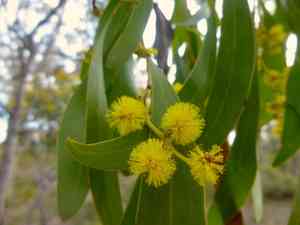
1
Golden wattle flourishes optimally in bright sun, needing more than 6 hours of direct light each day.
2
When cultivated in partial light, confirm it still gets a minimum of 4-6 hours of illumination.
3
Lack of sun can considerably affect the development and blooming of Golden wattle.
Optimal Illumination Requirements for Golden Wattle
Complete Sun Exposure
For your Golden wattle to flourish, aim for full sun exposure. This means positioning the plant where it receives a minimum of 6 hours of direct sunlight daily. These bright, sunny conditions are ideal for its vigorous development and vibrant yellow blossoms, which are a joy to behold in any garden setting.
Partial Illumination
While Golden wattle prefers full sun, it can also adapt to partial sunlight. In such conditions, ensure it still gets at least 4-6 hours of sunlight daily. Partial sun won't yield the maximum bloom potential but will support reasonably healthy growth.
Shade Intolerance
It's important to note that Golden wattle does not tolerate deep shade well. If grown in excessive shade, you might observe a lack of flowering, reduced leaf density, and slower growth. Position your plant carefully to prevent these problems.
Determining Golden Wattle's Light Needs
Assessing Foliage Health
The leaves of your Golden wattle serve as an excellent indicator of its well-being and light requirements. Look for vibrant, green leaves free from any signs of stress. If the leaves begin to yellow or brown, it may be time to modify its light exposure.
Monitoring Development Patterns
Healthy Golden wattle plants will display consistent growth and produce beautiful yellow flowers. Stunted development or elongated stems often signal insufficient sunlight. Observing these patterns can help you ascertain if your plant is receiving adequate light.
Indicators of Insufficient Light
Beyond poor growth and leaf discoloration, another clear sign of inadequate light is the stretching of stems as the plant reaches towards the light source. This indicates a need to move your plant to a brighter location.
Adjusting Light Exposure for Peak Growth
Seasonal Light Modifications
Throughout the year, the amount of sunlight your garden receives can fluctuate. In autumn and winter, you might need to move your Golden wattle to spots where it can capture more light. Conversely, during hotter summer months, ensure it isn't scorched by intense midday sun.
Utilizing Artificial Lighting
If natural sunlight is not feasible, especially for indoor plants, consider employing grow lights. These can supplement the necessary light, providing a consistent source that mimics the sun's benefits. Opt for full-spectrum LED grow lights for optimal results.
Placement of Your Golden Wattle
For outdoor plants, the south-facing side of your property typically receives the most sunlight. Indoors, position your Golden wattle near a sunny window, ideally facing south or west. This strategic placement ensures a healthy, light-rich environment for optimal development.
Common Light-Related Issues and Solutions
Leaf Scorch
If your Golden wattle is exposed to excessive direct sunlight, particularly during peak summer, its leaves may become scorched, turning brown and crispy. To prevent this, provide some shade during the hottest part of the day or slightly adjust its position.
Pale Foliage
Pale or yellowing leaves can indicate insufficient sunlight. If you notice this problem, gradually increase the light exposure to avoid shocking the plant. Moving it to a brighter spot can help restore its vibrant color.
Stunted Development
Stunted growth is often a result of inadequate light. If your Golden wattle isn't growing as expected, try increasing its daily sunlight exposure. Ensure it receives consistent light for at least 6 hours each day.



