How Much Sunlight Do Blackwood Need?
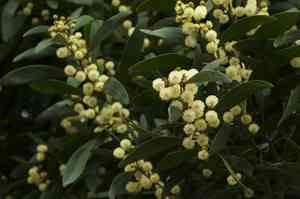
1
Blackwood flourishes optimally with more than 6 hours of direct sun each day.
2
Blackwood can endure some shade, particularly when summer temperatures are high.
3
Monitoring the plant's response is essential to ascertain its light requirements.
Ideal Light Conditions for Blackwood
Full Sun Requirements
For peak development, Blackwood trees thrive in full sun. This means they require a minimum of six hours of direct sunlight daily. Full sun exposure ensures the tree develops robust, healthy branches and vibrant foliage. In its native regions, Blackwood often experiences bright, unobstructed sunlight, which supports its vigorous growth.
Partial Shade Tolerance
While Blackwood prefers full sun, it can also endure partial shade. This is particularly beneficial during hot summer months when sun intensity can be extreme. Offering some afternoon shade can shield the tree's leaves from scorching and prevent excessive moisture loss. Partial shade doesn't imply deep shade, but some filtered light or afternoon protection can be advantageous.
Assessing Sunlight Exposure for Blackwood
Utilizing a Light Meter
To guarantee your Blackwood gets sufficient sunlight, employing a light meter can be very useful. Light meters gauge light intensity in a specific area, helping you position your tree optimally. For Blackwood, readings between 1,500 and 10,000 lux (140 to 930 foot-candles) are ideal. By measuring light throughout the day, you can determine if adjustments are necessary.
Observing Plant Behavior
Monitoring how your Blackwood reacts to its surroundings is a practical method to evaluate its light requirements. Robust, healthy growth with dark green leaves often signals adequate light. Conversely, if the tree appears spindly, with sparse foliage and weak branches, it might indicate insufficient sunlight. Regular observation can help you make timely changes before significant harm occurs.
Impact of Insufficient Sunlight on Blackwood
Symptoms of Too Little Sunlight
If Blackwood doesn't receive enough sunlight, you might notice several clear indicators. These include stunted growth, pale or yellowing leaves, and a general lack of vitality. The tree may also become more vulnerable to pests and diseases due to weakened immunity. Addressing these signs promptly can prevent lasting damage to your plant.
Symptoms of Too Much Sunlight
Conversely, excessive sunlight, especially under very intense conditions, can also harm Blackwood. Signs of overexposure include leaf scorch, where leaf edges turn brown, and overall wilting. Providing midday shade or ensuring ample watering can help alleviate these effects.
Corrective Actions for Sunlight Issues
To resolve sunlight problems, begin by assessing the tree's current placement. If it's not getting enough light, consider moving it to a brighter location. For overexposure, offering shade during peak sun hours or slightly repositioning the tree can help. Always ensure the tree's water needs are met, especially when modifying exposure.
Seasonal Sunlight Fluctuations and Blackwood
Seasonal Adjustments
Seasonal shifts can significantly impact the amount of sunlight Blackwood receives. During winter, the sun is lower and daylight hours are shorter. Meanwhile, summer brings longer days and more intense sunlight. It's crucial to adapt the treeâs exposure accordingly, ensuring it gets the right amount of light throughout the year.
Winter Care Tips
In winter, Blackwood may require extra protection as sunlight diminishes. Moving the tree to a spot with maximum daytime sunlight or using grow lights can compensate for shorter days. Additionally, ensure the tree is shielded from harsh winds and frost.
Summer Care Tips
During summer, the main challenge is often preventing sunburn. Providing temporary shade during the hottest part of the day can protect the leaves. Maintaining consistent watering is also vital, as the plant will likely lose more water through evapotranspiration. Mulching around the base can help retain moisture.



