How Much Sunlight Do Okra Need?
1
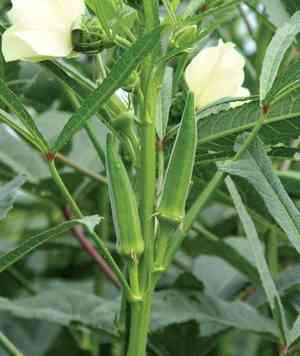
Okra flourishes when receiving a minimum of 6 hours of direct sun each day.
2
Employ light-reflecting mulches to enhance sun absorption.
3
Begin sowing Okra seeds once the threat of frost has passed in spring.
The Vital Role of Sunlight for Okra Development
Sunlight's Contribution to Photosynthesis
Sunlight is essential for Okra because it powers photosynthesis. This process allows the plant to transform solar energy into useful power, facilitating its growth and maturation. Without enough sunlight, Okra plants struggle to create the necessary carbohydrates for robust development, leading to stunted plants and reduced yields. Simply put, more sun equals more energy for your Okra, enabling them to reach full potential.
Effect on Fruit Production
Appropriate sunlight exposure directly impacts Okra's capacity to bear fruit. Sunlight promotes increased blooming and fruit setting, ensuring a plentiful harvest. Plants that lack sufficient sunlight produce fewer and smaller pods, reducing both the quantity and quality of the yield. Therefore, guaranteeing your Okra receives ample sunlight is crucial for a productive garden.
Optimal Light Requirements for Okra
Ideal Daily Sunlight Duration
Okra flourishes when it gets at least 6 to 8 hours of direct sunlight daily. This exposure guarantees they obtain the maximum energy required for vigorous growth and fruit formation. While Okra can endure some partial shade, full sun conditions are best for achieving peak pod production.
Optimal Seasons for Okra Cultivation
The best period to cultivate Okra is during warm seasons, immediately following the final spring frost. Initiating your Okra plants in mid to late spring allows them to take advantage of the progressively longer days and abundant sunshine. This timeframe also aligns with warmer soil temperatures, which are favorable for Okra seed germination and growth.
Methods to Ensure Sufficient Sunlight for Your Okra
Selecting the Proper Site
Choosing an ideal planting location is critical. Search for an area in your garden that isn't shadowed by trees or structures. Ensure your Okra plants are situated in a spot that receives unobstructed sunlight throughout the day. A south-facing garden or plot is typically the most suitable choice in many U.S. regions.
Employing Reflective Mulches
Reflective mulches can significantly enhance the amount of sunlight your Okra plants absorb. These mulches bounce sunlight onto the undersides of the leaves, boosting overall light exposure and fostering better growth. This is especially effective in garden setups where direct sunlight might be partially obstructed.
Supplementary Lighting Solutions
In instances where natural sunlight is inadequate, particularly in urban environments or regions with extended cloudy periods, consider using supplementary lighting. Grow lights can simulate natural sunlight, ensuring your Okra receives the necessary illumination for photosynthesis. Opt for energy-efficient LED grow lights that offer a full spectrum of light to support all development stages of your Okra plants.
Typical Issues Related to Sunlight Exposure for Okra
Indicators of Excessive Sunlight
Although Okra enjoys the sun, too much heat and intense light can cause stress. Symptoms of excessive sunlight include leaf scorching, where leaf edges turn brown, and wilting despite sufficient watering. If you observe these signs, consider providing some afternoon shade using garden fabric or moving the plants.
Indicators of Insufficient Sunlight
Inadequate sunlight can result in leggy plants, where Okra stems grow long and weak as they reach for light. You might also notice fewer blooms and pods, along with paler foliage. If you suspect insufficient sunlight, immediately move your plants to a brighter location or supplement with grow lights.
Balancing Light and Water Requirements
Achieving a balance between sunlight and water is crucial for optimal Okra growth. While ample sunlight supports their vigorous development, Okra plants also require consistent moisture. Ensure your plants are well-hydrated, especially on hot days, to prevent stress and maximize their sunlight utilization. Mulching around the base can help retain soil moisture and keep roots cool.
Expert Advice for Maximizing Okra Sunlight Absorption
Pruning to Improve Light Penetration
Regular pruning can help ensure that sunlight reaches all parts of the plant. Remove any shaded leaves or branches, allowing more light to reach the lower sections of the plant. This not only increases overall sunlight exposure but also encourages air circulation, lowering the risk of disease.
Arranging Plants for Optimal Light Reception
Space your Okra plants appropriately to avoid overcrowding. If planted too closely, taller plants can shade shorter ones, reducing light exposure for some. A spacing of 30-60 cm (12-24 inches) between plants ensures each Okra plant has ample room to receive sunlight and grow robustly.
Monitoring and Adjusting Based on Growth Stages
Observe your Okra plants throughout their various growth phases. Young seedlings might require partial shade to shield them from intense midday sun, while mature plants will benefit from full sun exposure. Adapt based on your observations and the specific needs of your plants to ensure they receive adequate light throughout their development.



