Optimal Soil for Growing Rain lily: What You Need to Know
1
Rain lilies flourish in soil that is somewhat acidic to neutral, having a pH between 6.5 and 7.5.
2
Properly draining soil avoids root decay, a frequent problem when rain lilies receive too much water.
3
Incorporating organic material can enhance soil structure and nutrient content for your rain lilies.
Optimal Soil Type for Rain Lily Cultivation
Understanding Well-Drained Substrate
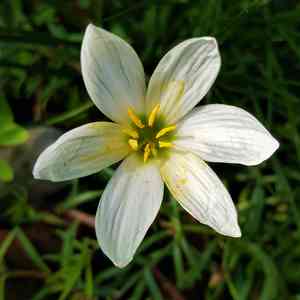
Rain lilies, also known as Zephyranthes candida, necessitate well-drained soil for optimal development. Such soil prevents water from pooling around the roots, which can lead to root decay. This occurs when the substrate permits rapid water percolation, keeping the root zone from becoming saturated. You can achieve well-drained soil by incorporating materials that enhance its structure, like sand or organic matter.
Soil Consistency: Loamy or Sandy?
For rain lilies, a blend of loamy and sandy soil is most effective. Loamy soil is excellent as it retains nutrients well while still allowing good drainage. Sandy soil, conversely, possesses large particles that offer superb aeration and drainage. A mixture of these textures ensures rain lilies receive the proper balance of nutrients and moisture retention, creating an ideal environment for their growth.
Avoiding Soil Compaction
Compressed soil can impede rain lily growth by restricting root expansion and reducing oxygen flow to the roots. To prevent soil compaction, avoid walking on the ground where your rain lilies are planted. You can also add organic material such as compost or mulch to keep the soil loose and aerated. Regular aeration of the soil by gently tilling the top layer can also help maintain its fluffy texture, promoting healthier root systems.
How to Assess Soil Quality for Rain Lily
Simple Soil Drainage Assessment
To determine if your soil has adequate drainage for rain lilies, try this straightforward test. Dig a hole approximately 12 inches (30 cm) deep and fill it with water. Allow the water to drain completely, then refill it. If the water takes over four hours to drain the second time, your soil might have drainage issues. In such cases, consider amending your soil with sand or perlite to improve drainage.
Checking Soil pH Levels
Rain lilies flourish in soil with a pH range of 6.5 to 7.5, which is slightly acidic to neutral. To test your soil's pH, you can use a home testing kit or send a sample to a local agricultural extension office. If your soil's pH falls outside this range, you may need to adjust it. For instance, adding lime can increase the pH, while sulfur or peat moss can decrease it.
Texture and Composition Analysis
To analyze your soil's texture and composition, take a small amount of moist soil and squeeze it in your hand. If it forms a ball that easily crumbles when poked, you have loamy soil, which is perfect for rain lilies. If it feels gritty, it's sandy soil, which also works well. However, if it forms a hard ball that doesn't break apart, your soil may be too clayey, and you should consider adding organic matter or sand to improve its structure.
Amending Soil for Rain Lily Cultivation
Incorporating Organic Material
Adding organic matter like compost, well-rotted manure, or leaf mold can significantly enhance soil structure and fertility for your rain lilies. Organic matter helps retain moisture and nutrients, which are crucial for the healthy development of rain lilies. It also encourages beneficial microbial activity in the soil, fostering a more vibrant and resilient garden.
Utilizing Sand and Perlite for Enhanced Drainage
To improve soil drainage, mix sand or perlite into your garden soil. Both materials increase soil porosity, allowing water to pass through more effectively. A good ratio to aim for is about one part sand or perlite to three parts soil. This amendment is particularly beneficial if your soil tends to retain water, which can be detrimental to rain lilies.
Balancing Soil pH
Maintaining the correct pH is vital for the optimal growth of rain lilies. To increase your soil's pH, consider adding agricultural lime. Conversely, to decrease the pH, you can use sulfur, aluminum sulfate, or organic options like peat moss. Regularly testing the soil pH will help you keep it within the ideal range of 6.5 to 7.5, ensuring your rain lilies thrive.
Common Soil Issues and Solutions for Rain Lily
Managing Excessively Clayey Soil
If your soil is excessively clayey, it can hinder water drainage and root growth. To address this issue, incorporate organic matter and coarse sand to improve the soil structure. This will not only enhance drainage but also increase aeration, providing a superior growing environment for your rain lilies.
Addressing Insufficient Drainage
Poor drainage can lead to waterlogging, causing root rot in rain lilies. To correct this, you can create raised beds or add drainage channels. Additionally, amending your soil with materials such as sand, gravel, or perlite can significantly improve its drainage properties, helping to prevent water accumulation around the roots.
Preventing Nutrient Deficiencies
Nutrient deficiencies can impede the growth of rain lilies. To prevent this, regularly fertilize your soil with a balanced nutrient solution and add compost or organic matter to replenish essential elements. Watch for signs of deficiencies, such as yellowing foliage or stunted development, and address them promptly with appropriate soil amendments.



