Optimal Soil for Growing Spanish dagger: What You Need to Know
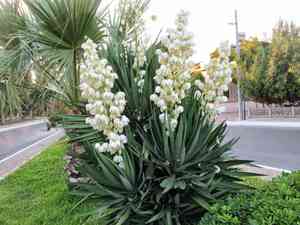
1
Spanish dagger prefers a pH level from 6.5 to 7.5.
2
Spanish dagger flourishes in nutrient-rich, well-draining soil.
3
Frequent monitoring and improvement of soil conditions can avert problems such as inadequate drainage and lack of nutrients.
Optimal Soil Conditions for Spanish Dagger
pH Level Requirements
The Spanish dagger thrives in slightly acidic to neutral ground, with a pH range of 6.5 to 7.5. Regular pH checks using a testing kit help maintain this balance. Adjust pH as needed, using lime for alkalinity or sulfur for acidity.
Soil Texture and Composition
Spanish dagger grows best in sandy or loamy soil, allowing easy root penetration and good aeration. Avoid heavy clay soils, as they retain too much moisture, potentially causing root rot.
Drainage Needs
Excellent drainage is vital for Spanish dagger. Planting in elevated beds or on a gentle slope can prevent waterlogging. Ensure the soil mix contains sand or perlite to enhance drainage.
Nutrient Requirements
While Spanish dagger doesn't demand overly rich soil, it requires specific nutrients to flourish. A balanced fertilizer with equal parts nitrogen, phosphorus, and potassium supports healthy growth. Organic compost also significantly boosts nutrient availability.
Preparing Soil for Spanish Dagger Planting
Testing the Soil
Start by assessing your soil's pH and nutrient content. Utilize a basic soil testing kit, widely available at garden centers. This provides a clear understanding of necessary amendments.
Amending the Soil
Based on your soil test results, modify the soil as required. For instance, add sand to dense clay soil to improve drainage, or incorporate organic matter like compost to enhance nutrient levels.
Creating Raised Beds
If your garden soil is dense and drains poorly, consider constructing raised beds. These allow for easier control over soil composition and ensure adequate drainage, crucial for the Spanish dagger's health.
Ideal Soil Mix Recipes for Spanish Dagger
Homemade Soil Mix
A custom soil blend for Spanish dagger can be created by combining 50% garden soil, 25% coarse sand, and 25% compost. This mixture offers a well-draining, nutrient-rich environment perfect for growth.
Commercial Soil Mix Options
Several commercial soil mixes are suitable for Spanish dagger. Look for cactus or succulent soil blends, which are formulated to provide excellent drainage and the correct nutrient balance.
Common Soil Issues and Solutions for Spanish Dagger
Poor Drainage
Inadequate drainage can lead to root rot and other problems. To improve drainage, consider adding sand or perlite to your soil mix, or planting in elevated beds.
Nutrient Deficiencies
If your Spanish dagger exhibits signs of nutrient deficiencies, such as yellowing leaves or stunted growth, enrich the soil with compost or a balanced fertilizer to restore essential nutrients.
Soil Compaction
Soil compaction hinders root growth and reduces aeration. Regularly aerate the soil around your Spanish dagger and mix in organic matter to keep the soil loose and well-aerated.
FAQ: Spanish Dagger Soil Needs
Can Spanish dagger grow in clay soil?
While Spanish dagger tolerates various soil types, clay soil is not ideal due to its poor drainage. If planting in clay, heavily amend it with sand and organic matter to improve its structure.
Is sandy soil suitable for Spanish dagger?
Yes, Spanish dagger thrives in sandy soil due to its superior drainage. However, ensure the soil isn't too barren; enrich it with compost to supply necessary nutrients.
How often should soil be replaced or refreshed?
For optimal growth, refresh the soil around your Spanish dagger every 2 to 3 years. This helps replenish nutrients and improve soil structure. In the interim, regular amendments can maintain good soil condition.



