Optimal Soil for Growing Adam's needle: What You Need to Know
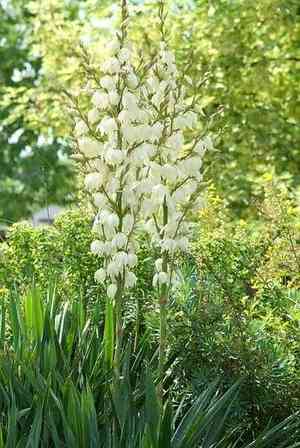
1
Adam's needle flourishes in soils that drain effectively, mirroring its native environment.
2
Incorporating organic material into the soil enhances its composition and nutritional value.
3
Annual soil analysis assists in preserving peak soil conditions for Adam's needle.
Optimal Soil Type for Adam's needle
Well-Draining Substrate
Adam's needle thrives in soil that drains effectively. Insufficient drainage can lead to root decay and other ailments. Creating a well-draining environment ensures roots receive oxygen and prevents water accumulation. Before planting, assess drainage by digging a hole and filling it with water. If water remains after several hours, soil amendments may be necessary.
Sandy or Gritty Composition
A crucial characteristic for Adam's needle is a sandy or gritty soil texture. This type of soil prevents water from lingering and provides essential aeration. You can achieve this texture by incorporating sand or small gravel into your existing soil, ensuring the mixture is loose and crumbly.
How to Improve Soil for Adam's needle
Adding Organic Material
Enhancing soil with organic matter such as compost or aged manure can improve its texture and nutrient content. Organic matter breaks down over time, supplying vital nutrients that support plant vitality. To incorporate, blend it thoroughly into the top 15-20 cm (6-8 inches) of soil.
Adjusting Soil Acidity
Adam's needle flourishes in soil with a neutral pH, typically between 6.5 and 7.5. Soil pH influences nutrient availability and overall plant health. You can check your soil's pH with a simple home test kit. If the pH is too low (acidic), adding lime can raise it. If it's too high (alkaline), sulfur or organic matter can lower it.
Maintaining Soil for Adam's needle
Routine Soil Analysis
To ensure continuous soil health, perform regular soil tests. Testing helps you understand nutrient levels and pH balance. It is advisable to test soil annually, ideally in the spring. Based on the findings, you can amend the soil as required.
Top-Dressing and Mulching Practices
Top-dressing involves applying a layer of compost or organic material to the soil surface. This practice can help replenish nutrients seasonally. Mulching with organic materials like wood chips or straw aids in moisture retention, reduces weed growth, and gradually improves soil texture as it decomposes.
Common Soil Issues for Adam's needle
Recognizing Poor Drainage
Indicators of inadequate drainage include water pooling around the plant base and yellowing foliage. To address this, you might need to construct raised beds or enhance soil texture by adding sand or gravel.
Compacted Soil Problems
Compacted soil can impede root development and water penetration. Regularly aerating the soil and avoiding heavy foot traffic around the plants can help. Loose soil promotes better root growth and nutrient absorption.
Nutrient Deficiencies
Nutrient deficiencies can appear as discoloration or stunted growth. Soil testing can pinpoint specific missing nutrients. Based on the results, you can use appropriate fertilizers to correct deficiencies and encourage robust growth.



