Optimal Soil for Growing Wine grape: What You Need to Know
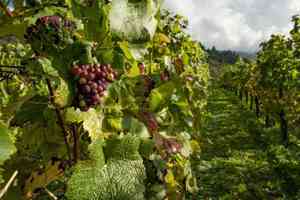
1
To achieve peak growth, Wine grape thrives in soil with a pH between 6.5 and 7.5, facilitating nutrient uptake.
2
Loamy soil is ideal for Wine grape, offering superior drainage while adequately holding moisture and essential nutrients.
3
Annual soil testing is crucial for tracking pH and nutrient levels, ensuring a robust and healthy grapevine.
Optimal Soil Type for Wine grape Cultivation
Loamy Soil Advantages
For Wine grape, loamy soil is considered the ideal medium. This soil type offers a balanced composition and excellent structure, facilitating both adequate water runoff and moisture retention. Loamy soil is rich in organic matter and essential nutrients, which supports the development of a robust root system, vital for thriving grapevines. Its texture ensures roots receive the correct balance of air and water, crucial for vine vitality.
Sandy Soil Characteristics
Sandy soil is recognized for its superior drainage capabilities but struggles with retaining moisture and vital nutrients. This often necessitates more frequent irrigation and additional fertilization to ensure grapes acquire the necessary nourishment. While sandy soil can be amended with organic materials to enhance its makeup, it generally demands more diligent care.
Clay Soil Limitations
Clay soil presents several difficulties for cultivating Wine grape. It is dense and tends to hold water excessively, potentially leading to root rot. The heavy, compacted nature of clay impedes root expansion and aeration. However, this soil type can be improved with appropriate amendments such as compost, gypsum, or sand to enhance its structure and drainage properties.
Enhancing Soil Structure
Improving soil structure can significantly impact Wine grape development. Incorporating organic materials like compost, aged manure, and leaf mold can enhance soil texture and nutrient content. For clay soils, adding gypsum can help break down dense material, improving aeration and water flow. For sandy soils, organic matter will aid in moisture and nutrient retention. Regular testing and adjustment of soil composition ensure a consistently healthy growing environment.
Assessing Soil pH for Wine grape
Optimal pH Range
Maintaining soil pH between 6.5 and 7.5 is critical for Wine grape. This range guarantees that essential nutrients are accessible to the plant's roots. Deviations can hinder nutrient uptake, leading to deficiencies and stunted growth. Routine soil tests will assist in preserving this ideal pH level.
DIY Testing Kits
Home testing kits offer a convenient and economical method for monitoring soil pH. These kits typically include pH strips or a digital meter that provides immediate readings. While home kits offer a quick overview, they are often less precise than professional services. It's advisable to check soil pH at least annually to track any changes.
Professional Soil Analysis Services
For more accurate and comprehensive insights, professional soil testing services are recommended. These laboratories can provide detailed reports on soil pH, nutrient levels, and even suggest amendments. Submitting a soil sample to a local extension service or agricultural lab offers the most dependable data for maintaining optimal conditions for Wine grape.
Nutrient Requirements for Wine grape
Essential Nutrients
Like most plants, Wine grape needs a blend of macronutrients and micronutrients for robust growth. Key nutrients include nitrogen, phosphorus, and potassium. Nitrogen promotes lush foliage, phosphorus aids in root development, and potassium boosts fruit quality and disease resistance. Micronutrients such as magnesium, calcium, and iron are also vital, though needed in smaller quantities.
Fertilizer Application Methods
Fertilizers should be applied based on soil test results and the specific requirements of the Wine grape. A balanced approach using a general-purpose fertilizer or a specially formulated grapevine fertilizer can yield excellent outcomes. It's crucial to follow application instructions carefully to prevent over-fertilization, which can cause nutrient imbalances and harm the plants.
Organic vs. Synthetic Fertilizers
Both organic and synthetic fertilizers have their advantages. Organic fertilizers, derived from animal or plant sources, improve soil structure and add organic matter. They release nutrients slowly, which can benefit long-term soil health. Synthetic fertilizers provide immediate nutrient availability and can be applied precisely based on the plant's needs. The choice often depends on growing conditions and personal preference.
Ensuring Adequate Drainage
Importance of Drainage for Wine grape
Proper drainage is crucial for Wine grape to prevent waterlogged roots, which can lead to root rot and other ailments. Well-drained soil ensures that roots have access to both air and water, fostering a healthy growing environment. Insufficient drainage can impede growth and diminish fruit quality.
Methods to Enhance Drainage
Various techniques can improve soil drainage. Incorporating organic matter like compost increases soil permeability. Constructing raised beds can help manage water runoff, and using mulches can also assist in moisture regulation. In severe cases, installing a drainage system can prevent water accumulation around the roots.
Common Drainage Issues and Solutions
Typical drainage problems include compacted soil, poor soil structure, and improper irrigation practices. Addressing compacted soil by aerating or adding amendments can significantly improve drainage. Adjusting irrigation schedules to provide deep, infrequent watering instead of frequent, shallow watering also helps maintain appropriate soil moisture.
Companion Planting for Wine grape Soil Health
Benefits of Companion Planting
Companion planting involves cultivating plants together that mutually support each other's growth. For Wine grape, this practice can help manage pests, enhance soil fertility and structure, and promote biodiversity. It can also reduce the reliance on chemical fertilizers and pesticides.
Optimal Companions for Wine grape
Herbs like clover and thyme are excellent companions for Wine grape. They help deter pests and can improve soil nitrogen levels. Planting legumes can also enrich the soil with nitrogen, while flowers like marigolds can repel harmful insects, fostering a healthy growing environment.
Plants to Avoid
Refrain from planting fennel and cabbage near your grapevines, as these can hinder the growth of Wine grape. Heavy feeders like corn can compete for nutrients and water, while plants susceptible to similar diseases may increase the risk of spreading pathogens to your grapevines.



