Optimal Soil for Growing Common blue violet: What You Need to Know
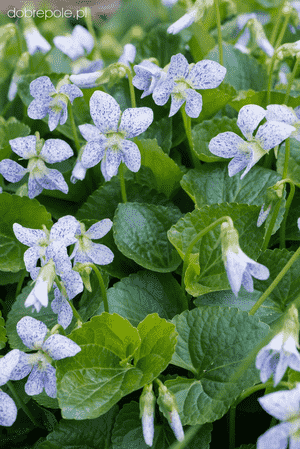
1
Common blue violet thrives in soil with a pH ranging from 6.5 to 7.5, indicating a slightly acidic to neutral preference.
2
For optimal growth, Common blue violet favors soil rich in organic material and essential nutrients.
3
Adequate soil drainage is vital for Common blue violet to avoid root decay and associated problems.
Ideal Ground Mixture for Common blue violet
Soil pH Requirements
A critical factor for growing Common blue violet is ensuring the soil's pH falls within the optimal range of 6.5 to 7.5. This slightly acidic to neutral pH allows the plant to efficiently absorb nutrients. Regular soil analysis using a home kit helps monitor and adjust pH. If too acidic, add lime to raise pH; if too alkaline, use sulfur to lower it.
Soil Texture Preferences
The ground's texture significantly impacts Common blue violet's health and development. These plants flourish best in loamy soil, a balanced blend of sand, silt, and clay. Loamy soil offers good drainage and consistent moisture retention, ensuring roots get adequate air. If your garden soil is too clayey or sandy, incorporate organic matter to enhance its texture for Common blue violet.
Nutrient Needs
Common blue violet requires moderate nutrients for robust growth. Key nutrients include nitrogen, phosphorus, and potassium. Organic compost or aged manure are excellent natural fertilizers providing these essentials. Slow-release balanced fertilizers or liquid feeds for flowering plants can also be used, especially during the growing season, to ensure a steady nutrient supply.
Preparing Ground for Planting Common blue violet
Amending Soil
Before planting Common blue violet, it's crucial to properly prepare the soil by making necessary improvements. Begin by clearing weeds and debris from the planting area. Incorporate a generous amount of organic material, such as compost or leaf mold, to boost soil fertility and structure. Organic matter improves aeration and water retention, creating an ideal growing environment. If compacted, lightly till the soil to loosen it.
Drainage Considerations
Effective drainage is vital for Common blue violet, as poor drainage can lead to waterlogged roots and subsequent rot. To ensure good drainage, plant Common blue violet in raised beds or amend the soil with coarse sand or perlite. You can also create a gentle slope in the planting area to facilitate water runoff. Checking soil moisture before watering prevents overwatering, a common cause of drainage issues.
Maintaining Soil Health for Common blue violet
Mulching Techniques
Mulching is a simple yet effective method to preserve soil health for Common blue violet. Organic mulches like shredded bark, leaf mold, or compost can be spread around the plant bases. Mulching helps retain moisture, regulate soil temperature, and suppress weeds. It also gradually decomposes, adding vital organic matter. Ensure the mulch layer is about 5-7 cm (2-3 inches) thick and kept away from direct stem contact to prevent rot.
Watering Practices
Watering is a critical aspect of maintaining soil health for Common blue violet. These plants prefer consistently moist soil but should not be waterlogged. During dry spells or hot weather, regular watering is necessary to keep the soil adequately moist. Water deeply, ensuring it reaches the root zone. Early morning is best for watering, as it allows excess moisture on foliage to evaporate, reducing fungal disease risk.
Regular Soil Testing
To keep the soil in prime condition for Common blue violet, regular soil analysis is recommended. Soil tests reveal pH levels and nutrient content, enabling informed decisions about fertilization and pH adjustments. Conduct tests at least annually, ideally before the planting season. Based on results, amend the soil to maintain optimal conditions for Common blue violet growth.
Common Soil Issues and Solutions for Common blue violet
Addressing Poor Drainage
Poor drainage can be a significant problem for Common blue violet, leading to root rot and other issues. To enhance drainage, amend the soil with coarse sand, perlite, or gravel. Creating raised beds can also help manage water flow. If you observe standing water around plants or persistently wet soil, these measures can effectively alleviate the problem.
Enhancing Soil Fertility
Soil fertility is crucial for the vigorous growth of Common blue violet. If plants show stunted growth or pale leaves, it may indicate a nutrient deficiency. Organic compost, manure, or balanced fertilizers can be added to replenish lost nutrients. Regularly rotating crops and planting nitrogen-fixing plants nearby can also naturally improve soil fertility.
Controlling Soilborne Pests
Soilborne pests can threaten Common blue violet. Nematodes and other harmful organisms can damage roots and plant health. Introducing beneficial nematodes, maintaining proper soil hygiene, and using organic pest control methods can help manage these pests. Regular inspection of plants and soil can detect infestations early, allowing timely intervention.



