Optimal Soil for Growing Japanese snowball: What You Need to Know
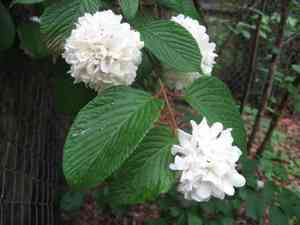
1
Routine soil analysis greatly enhances your Japanese snowball's vitality.
2
Improving soil to ensure proper water runoff prevents root decay and other dampness problems.
3
Applying a balanced nutrient solution during active growth supplies vital elements.
What Soil Type is Best for Japanese Snowball?
Soil Texture and Composition
The Japanese snowball flourishes in well-drained soil with a loamy consistency. This soil type is a balanced blend of sand, silt, and clay, providing an aerated environment for roots while retaining sufficient moisture. Loamy soil is also rich in organic matter, contributing to the plant's overall vitality. Avoid heavy clay soils as they can hold too much water, leading to root decay.
Optimal Soil pH Range
Maintaining the correct soil pH is vital for the healthy development of the Japanese snowball. The ideal pH range for this plant is between 6.5 and 7.5. Soil pH impacts nutrient availability to plant roots, so keeping it within this range is important. You can easily check your soil pH using a home kit or by sending a sample to a local agricultural extension office for detailed analysis.
Nutrient Requirements
The Japanese snowball needs nutrient-rich soil to thrive. Essential nutrients include nitrogen, phosphorus, and potassium, along with micronutrients such as iron, magnesium, and calcium. A balanced, slow-release fertilizer applied in spring can supply these nutrients. Incorporating compost or well-rotted manure into the soil before planting can also boost its fertility.
How to Prepare Soil for Japanese Snowball Planting?
Soil Testing Methods
Before planting your Japanese snowball, it's advisable to test the soil. This can be done using a simple soil test kit from garden centers or by submitting a sample to a soil testing laboratory. The results will inform you about the soil's pH, nutrient content, and structure, enabling you to amend it appropriately for optimal growing conditions.
Amending Soil for Adequate Drainage
Good drainage is crucial for the health of your Japanese snowball. If you have dense clay soil, you can enhance drainage by adding coarse sand, perlite, or organic matter like compost. These additions help create air pockets within the soil, allowing excess water to drain and preventing root rot.
Incorporating Organic Matter
Adding organic matter to the soil improves its structure, fertility, and water retention capacity. Materials such as compost, leaf mold, and well-rotted manure can be mixed into the soil to provide a nutrient-rich environment for your Japanese snowball. Aim to incorporate at least 5-10% organic matter into the top 30 cm (12 inches) of soil.
Common Soil Issues for Japanese Snowball
Identifying Poor Drainage Issues
Poor drainage can be a significant problem for Japanese snowball plants, often leading to root decay and other diseases. Signs of poor drainage include water pooling on the surface after rain, sluggish plant growth, and yellowing foliage. To resolve drainage issues, amend the soil with coarse sand or perlite and ensure the planting area is slightly elevated to facilitate water runoff.
Correcting Soil Compaction
Soil compaction reduces aeration and can impede root development. You can identify compacted soil if it's difficult to dig into or has a crusted surface. To alleviate compaction, aerate the soil using a garden fork or aerator, and incorporate organic matter to improve its structure.
Addressing Soil Nutrient Deficiencies
Nutrient deficiencies in the soil can result in poor plant health and reduced blooming. Common symptoms include yellowing leaves, stunted growth, and poor flowering. Regularly testing your soil and applying suitable fertilizers or organic amendments can help resolve these deficiencies. For specific nutrient deficiencies, targeted fertilizers like iron chelates or bone meal can be used.
Maintaining Soil Health for Japanese Snowball
Regular Soil Testing
Conducting routine soil tests helps you stay informed about the soil's pH and nutrient levels. This knowledge allows you to make necessary adjustments and ensure your Japanese snowball receives optimal growing conditions. Ideally, test your soil at least once a year, typically in the spring.
Best Practices for Mulching
Mulching around the base of your Japanese snowball helps retain soil moisture, regulate soil temperature, and suppress weeds. Organic mulches like bark chips, straw, or compost are excellent choices. Apply a 5-10 cm (2-4 inches) thick layer, ensuring it doesn't directly touch the plant stem to prevent rot.
Proper Watering Techniques
Appropriate watering is essential for maintaining healthy soil and a thriving Japanese snowball. Water deeply but infrequently, allowing the soil to dry out between watering sessions. This encourages deep root growth and prevents over-watering. In general, aim for about 2.5-5 cm (1-2 inches) of water per week, adjusting based on weather conditions.



