Optimal Soil for Growing American Cranberry Bush: What You Need to Know
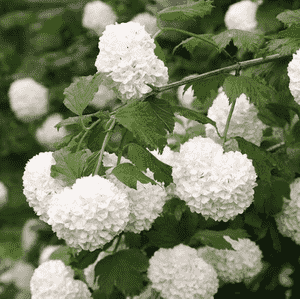
1
The American Cranberry Bush flourishes in soil that is somewhat acidic to neutral, with a pH range of 6.5 to 7.5.
2
Proper drainage is essential to avoid root decay in the American Cranberry Bush.
3
Consistent mulching aids in keeping soil moist and inhibits weed development near the American Cranberry Bush.
Optimal Soil Type for American Cranberry Bush
Ideal Soil Composition
The American Cranberry Bush thrives in adaptable conditions, but performs best in loamy soil rich in organic matter. Loamy soil, a balanced mix of sand, silt, and clay, ensures excellent drainage while retaining sufficient moisture and nutrients for plant development. Incorporating compost or aged manure into your garden bed helps achieve this perfect soil blend, fostering a flourishing American Cranberry Bush.
Nutrient-Rich Soil Requirements
For robust growth, the American Cranberry Bush needs soil abundant in nutrients, specifically nitrogen, phosphorus, and potassium. Consistent addition of organic materials like compost helps maintain and enrich the soil, guaranteeing the plant receives all vital nutrients. Furthermore, a balanced fertilizer application in spring can provide a crucial nutrient boost for the upcoming growing season.
Preparing Soil for American Cranberry Bush
Soil Testing
Prior to planting your American Cranberry Bush, it's crucial to analyze your soil. Soil testing kits are readily available at garden centers or through local agricultural extension services. A soil test will reveal your soil's pH level and nutrient content, guiding you in making necessary adjustments to create an optimal growing environment.
Soil Amendment Techniques
After testing your soil, you might need to modify it to suit the American Cranberry Bush's requirements. If your soil is overly sandy, adding organic material such as compost can improve its nutrient and water retention. For dense clay soils, incorporating sand and organic matter can enhance aeration and drainage. Regular soil amendments, applied in autumn or early spring, ensure the soil remains fertile and well-draining.
Proper pH Levels
The American Cranberry Bush prefers soil with a pH range of 6.5 to 7.5. If your soil test indicates the pH is outside this range, adjustments can be made. For overly acidic soil (below 6.5), adding lime can help increase the pH. Conversely, if your soil is too alkaline (above 7.5), incorporating sulfur or peat moss can lower the pH. Consistent monitoring and adjustments ensure ideal soil conditions for your American Cranberry Bush.
Drainage Considerations for American Cranberry Bush
Importance of Good Drainage
Adequate drainage is vital for the well-being of the American Cranberry Bush. Poor drainage can lead to waterlogged soil, resulting in root rot and other fungal diseases. Ensuring your soil drains effectively helps maintain a healthy root system and prevents common moisture-related problems.
Methods to Improve Soil Drainage
If your garden soil tends to be waterlogged, several techniques can enhance drainage. Raised beds are an effective solution, elevating the soil and allowing excess water to escape. Alternatively, you can increase soil aeration by incorporating organic matter such as compost or leaf mold. Creating a simple drainage system using gravel or sand at the bottom of planting holes can also help excess water escape, keeping the roots healthy.
Mulching Recommendations for American Cranberry Bush
Benefits of Mulching
Mulching offers numerous advantages for the American Cranberry Bush. It aids in retaining soil moisture, regulating soil temperature, and suppressing weeds. Mulching also improves soil structure by adding organic material as it decomposes, providing essential nutrients to the plant.
Types of Mulch
Various types of mulch can be used for the American Cranberry Bush, including organic and inorganic options. Organic mulches like wood chips, straw, and compost are excellent choices as they gradually break down, enriching the soil. Inorganic mulches, such as landscape fabric or gravel, are durable and effective at suppressing weeds but do not add nutrients to the soil.
Proper Mulching Techniques
For optimal benefits, apply mulch to a depth of approximately 5-7 centimeters (2-3 inches) around the base of the American Cranberry Bush. Ensure the mulch is kept a few centimeters (an inch or so) away from the stem to prevent rot. Refresh the mulch layer annually to maintain its effectiveness and continue supporting the plant's growth.
Indicators of Soil Problems in American Cranberry Bush
Identifying Nutrient Deficiencies
The American Cranberry Bush may exhibit signs of nutrient deficiencies if the soil lacks vital nutrients. Common indicators include yellowing leaves, stunted growth, and poor flowering. Conducting a soil test can help pinpoint specific nutrient deficiencies, allowing you to take corrective measures such as applying appropriate fertilizers.
Addressing Soil Compaction
Soil compaction reduces the availability of air and water to the roots, leading to poor plant health. Signs of soil compaction include water pooling on the surface and difficulty in root growth. To alleviate soil compaction, aerate the soil by breaking it up and adding organic matter. Regularly turning the soil and using raised beds can also prevent compaction, ensuring healthier growth for your American Cranberry Bush.



