Optimal Soil for Growing Koreanspice viburnum: What You Need to Know
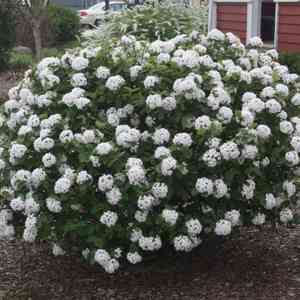
1
Incorporating natural compost greatly boosts soil health, supplying vital nourishment and improving moisture absorption.
2
Koreanspice viburnum thrives in soil with a pH range of 6.5 to 7.5, which guarantees nutrient uptake and plant vitality.
3
Applying mulch aids in preserving soil dampness, inhibiting weed proliferation, and stabilizing ground temperature.
Optimal Soil Type for Koreanspice Viburnum
Loamy Substrate
For peak development, Koreanspice viburnum flourishes in loamy soil. This soil type represents an ideal blend of sand, silt, and clay, providing excellent drainage and nutrient retention. Its texture facilitates easy root penetration, fostering a robust root system. When planning your garden, ensuring these components in the soil structure will create an optimal setting for your viburnum.
Well-Drained Ground
Beyond its loamy makeup, well-draining soil is vital. Koreanspice viburnum cannot endure standing water, which often results in root rot. Properly drained soil ensures efficient water movement, balancing moisture levels. Consider utilizing raised beds or enriching garden soil with organic materials like peat or compost to boost drainage.
Ideal Soil pH for Koreanspice Viburnum
Slightly Acidic to Neutral Range
The best pH range for Koreanspice viburnum is between 6.5 and 7.5, leaning towards mildly acidic to neutral. This range supports optimal nutrient availability and absorption for the plant. Aiming for this pH ensures the soil chemistry is favorable for vigorous growth and overall health.
Assessing Soil pH
To maintain the recommended pH, regularly test your soil. At-home kits are convenient and can guide you on necessary adjustments. If the pH is too low (acidic), adding lime can help. Conversely, if it's too high (alkaline), incorporating sulfur or organic matter like pine needles will help reduce it.
Enhancing Soil Quality for Koreanspice Viburnum
Incorporating Compost
Compost is invaluable for soil improvement, enriching it with nutrients and beneficial microorganisms. By adding compost, you increase the organic content, enhancing soil structure and fertility. Aim to mix in a few inches (approximately 5 cm) of compost into the top layer of soil annually for best results.
Ensuring Adequate Aeration
Aerated soil allows roots to access oxygen, which is crucial for growth. Compacted soil hinders this access and can impede plant development. To aerate your soil, consider using a garden fork or aerator, especially before the planting season. Incorporating coarse sand or fine gravel can also help maintain good aeration.
Applying Mulch
Mulching serves multiple functions: it retains moisture, suppresses weeds, and moderates soil temperature. Organic mulches such as wood chips, straw, or shredded leaves are most effective, adding nutrients as they decompose. Apply a 2-3 inch (5-7 cm) layer around your Koreanspice viburnum, but avoid piling it against the plant stem.
Moisture Retention for Koreanspice Viburnum Soil
Consistent Hydration Levels
Koreanspice viburnum prefers steady moisture, neither too dry nor waterlogged. To achieve this, water deeply, encouraging profound root growth. This might mean watering roughly once a week, but frequency can vary by climate and season. Mulching, as mentioned, can significantly aid in maintaining these levels.
Indicators of Overwatering and Underwatering
It's crucial to recognize the signs of excessive or insufficient watering. Overwatered plants may exhibit yellowing leaves and root rot, while underwatered ones can wilt and show dry, brittle foliage. Regularly check soil moisture by inserting your finger about 2 inches (5 cm) into the soil; it should feel damp but not saturated.
Nutrient Requirements in Soil for Koreanspice Viburnum
Essential Nutrients
Koreanspice viburnum needs a balanced supply of vital nutrients, including nitrogen (N), phosphorus (P), and potassium (K), commonly known as NPK. Nitrogen promotes leaf growth, phosphorus supports root and flower development, and potassium boosts overall plant health. Regular soil tests can reveal nutrient levels and deficiencies.
Fertilization Advice
Fertilize your Koreanspice viburnum in early spring before new growth begins. A balanced fertilizer, such as 10-10-10 (NPK), can be beneficial. Follow the manufacturer's instructions for application rates, and avoid over-fertilizing, which can lead to nutrient burn and soil imbalances. Organic fertilizers, like compost and manure, are also excellent choices.
Common Soil Issues and Solutions for Koreanspice Viburnum
Soil Compaction
Compacted soil restricts root growth and water penetration. To address this, aerate your soil regularly, and avoid walking on garden beds. Adding organic matter can improve soil structure and prevent compaction over time.
Poor Drainage
Inadequate drainage can cause waterlogging and root health problems. Improve drainage by incorporating organic matter, ensuring a loamy soil mix, or utilizing raised beds. Additionally, avoid planting in low-lying areas prone to water accumulation.
Nutrient Deficiencies
Nutrient deficiencies manifest as discoloration, stunted growth, or poor flowering. Identifying the specific deficiency through soil testing is crucial. Amend soil with appropriate fertilizers or organic matter to address these deficiencies and promote healthy growth.



