Optimal Soil for Growing Highbush blueberry: What You Need to Know
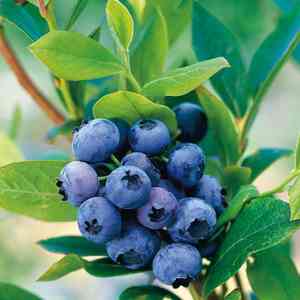
1
Highbush blueberries flourish in acidic ground, ideally between pH 4.5 and 5.5.
2
Adding pine needles and peat moss helps sustain the acidic soil conditions perfect for Highbush blueberries.
3
Consistent soil analysis and modifications are vital for Highbush blueberry's continued well-being and yield.
Optimal Soil pH for Highbush Blueberry
Preferred pH Range
The best pH range for Highbush blueberry is between 4.5 and 5.5. Maintaining this acidic pH level assists roots in absorbing vital nutrients for growth, such as iron, magnesium, and calcium. If the pH is too high, these nutrients become less available, leading to deficiency symptoms like yellowing leaves.
Soil pH Assessment
Assessing the soil pH is a simple procedure. Home testing kits are available at garden centers and provide quick, dependable results. For an accurate reading, collect soil samples from multiple spots around the planting area and combine them before testing. Alternatively, you can submit samples to a local agricultural extension office for a detailed analysis.
Adjusting Soil pH
If your soil pH requires modification, several methods can bring it to the ideal range. To decrease the pH, sulfur-based products are frequently used. Depending on the current pH level, you might need to apply sulfur multiple times. Always adhere to product instructions and avoid over-application, which can harm the plants. Conversely, if the soil is too acidic, lime can be added to gradually increase the pH.
Best Soil Type for Highbush Blueberry
Soil Texture and Composition
The most suitable soil for Highbush blueberry is sandy or loamy, which facilitates proper drainage and root development. A soil texture that retains moisture without becoming waterlogged is perfect. Heavy clay soils are generally unsuitable but can be improved with organic matter to enhance texture.
Optimal Soil Drainage
Adequate drainage is vital for Highbush blueberry because standing water can cause root rot. Ensure the planting site has good drainage, and consider raised beds if your garden has poorly draining soil. To test for drainage, dig a hole approximately 30 cm (1 ft) deep and fill it with water. If it drains within 24 hours, the site is appropriate.
Organic Matter Content
Organic matter enhances soil structure, fertility, and moisture retention. Annually adding compost, peat moss, or well-rotted manure ensures the soil remains rich and favorable for Highbush blueberry growth. Organic matter also promotes beneficial microbial activity, crucial for nutrient cycling and plant health.
How to Amend Soil for Highbush Blueberry
Adding Compost and Peat Moss
Amending soil with compost and peat moss can significantly improve its quality. Compost provides essential nutrients and enhances soil structure, while peat moss helps maintain the acidic environment Highbush blueberry needs. Mix these amendments into the top 30 cm (1 ft) of soil before planting.
Using Sulfur to Lower pH
Elemental sulfur is an effective method to reduce soil pH. The quantity needed depends on the current pH and soil type. Apply sulfur several months before planting to allow it time to react and lower the pH. Monitor the pH regularly to ensure it stays within the desired range.
Incorporating Pine Needles
Pine needles are another excellent amendment for maintaining an acidic soil environment. They decompose slowly, offering long-term benefits to the soil structure and nutrient content. Mulching with pine needles also helps retain soil moisture and suppress weed growth around your Highbush blueberry plants.
How to Maintain Soil Health for Highbush Blueberry
Regular pH Testing and Adjustment
Continuous monitoring of soil pH is crucial. Test the soil at least twice a yearâonce in spring before new growth begins and once in fall after harvest. Adjust the pH as needed to ensure it remains within the optimal range. Regular testing helps prevent nutrient deficiencies and root health problems.
Applying Mulch
Mulching is an essential practice for maintaining soil health. Organic mulches like pine bark, wood chips, or pine needles help retain moisture, regulate soil temperature, and add organic matter as they decompose. Apply a 5-10 cm (2-4 inches) layer of mulch around the base of the plants, being careful not to pile it against the stems.
Monitoring Nutrient Levels
Soil fertility can be maintained by monitoring nutrient levels and applying the necessary fertilizers. Use a balanced fertilizer formulated for acid-loving plants, typically higher in nitrogen. Conduct soil tests to determine specific nutrient deficiencies and address them with appropriate amendments.
How to Address Common Soil Problems for Highbush Blueberry
Dealing with Poor Drainage
For areas with poor drainage, consider planting Highbush blueberry in raised beds or on slopes. Adding coarse sand or perlite to the soil can improve drainage. Avoid planting in low-lying areas where water tends to accumulate.
Correcting Nutrient Deficiencies
Nutrient deficiencies can manifest in various ways, such as yellowing leaves or stunted growth. Conducting regular soil tests and observing plant symptoms can help identify deficiencies. Apply specific fertilizers or organic amendments to address these issues promptly.
Managing Soil Compaction
Compacted soil hinders root growth and water infiltration. Loosen the soil by adding organic matter and avoiding heavy machinery on wet soil. Aerating the soil with a garden fork or aerator can also alleviate compaction and improve root penetration.



