Optimal Soil for Growing American elm: What You Need to Know
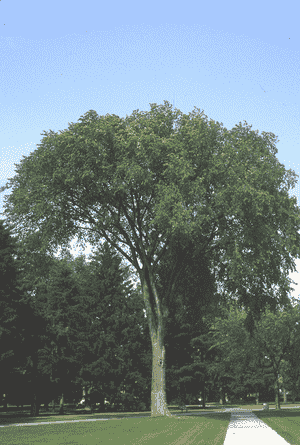
1
Ideal pH Level: American elm trees flourish in ground with a pH ranging from 6.5 to 8.
2
Fertile Soil: These trees benefit from earth enriched with organic materials like compost or aged manure.
3
Good Drainage is Key: Guarantee adequate drainage to prevent water accumulation, which can harm American elm roots.
What are the Soil Requirements for American elm?
Soil Type Preferences
The substrate chosen for your American elm significantly impacts its vitality and development. Ideally, these trees thrive in loamy earth, which provides a balanced mix of sand, silt, and clay. This composition ensures sufficient water retention while also allowing for excellent drainage. If your garden's ground is predominantly clayey or sandy, consider enriching it to create a more favorable environment for your tree.
pH Level Optimization
Understanding your soil's pH level is vital for cultivating American elm trees. These trees flourish in soils with a pH range of 6.5 to 8. A slightly acidic to mildly alkaline substrate offers the best conditions for nutrient absorption and root health. You can utilize home pH testing kits or submit a sample to a local extension service for precise analysis.
Nutrient Needs
Vigorous American elm trees thrive in soils rich in nutrients. Essential elements like nitrogen, phosphorus, and potassium should be present in balanced amounts. If your soil lacks these, consider enriching it with organic materials such as compost or well-decomposed manure. This not only boosts nutrients but also enhances soil texture and moisture retention.
How to Test and Amend Soil for American elm?
Performing a Soil Test
Prior to planting your American elm, it's beneficial to assess your soil to understand its current state. Soil testing kits are readily available at garden centers and provide a quick way to measure pH, nutrient levels, and texture. For more thorough results, consider sending a soil sample to a professional laboratory.
Amending Soil Texture
If your soil analysis indicates a less-than-ideal texture for your American elm, modifications can help. For soils heavy in clay, incorporating sand and organic matter can improve aeration and drainage. Conversely, if you have sandy soil, adding compost or peat moss can enhance its water retention capabilities.
Adjusting pH Levels
Should your soil's pH fall outside the optimal range for American elm, adjustments are necessary. To increase pH (make it more alkaline), you can add lime. If you need to decrease pH (make it more acidic), elemental sulfur or acidifying fertilizers can be useful. Always retest the soil after making changes to ensure you've reached the ideal range.
Enhancing Soil Fertility
Improving your soil's fertility ensures the long-term health of your American elm. Regularly incorporate organic matter such as compost, leaf mold, or well-rotted manure. These materials enrich the soil with vital nutrients and beneficial microorganisms, improving overall soil health and structure.
What are the Best Soil Practices for Healthy American elm Growth?
Proper Drainage
One of the most critical aspects of soil care for American elm trees is ensuring adequate drainage. Waterlogged soil can lead to root rot and other problems. If your soil tends to hold too much water, consider creating raised beds or incorporating drainage solutions like French drains to reduce the risk.
Mulching Techniques
Mulching is a beneficial practice for preserving soil moisture, moderating soil temperature, and suppressing weeds around your American elm. Apply a 5-10 cm (2-4 inch) layer of organic mulch, such as wood chips or shredded leaves, around the tree's base, ensuring it doesn't directly touch the trunk to prevent decay.
Avoiding Soil Compaction
Soil compaction can hinder root growth and water penetration. To prevent this, avoid heavy foot traffic or machinery use near the root zone of your American elm. Aerating the soil annually can also help alleviate compaction and promote healthy root development.
How Does Climate Affect Soil Needs for American elm?
Regional Soil Variations
Climate significantly influences soil characteristics, impacting the growth of American elm trees. In areas with substantial rainfall, ensure your soil has excellent drainage to prevent excessive water retention. In drier climates, enhancing the soil's capacity to hold moisture becomes crucial. Adjust your soil amendments and practices based on your region's specific climatic conditions.
Seasonal Soil Management
Different seasons present varying challenges for soil management. In spring and summer, focus on maintaining sufficient moisture and nutrient levels. During autumn, consider adding organic matter to prepare the soil for the colder months. Winter is an excellent time to consider soil testing and planning any significant amendments needed for the next growing season.



