Optimal Soil for Growing Virginia spiderwort: What You Need to Know
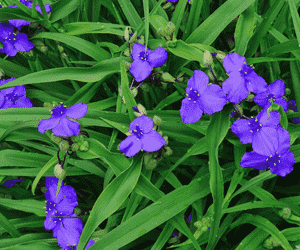
1
Virginia spiderwort thrives in soil with a pH ranging from 6.5 to 7.5.
2
Adding organic matter like compost to your garden soil can greatly improve Virginia spiderwort's development.
3
Preventing overly wet soil is essential to avoid root decay in Virginia spiderwort.
Optimal Soil Type for Virginia Spiderwort
Well-draining Substrate
The primary consideration for cultivating Virginia spiderwort is ensuring a substrate that drains effectively. This plant flourishes when water can readily pass through the soil, preventing saturation. If the soil retains excessive moisture, the root system becomes vulnerable to decay and various ailments. You can assess your soil's drainage by excavating a small hole, filling it with water, and observing the rate at which it dissipates. Ideally, complete drainage should occur within an hour.
Loamy Soil Composition
Loamy soil, a balanced blend of sand, silt, and clay, is perfect for Virginia spiderwort. This soil type provides excellent nutrients, good drainage, and superior aerationâall crucial for robust plant development. Loam retains moisture without becoming waterlogged and offers a fertile environment rich in organic matter. You can create loamy soil by combining equal parts of sand, silt, and clay or by incorporating compost into garden soil to enhance its texture and nutrient content.
Enhancing Soil for Virginia Spiderwort Cultivation
Integrating Organic Material
Adding organic matter, such as compost, leaf mold, or well-decomposed manure, can significantly improve soil quality for Virginia spiderwort. Organic matter enhances soil structure, boosts water retention in sandy soils, and improves drainage in clay soils. Furthermore, it supplies essential nutrients that help Virginia spiderwort thrive. To incorporate organic matter, spread a layer approximately 5 cm (2 inches) thick over the soil and mix it into the top 20 cm (8 inches) using a garden fork or tiller.
Adjusting Soil pH Levels
Virginia spiderwort grows best in soil with a pH level between 6.5 and 7.5. A neutral pH is vital as it enables optimal nutrient absorption. You can test your soil pH using a simple soil test kit available at garden centers. If your soil is too acidic (below 6.5), add lime to increase the pH. If it's too alkaline (above 7.5), sulfur or organic matter like pine needles or peat moss can lower the pH. Follow the instructions on the amendment packages to ensure proper application.
Ideal Soil Moisture for Virginia Spiderwort
Maintaining Consistent Hydration
Consistent moisture levels are vital for the health of Virginia spiderwort. This plant prefers uniformly moist soil, but it cannot tolerate standing water. Water your plants regularly during dry spells, especially in summer, ensuring the soil remains moist to a depth of about 5-7.5 cm (2-3 inches). Mulching can help maintain soil moisture by reducing evaporation and keeping the roots cool. Apply a 5 cm (2 inch) layer of organic mulch like straw, wood chips, or shredded leaves around the base of the plants.
Preventing Waterlogged Conditions
It's equally important to prevent waterlogged soil when cultivating Virginia spiderwort. Excessively wet conditions can lead to root rot and other fungal diseases. Ensure that your soil has excellent drainage and avoid over-watering. During periods of heavy rain, make sure water drains away from your plants. Raised beds or planting on a slight slope can help prevent water from accumulating around the roots.
Fertilizing Virginia Spiderwort for Healthy Soil
Selecting the Right Fertilizer
Choosing the appropriate fertilizer is crucial for promoting robust, vibrant growth in Virginia spiderwort. A balanced, all-purpose fertilizer, such as 10-10-10 (NPK), can provide the necessary nutrients. Alternatively, organic fertilizers like fish emulsion or compost tea can also be beneficial. Avoid high-nitrogen fertilizers, as they can cause excessive foliage growth at the expense of flowers. Always follow the package instructions to avoid over-fertilizing, which can harm the plant.
Application Schedule
Fertilization frequency plays a vital role in the health of Virginia spiderwort. Generally, an application at the start of the growing season and a mid-season boost is sufficient. Apply fertilizer in the spring when new growth begins and again in mid-summer if plants show signs of nutrient deficiency, such as yellowing leaves or stunted growth. Be cautious not to over-fertilize, as this can lead to salt build-up in the soil, affecting plant health.



