Optimal Soil for Growing Spanish moss: What You Need to Know
1
Spanish moss flourishes in elevated humidity, ideally exceeding 50%.
2
This plant takes in nourishment directly from the atmosphere, not from the ground.
3
Spanish moss favors diffused light and ample air movement for peak development.
Is Soil Necessary for Spanish Moss?
Spanish Moss's Epiphytic Nature
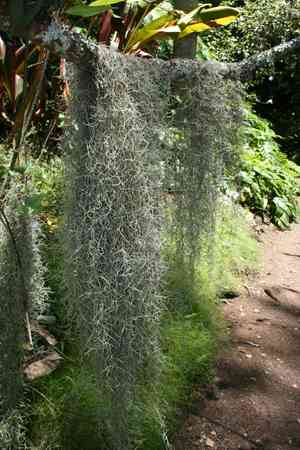
Unlike most flora, Spanish moss doesn't need soil to grow. It's an epiphyte, meaning it naturally lives on other plants, like trees, without drawing nutrients from them. Instead, Spanish moss takes in moisture and nutrients from the atmosphere and rainfall through its leaves.
How Spanish Moss Takes Up Nutrients
Spanish moss possesses specialized cells on its leaves called trichomes, which are adapted to capture water and nutrients directly from the air. This unique adaptation allows it to flourish without needing soil, making it an excellent choice for hanging baskets, terrariums, or draped over branches.
Optimal Growing Conditions for Spanish Moss
Humidity Levels
Spanish moss thrives in environments with high humidity. Ideally, the humidity should exceed 50%. In areas with low humidity, you can mimic moisture by misting the plant regularly or placing it in a more humid part of your home, such as the bathroom.
Light Requirements
This plant prefers bright, indirect illumination. Direct sunlight can be too harsh and may cause the plant to dehydrate. Instead, position your Spanish moss where it receives filtered light or partial shade to maintain its health and vibrancy.
Air Movement
Good air circulation is vital for Spanish moss. Proper airflow helps prevent mold and fungus, which can develop if the plant remains too wet. Ensure your Spanish moss is in a well-ventilated area to allow it to dry out between waterings.
Common Errors in Spanish Moss Care
Excessive Watering
While it's important to keep Spanish moss moist, overwatering can lead to decay. Ensure the plant dries out completely between waterings. If you notice the plant turning brown or becoming soft, it could indicate too much water.
Incorrect Placement
Placing Spanish moss in direct sunlight or an area with poor air circulation can be harmful. Always ensure your plant is in a location with indirect light and good airflow to prevent dehydration or disease.
FAQs Regarding Spanish Moss and Soil
Can Spanish Moss Grow in Soil?
Spanish moss is not designed to grow in soil. Planting it in soil can suffocate its trichomes, hindering its ability to absorb water and nutrients from the air. For this reason, you should avoid placing Spanish moss in soil.
What Happens if You Plant Spanish Moss in Soil?
If Spanish moss is planted in soil, it often results in poor health or even death. The plant's epiphytic nature means it needs to hang freely in a humid environment with good air circulation to thrive. Soil can retain too much moisture around the plant, causing rot and other issues.



