Optimal Soil for Growing Large-leaved lime: What You Need to Know
1
Large-leaved lime prefers a soil pH between 6.5 and 8.
2
Applying mulch helps retain soil moisture and suppress weeds near your Large-leaved lime.
3
Large-leaved lime grows optimally in rich, well-drained soil.
Optimal Ground Conditions for Large-leaved Lime
Ground Type and Composition
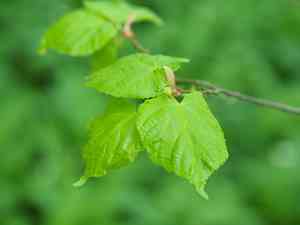
The Large-leaved lime, recognized for its substantial, heart-shaped foliage and robust development, thrives in well-draining loamy ground that offers a balanced mix of sand, silt, and clay. This ground type retains adequate moisture while preventing waterlogging, enabling roots to access both water and air. For peak growth, ensure the ground is rich in organic material and possesses a loose texture that encourages root expansion.
pH Levels
Maintaining the correct pH level is vital for the Large-leaved lime's prosperity. This tree flourishes in slightly acidic to slightly alkaline ground, with a preferred pH range of 6.5 to 8. Ground pH impacts nutrient availability and microbial activity; thus, regular testing and adjustments might be necessary. Adding lime can elevate the pH, while sulfur or organic matter can reduce it, helping to keep your ground within the optimal range.
Drainage
Effective drainage is crucial for Large-leaved lime as it prevents root rot, a frequent problem in poorly drained grounds. Ideal ground should allow excess water to flow away quickly while retaining sufficient moisture for the treeâs roots. Constructing a raised bed or incorporating organic material like compost can improve the ground's drainage capabilities, ensuring your tree remains healthy and strong.
How to Prepare Ground for Planting Large-leaved Lime?
Ground Amendments
To prepare the ground for Large-leaved lime, consider making necessary improvements. Adding organic material such as compost or well-decomposed manure can enhance ground structure, boost nutrient content, and stimulate microbial activity. If the ground is heavy clay, incorporating sand or perlite can improve aeration and drainage, making it more suitable for the treeâs needs.
Composting for Enrichment
Composting is an excellent method to enrich the ground for Large-leaved lime. By adding compost, you introduce vital nutrients and beneficial microorganisms into the ground. Spread a 5-10 cm (2-4 inches) layer of compost over the planting area and thoroughly mix it into the top 20-30 cm (8-12 inches) of ground. This practice not only enriches the ground but also improves its water-holding capacity and structure.
Testing Ground Before Planting
Before planting your Large-leaved lime, itâs important to test the ground to determine its pH and nutrient levels. Ground testing kits are available at garden centers, or you can send a sample to a local agricultural extension office for a detailed analysis. The results will guide you in making necessary adjustments to the ground, ensuring it meets the treeâs requirements.
How to Maintain Ground Health for Large-leaved Lime?
Regular Ground Testing
Maintaining ground health is an ongoing process, and regular ground testing helps you monitor and adjust the pH and nutrient levels as needed. Conduct ground tests annually or biannually to track its condition and make informed decisions about fertilization and amendments.
Mulching Techniques
Applying mulch around the base of Large-leaved lime trees is beneficial for preserving ground moisture, regulating temperature, and suppressing weeds. Spread a 5-10 cm (2-4 inches) layer of organic mulch, such as wood chips or straw, around the treeâs drip line, but keep it away from the trunk to prevent decay.
Fertilization Guidelines
Fertilizing Large-leaved lime trees helps replenish essential nutrients. Use a balanced, slow-release fertilizer in early spring. Follow label instructions for the appropriate amount and spread it evenly around the tree's drip line. Organic options like compost tea or well-rotted manure can also provide a gentle nutrient boost.
Common Ground Problems and Solutions for Large-leaved Lime
Compacted Ground
Compacted ground reduces aeration and water penetration, impeding root growth. To address this, perform aeration by creating small holes in the ground around your Large-leaved lime tree and filling them with organic material. This practice improves ground structure and promotes healthy root development.
Nutrient Deficiencies
Nutrient deficiencies can manifest as stunted growth or yellowing leaves. Perform a ground test to identify missing nutrients and apply the appropriate fertilizers to correct these deficiencies. Ensure you follow recommended application rates to avoid over-fertilizing, which can harm the tree.
Poor Drainage Issues
If your Large-leaved lime experiences poor drainage, improving ground structure is crucial. Amending the ground with organic material and ensuring the planting area slopes slightly can help enhance drainage. Raised beds can also be an effective solution for areas with consistently poor drainage.



