Optimal Soil for Growing Creeping thyme: What You Need to Know
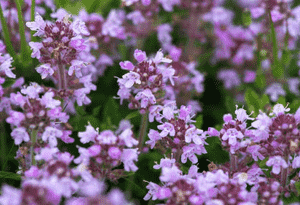
1
Creeping thyme flourishes in soil that drains effectively and can endure less-than-ideal soil quality when required.
2
The optimal soil acidity for Creeping thyme is between 6.5 and 7.5, which is excellent for balanced nutrient absorption.
3
Frequent soil analysis assists in preserving the favored soil environment for peak development.
Optimal Soil Type for Creeping Thyme
Ideal Soil Composition
For robust Creeping thyme growth, the right soil is crucial. This resilient plant thrives in sandy or loamy soil, which provides excellent drainage and root aeration. A blend of sand, silt, and clay, enriched with organic matter, creates a balanced environment that supports both moisture retention and proper drainage. Steer clear of dense clay soils, as they can lead to waterlogging and potential root rot.
Soil pH Levels
Soil pH is a key factor for healthy Creeping thyme. This plant prefers slightly acidic to neutral conditions, ideally between 6.5 and 7.5 pH. This range allows for efficient nutrient uptake. You can easily check soil pH with a home kit or by sending a sample to an agricultural extension service. If the pH is off, consider adding lime to raise it or sulfur to lower it.
Drainage Requirements
Creeping thyme requires well-draining soil to flourish. Poor drainage results in overly wet conditions, which are harmful to the plant's roots. To assess drainage, dig a 30 cm (12 inch) deep hole and fill it with water. If it takes more than a few hours to drain, you likely need to improve drainage by incorporating materials like coarse sand or fine gravel.
Preparing Soil for Creeping Thyme Planting
Weed and Debris Removal
Before planting Creeping thyme, clear the area of all weeds and debris. Weeds compete for nutrients and water, hindering thyme growth. Use a hoe or garden fork to remove all plant material from the soil surface. Ensure perennial weed roots are removed to prevent regrowth. This step provides a clean foundation for your Creeping thyme to spread and thrive.
Incorporating Organic Matter
Adding organic matter significantly benefits Creeping thyme. Compost or well-rotted manure improves soil structure, boosting nutrient content and water retention. Spread a 5-10 cm (2-4 inch) layer of organic matter over the soil and mix it in thoroughly, to a depth of at least 15 cm (6 inches). This amendment helps create an ideal growing environment for your thyme.
Soil Aeration Techniques
Aerating the soil is another vital step for Creeping thyme preparation. Well-aerated soil allows air, water, and nutrients to reach plant roots more effectively. You can aerate with a garden fork or a mechanical aerator. For small areas, simply poke holes at regular intervals to introduce air and reduce compaction. This prepares the soil structure for vigorous thyme growth.
Creeping Thyme's Tolerance to Poor Soil
Tolerances and Adaptability
Creeping thyme is remarkably adaptable and can endure poor soil conditions, including sandy or rocky types with low fertility. Its resilience makes it an excellent ground cover for challenging landscapes. However, while it can survive in less-than-ideal soil, optimal conditions will still produce the most lush and healthy plants.
Improving Poor Soil Conditions
If your soil is lacking, you can take steps to enhance it for Creeping thyme. Begin by incorporating organic matter to improve fertility and structure. Additionally, ensure proper drainage by using raised beds or adding coarse materials like sand. By making these adjustments, even poor soil can become a suitable home for your thyme.
Common Soil Issues for Creeping Thyme
Compacted Soil
Compacted soil is a frequent problem that can impede Creeping thyme growth. When soil particles are too dense, air and water struggle to penetrate, stifling root development. Regular aeration and avoiding heavy foot traffic can alleviate this. Incorporating organic matter also helps loosen compacted soil over time.
Overly Wet Soil
Creeping thyme is highly prone to root rot if grown in excessively wet soil. Ensure excellent drainage by avoiding low-lying areas where water collects. If your garden has heavy clay soil, consider building raised beds or amending the soil with sand and gravel to improve water flow.
Nutrient Deficiencies
Nutrient deficiencies can impact Creeping thyme's vitality. Regularly check your soil's nutrient levels and amend as needed. Common deficiencies include nitrogen, phosphorus, and potassium, which can be supplemented with balanced fertilizers or organic amendments like compost.
Maintaining Soil Health for Creeping Thyme
Mulching Techniques
Mulching helps maintain soil health by retaining moisture, regulating temperature, and suppressing weeds. Use natural mulches such as straw, wood chips, or compost. Apply a 2-5 cm (1-2 inch) layer around your Creeping thyme to gain these benefits while allowing adequate air circulation.
Regular Soil Testing
Periodic soil testing is crucial for maintaining optimal growing conditions for Creeping thyme. Test your soil at least once a year to monitor pH and nutrient levels. This proactive approach allows for timely amendments, ensuring your thyme receives the necessary nutrition.
Using Natural Amendments
Using natural soil amendments like compost, well-rotted manure, and organic fertilizers supports sustainable gardening. These amendments improve soil structure, enhance nutrient content, and promote beneficial microbial activity, all contributing to thriving Creeping thyme plants.



