Optimal Soil for Growing Japanese ternstroemia: What You Need to Know
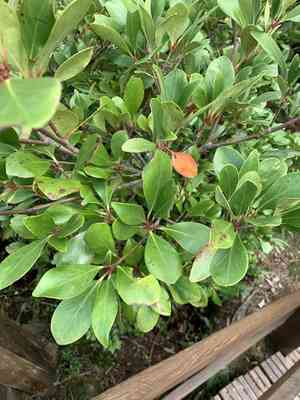
1
Japanese ternstroemia flourishes in loamy earth with a pH range from mildly acidic to neutral (6.5 to 7.5).
2
Incorporating organic material into the soil on a regular basis greatly improves its nutrient content and composition.
3
Aerating the soil and consistent mulching can avert soil compaction.
Optimal Soil Type for Japanese Ternstroemia Cultivation
Loamy Soil Composition
For cultivating Japanese ternstroemia, selecting the appropriate soil type is paramount. Loamy soil, a blend of sand, silt, and clay, is the preferred choice. This composition ensures excellent water drainage while retaining adequate moisture and essential nutrients, fostering an ideal environment for root development. Conversely, sandy soils drain too rapidly, causing nutrient loss, whereas clay soils retain excessive water, potentially suffocating roots. Loamy soil achieves the perfect equilibrium, making it suitable for most garden plants, particularly Japanese ternstroemia.
Acidity and pH Levels
Japanese ternstroemia thrives in slightly acidic to neutral soil, with a pH range of 6.5 to 7.5. This pH range facilitates nutrient absorption and supports robust root growth. You can assess your soil's pH using a home testing kit or by submitting a sample to a local agricultural extension service. If the pH is excessively low (acidic), incorporating lime can increase it. Conversely, if the pH is too high (alkaline), sulfur can be used to decrease it.
Importance of Organic Matter
Integrating organic materials such as compost, leaf mold, and well-decomposed manure into the soil is crucial for Japanese ternstroemia. Organic matter enhances soil structure, boosts nutrient content, and improves water retention capacity. It is advisable to mix 3 to 4 inches (7.6 to 10.2 cm) of organic matter into the top 6 to 8 inches (15.2 to 20.3 cm) of your soil prior to planting. This practice not only supplies necessary plant nutrients but also encourages beneficial microbial activity, which aids in the breakdown of organic compounds, thereby releasing nutrients.
Preparing Soil for Japanese Ternstroemia Planting
Soil Testing and Amendments
Prior to planting Japanese ternstroemia, performing a soil test is an essential step. This test helps ascertain the soil's pH and nutrient concentrations. Once results are obtained, you can implement necessary modifications to optimize soil conditions. Use lime to decrease acidity or sulfur to increase it, depending on your pH requirements. Furthermore, adding balanced fertilizers can rectify nutrient deficiencies identified during the soil analysis.
Mixing and Aerating the Soil
Thorough mixing and aeration are integral to proper soil preparation. Utilize a garden fork or tiller to loosen compacted soil and incorporate any amendments and organic matter. Aerating the soil prevents compaction, promoting better root penetration and enhancing the soil's capacity to hold moisture and nutrients. The objective is to achieve a loose, well-draining mixture that provides an optimal growing medium for the roots.
Ensuring Adequate Drainage
Effective drainage is vital for Japanese ternstroemia. Poorly drained soil can lead to waterlogged conditions, which may suffocate roots and cause root rot. To ensure proper drainage, especially in heavy clay soils, you can add sand or fine gravel to improve soil structure. Additionally, consider establishing raised beds or planting on slopes to facilitate better water runoff. Applying mulch around the plant also helps by retaining moisture while preventing water accumulation near the roots.
Maintaining Soil Health for Japanese Ternstroemia
Regular Soil Testing
Consistent soil testing is a key element in preserving soil health. Annual soil analyses help monitor pH and nutrient levels, enabling timely adjustments. By tracking alterations in soil composition, you can apply necessary amendments, thereby ensuring that your Japanese ternstroemia consistently experiences optimal growing conditions.
Fertilization Schedules
A well-structured fertilization regimen is crucial for sustaining healthy soil and vigorous plant growth. For Japanese ternstroemia, apply a balanced slow-release fertilizer in early spring. Supplement with compost or liquid fertilizers during the growing season to provide a continuous supply of nutrients. Avoid excessive fertilization, as this can result in nutrient runoff and harm the plant.
Benefits of Mulching
Mulching plays a significant role in maintaining soil health. By applying a 2 to 3-inch (5 to 7.6 cm) layer of organic mulch around the base of Japanese ternstroemia, you can help conserve soil moisture, suppress weed growth, and regulate soil temperature. Mulch also gradually decomposes, returning organic matter to the soil, thereby enhancing its structure and fertility over time.
Common Soil Issues and Solutions for Japanese Ternstroemia
Addressing Soil Compaction
Soil compaction can pose a significant problem, impeding root growth and reducing oxygen availability. To alleviate compaction, regularly aerate the soil by breaking it up with a garden fork or aerator. Incorporating organic matter can also help improve soil structure, making it less susceptible to compaction.
Resolving Nutrient Deficiencies
If your Japanese ternstroemia displays symptoms of nutrient deficiencies, such as yellowing leaves or stunted development, prompt action is essential. Conduct a soil test to pinpoint any missing nutrients and apply the appropriate fertilizers. Balanced fertilizers or specific nutrient-rich composts can effectively correct deficiencies and promote healthy growth.
Preventing Soil Erosion
Soil erosion can strip away topsoil and vital nutrients, negatively impacting your Japanese ternstroemia. To prevent erosion, maintain ground cover around plants using mulch or cover crops. Additionally, planting on slopes can be stabilized by employing terracing techniques or creating barriers to reduce water runoff and soil displacement.



