Optimal Soil for Growing Common comfrey: What You Need to Know
1
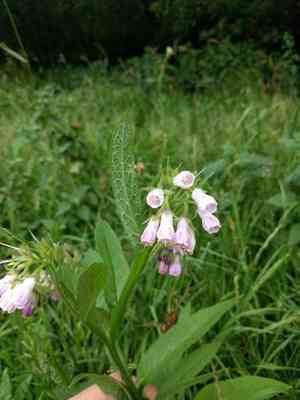
Common comfrey flourishes optimally in soil with a pH ranging from 6.5 to 7.5.
2
Adequate drainage in your garden plot prevents root decay and other moisture-related problems.
3
Loamy soil, a blend of sand, silt, and clay, is perfect for fostering robust Common comfrey development.
What Soil pH is Ideal for Common comfrey?
Optimal pH Range
To ensure your Common comfrey thrives, understanding its preferred soil pH is key. The best pH for Common comfrey is between 6.5 and 7.5. This slightly acidic to neutral range helps the plant absorb vital nutrients efficiently, promoting strong growth and healthy leaves. Cultivating Common comfrey in soil within this pH range can boost its overall vitality.
Testing Soil pH
Checking your soil's pH is straightforward and essential. You can buy an affordable soil pH test kit from most garden centers or online. Alternatively, digital pH meters offer quicker, more precise readings. To test, simply collect a soil sample from your garden, follow the kit's instructions, and compare results to the ideal pH range.
Adjusting Soil PH
If your soil pH isn't in the perfect range, don't worry. You can modify it by adding specific soil amendments. To increase soil pH, mix lime (calcium carbonate) into the soil. Conversely, to decrease pH, sulfur or aluminum sulfate can be incorporated. Always re-test your soil after any adjustments to confirm the desired pH level has been reached.
How to Ensure Proper Drainage for Common comfrey?
Importance of Good Drainage
Effective drainage is crucial for Common comfrey, as it prevents water from pooling around the plant's roots, which can lead to root rot and other diseases. By maintaining well-draining soil, you ensure excess water can escape, allowing roots to access the air necessary for healthy development.
Improving Soil Drainage
To enhance soil drainage, you can take several actions. Adding organic matter like compost or aged manure helps create space within the soil structure, allowing water to flow more freely. Additionally, incorporating sand or perlite can further boost drainage. Raised garden beds are another effective method for improving drainage, especially in areas prone to heavy rainfall.
Signs of Poor Drainage
It's important to recognize indicators of inadequate drainage to address problems quickly. Symptoms include perpetually wet soil long after watering or rain, wilting plants despite sufficient moisture, and a foul smell from the soil suggesting anaerobic conditions. If you observe these signs, consider improving drainage immediately to prevent harm to your Common comfrey plants.
What Type of Soil is Best for Common comfrey?
Soil Texture and Composition
The soil's texture and makeup greatly influence Common comfrey's growth. Loamy soil, which provides a balanced blend of sand, silt, and clay, is optimal. This soil type offers good aeration and retains enough moisture to support the plant without causing waterlogging.
Organic Matter and Fertility
Adding organic matter boosts soil fertility and promotes vigorous plant growth. Compost, leaf mold, or well-rotted manure enrich the soil with nutrients, improving its structure and water-holding capacity. Regularly amending your soil with organic matter ensures your Common comfrey receives all necessary nutrients.
Loamy Soil Benefits
Loamy soil is highly advantageous for Common comfrey because it maintains consistent moisture levels and supports strong root development. Its ideal balance between drainage and moisture retention makes it perfect for various plants, including Common comfrey. If your soil isn't naturally loamy, consider supplementing it with compost or peat moss to achieve a similar effect.
Nutrient Requirements for Common comfrey
Essential Nutrients
Common comfrey needs several vital nutrients for optimal growth, including nitrogen (N), phosphorus (P), and potassium (K). These nutrients encourage lush foliage, robust roots, and abundant blooms. A soil test can help identify any nutrient deficiencies that may need correction.
Fertilizer Options
Selecting the appropriate fertilizer is crucial for maintaining soil fertility. Organic choices like compost, fish emulsion, and manure tea provide a balanced nutrient mix. For more specific results, you can also use a well-balanced commercial fertilizer with an even N-P-K ratio. Apply fertilizers according to package directions to prevent nutrient excess.
Avoiding Over-Fertilization
While fertilization is beneficial, excessive fertilization can cause more harm than good. Signs of over-fertilization include scorched leaves, a wilted appearance, and stunted development. It's better to apply smaller amounts of fertilizer more often, rather than large quantities at once. Always adhere to the recommended guidelines for any fertilizers you use.
How to Mulch Common comfrey for Soil Health?
Benefits of Mulching
Mulching offers numerous advantages for Common comfrey. It helps retain soil moisture, suppresses weed growth, and stabilizes soil temperature. Additionally, as organic mulches break down, they enrich the soil with essential nutrients, promoting healthy plant development.
Types of Mulch
Several types of mulch can be utilized for Common comfrey. Organic mulches, such as straw, hay, wood chips, and compost, are excellent choices. Inorganic options like gravel and landscape fabric can also be effective but do not provide the same nutrient benefits as organic mulches.
Application Tips
When applying mulch, ensure a layer 5-7 cm (2-3 inches) thick around the plant's base, but avoid direct contact with the stem to prevent rot. Replenish the mulch layer as needed, especially after heavy rains or strong winds. Whether you're using organic or inorganic mulch, proper application ensures your Common comfrey receives the full benefits.



